Why a familiar face can change without notice
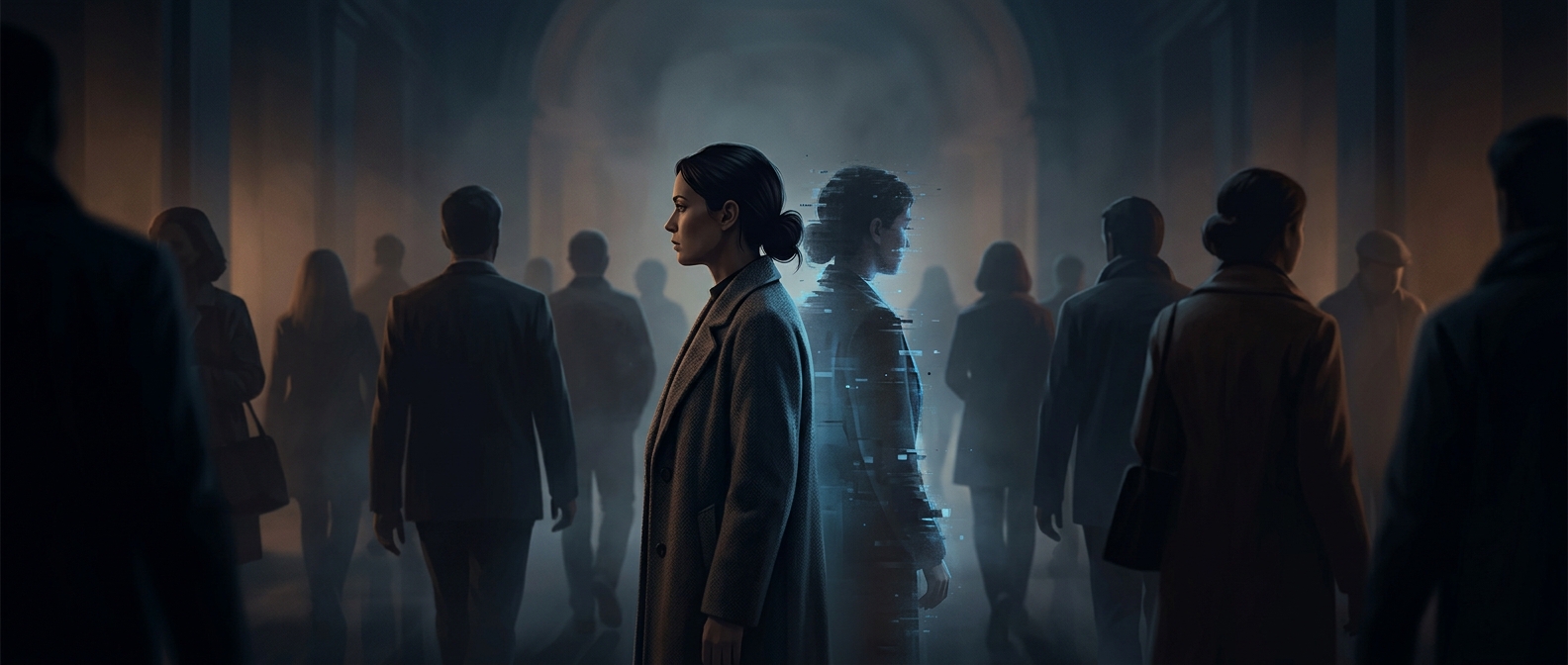
Your brain does not inspect every face in a scene equally. Once you expect a particular person to stay put, you treat their presence as part of the scene’s background and devote attention to what seems more important: the conversation, a task, or the next event. If someone takes that person’s place, the change may not receive enough focused attention to register as a change in identity.
Seeing is not the same as noticing
The eyes can take in a new face without your conscious awareness comparing it with the person you expected. That comparison requires attention: you have to notice the face, hold the previous identity in mind, and detect the mismatch. When your focus is elsewhere, the brain may register the broad scene—someone is still standing there—without flagging that the person is different.
This is one form of change blindness, the difficulty of noticing a change when attention is occupied or the change is interrupted. It is not evidence that the eyes failed to see anything; the missing step is often conscious detection.
Expectations shape what gets checked
Expectations make perception more efficient. If a scene appears stable, repeatedly verifying every face would consume attention that could be used to follow the conversation or act on what is happening. The tradeoff is that a change can slip through when it occurs outside the focus of attention, especially if the newcomer fills the same role or position.
That is why a person can seem to vanish from awareness even though the scene never looked empty: your mind may have preserved the expectation of who belonged there instead of checking who was actually there.