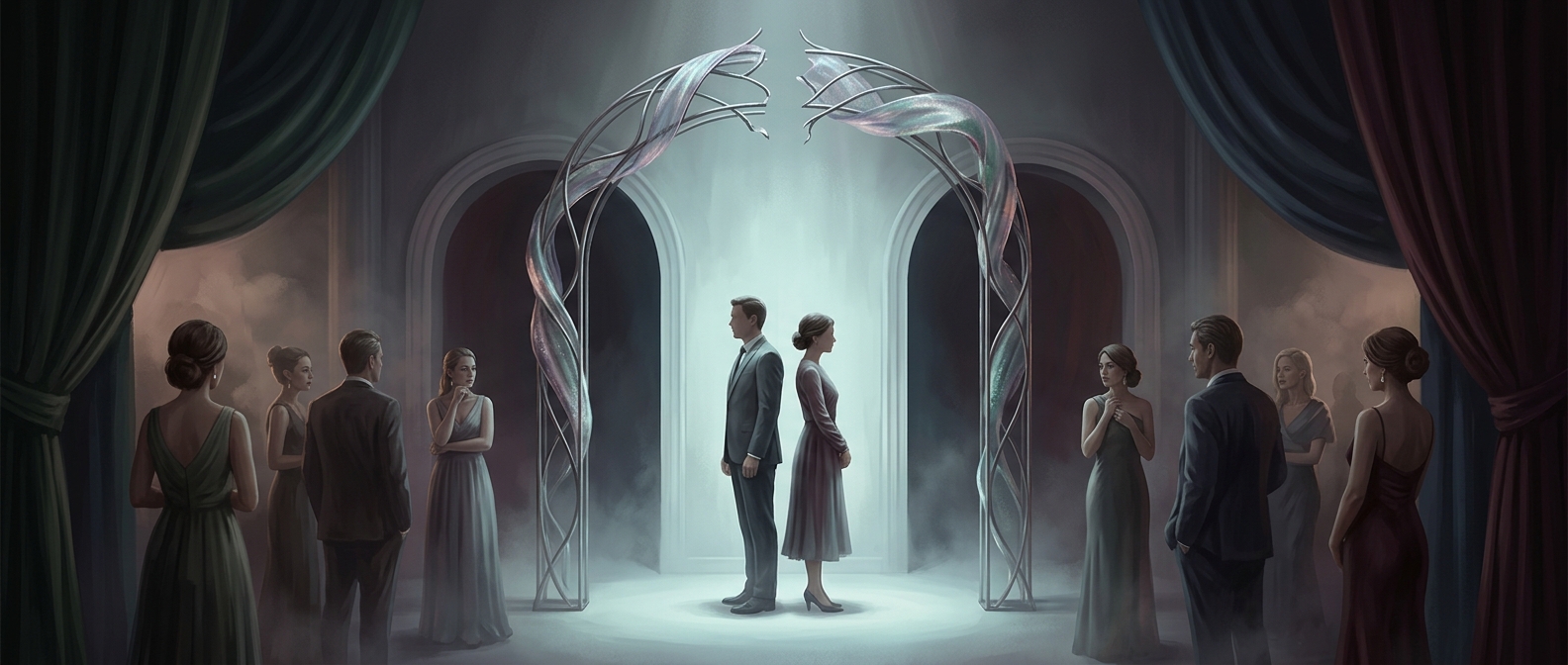
Why a breakup can call for a ritual
Marriage is more than a private relationship: it can shape routines, social roles, future plans, and the way someone describes themself. When it ends, those parts may not change all at once. A person can be legally divorced yet still feel caught between the life they had and the one they are trying to build.
A gathering gives that transition a visible moment. In psychology, rituals are repeated or deliberately staged actions that help people mark change and make it feel real. A divorce party uses an ordinary social event—a meal, a toast, a cake—to say: this chapter has ended, and other people recognize that I am still here.
The audience changes the meaning
The party’s most important effect may be social rather than celebratory. Friends can offer company at a time when someone might otherwise withdraw, and their presence can affirm that the person remains part of a community apart from the marriage. That matters because divorce can disrupt not only a partnership but also shared friendships and familiar routines.
Turning the occasion into a gathering can also shift the story someone tells about the ending. Instead of framing it only as a private failure, the person can treat it as a difficult change they are allowed to acknowledge. That does not mean they must feel happy, or that the hurt disappears. Celebration and grief can coexist.
A marker, not a cure
The point is not to declare that divorce is good or to perform confidence for an audience. A party is one possible way to make an uncertain transition tangible: people show up, the event happens, and the next day begins. Its meaning depends on the person and their circumstances; some may prefer quiet or privacy.
At its most useful, the gathering marks a boundary without pretending the past did not matter. The cake is temporary, but the act of naming the change can help make room for an identity no longer organized around being married.