How a Crowd Can Turn Uncertainty Into Inaction
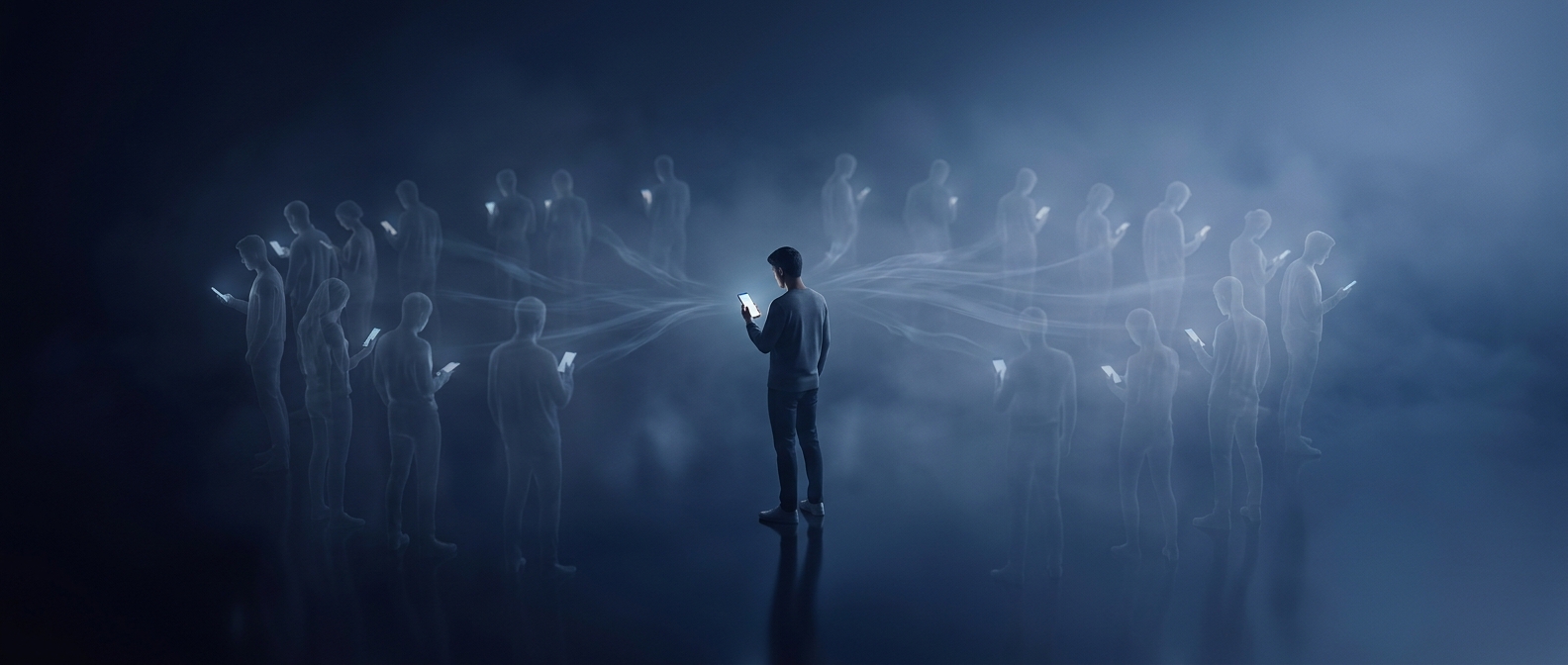
When an emergency is unclear, people often use nearby strangers as a kind of informal warning system. A loud bang, a strange smell, or a sudden pause may have several explanations. Before acting, someone glances around: Are others alarmed? Are they moving?
The trouble is that everyone else may be making the same calculation. If each person sees still faces and no obvious panic, that calm can look like evidence that nothing is wrong—even when the others are equally unsure. Psychologists call this pluralistic ignorance: people privately suspect there may be a problem but mistakenly assume the group does not.
Why Waiting Feels Safer
Crowds also spread responsibility. In a room full of people, each person may expect someone closer, more confident, or better informed to act first. That can make waiting feel reasonable: if the danger were real, surely somebody would have moved by now.
But the apparent agreement is misleading. A person who stays put may not feel calm at all; they may simply be watching everyone else. The result is a feedback loop: hesitation looks like reassurance, and reassurance encourages more hesitation.
One Clear Action Can Change the Reading
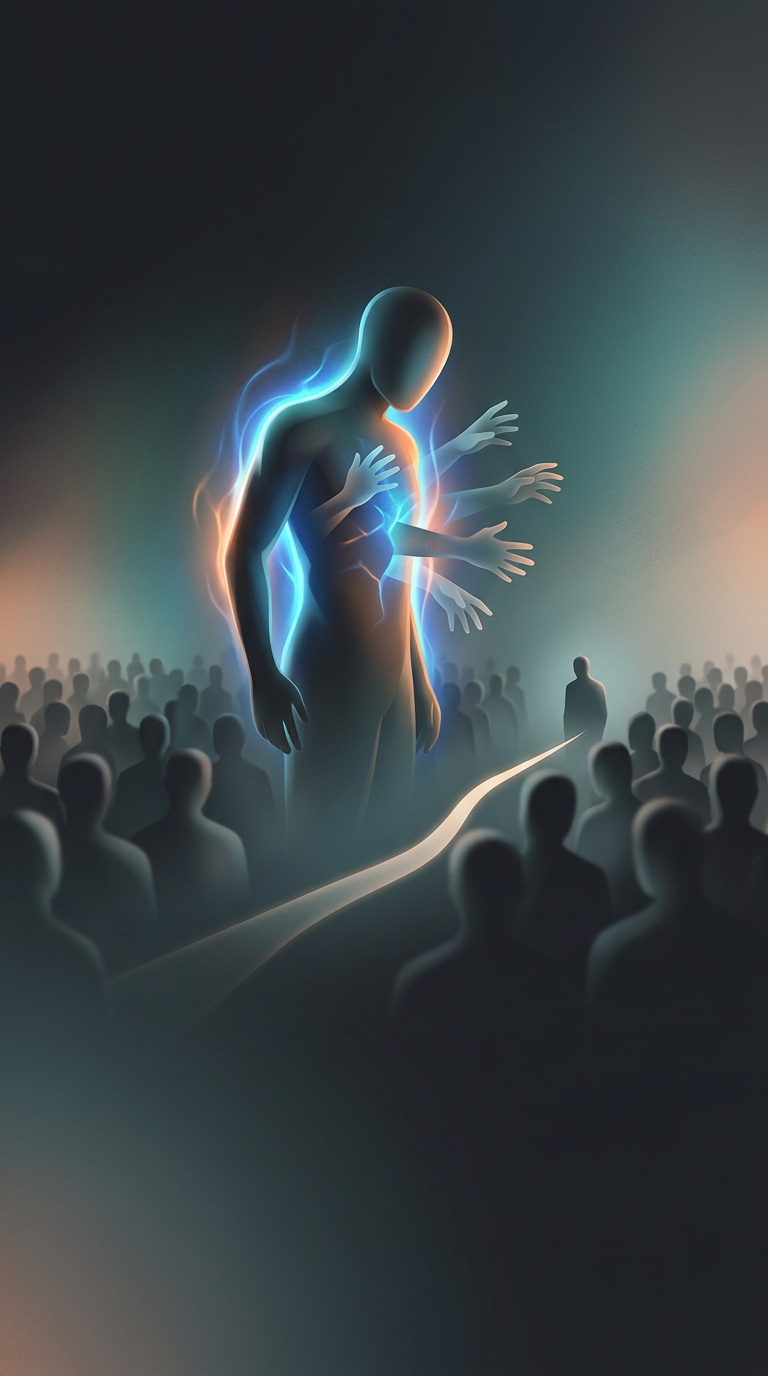
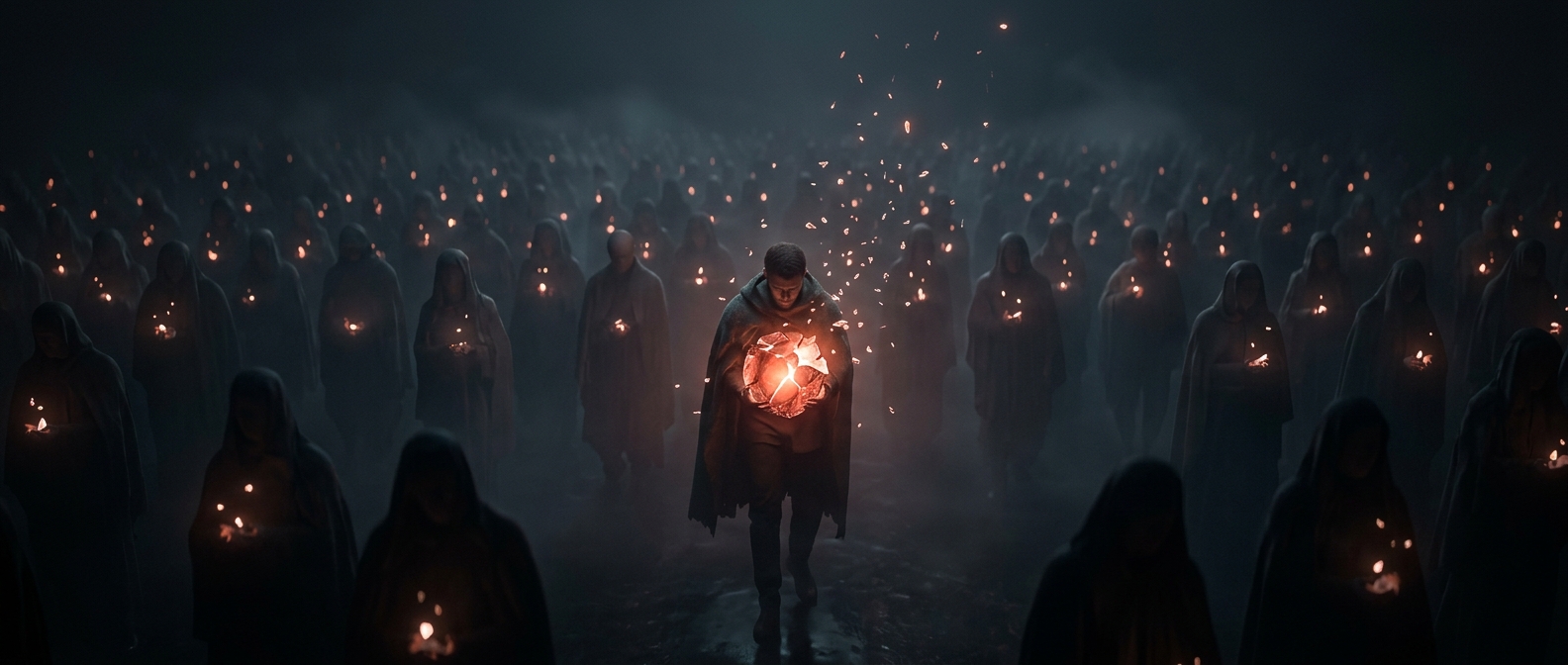
A person who names the danger or takes a visible step—such as moving toward an exit—gives others a new cue to interpret. Their action can make the risk seem more credible and make it easier for someone else to follow. That does not mean a crowd will always freeze, or that one person can guarantee a safe response. It means that, in an ambiguous moment, what people do can communicate as strongly as what they say.
That is why a clear warning and a specific action can matter more than a roomful of silent, uncertain faces.