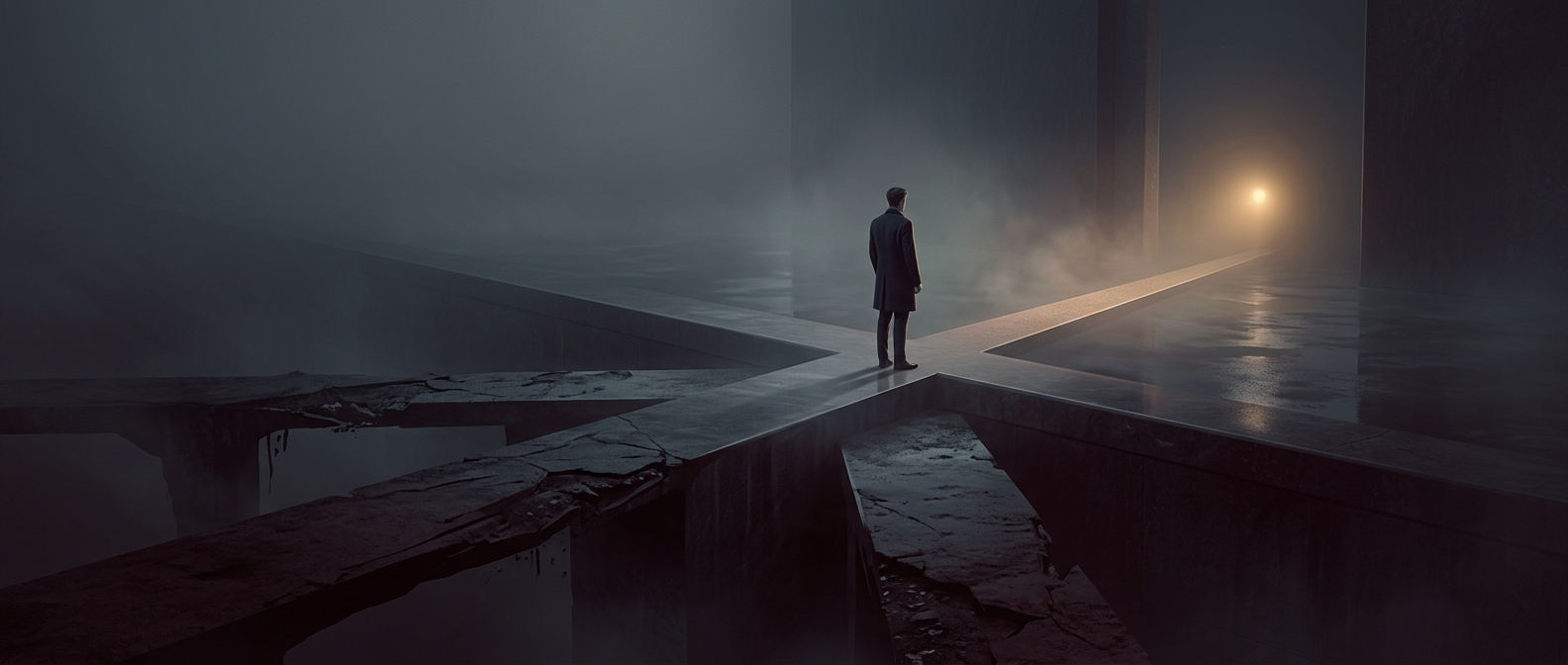
Why inaction can feel safer than a choice
Choosing means taking responsibility for one path while letting the others go. Before acting, you can picture a bad outcome and wonder whether another option would have worked better. Psychologists call this anticipated regret: the discomfort we expect to feel if a decision turns out poorly—or if a rejected alternative later looks appealing.
That expectation can make even a small decision feel consequential. The mind is not comparing only the options; it is also rehearsing possible mistakes and imagining how blame might feel. Delaying a choice offers short-term relief because it postpones that mental work.
The comfort—and cost—of the default
Inaction can seem less risky because its consequences are less visible. If you choose a plan and it fails, the link between your decision and the result is easy to see. If you wait, the outcome may feel as though it simply happened. Yet waiting still shapes what comes next: an opportunity may pass, a deadline may decide for you, or the existing arrangement may continue.
This is why defaults have power. When people do not actively choose, the current setting often remains in place—not because it is necessarily best, but because changing it requires effort and makes the person feel more accountable for the result.
Making a decision easier to carry
A useful way to reduce the burden is to define what matters before comparing every possibility. For example, someone choosing a job might first decide that reliable hours matter more than a prestigious title. That standard narrows the comparison and gives the eventual choice a reason beyond “I hope this works.”
No method can remove uncertainty. But a decision tied to a clear priority is easier to explain—and easier to live with—than an open-ended search for the option that cannot disappoint. Otherwise, the deadline, the default, or another person may make the consequential choice instead.