Why the Slower Line Sticks in Your Mind
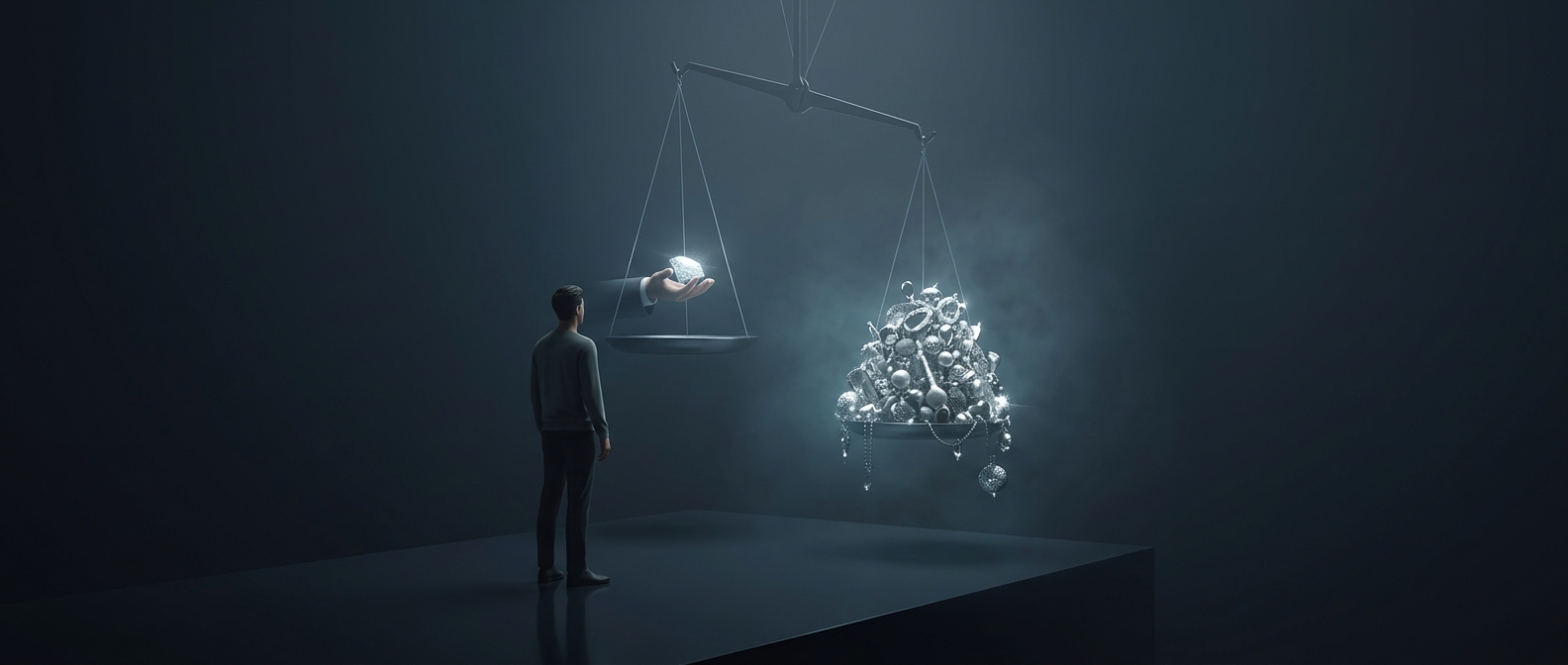
You pick the shorter queue, then watch another line move faster. The mismatch is irritating not only because it costs time, but because it makes your choice look mistaken. When the line you chose moves quickly, that success may feel ordinary; when it stalls, the frustration demands attention. This is negativity bias: the tendency for unpleasant experiences to have more psychological weight than comparable pleasant ones.
How the Bias Shapes the Memory
A grocery line is a small, uncertain decision. You cannot know exactly how many items are in each cart, whether a payment will fail, or how quickly the cashier will work. Afterward, your mind compares the outcome with the alternative you can see. If the other line surges ahead, the lost time becomes vivid, while the times your choice worked out may pass without much notice.
That imbalance can make a few bad outcomes feel like a pattern. It does not mean every line you choose is slower, or that your brain changes how quickly the queues move. It changes how strongly you register the disappointment and how readily you recall it the next time you choose.
Why It Feels Like a Bad Run
The effect can make chance seem personal: “I always pick the wrong line.” But each queue is shaped by shifting details, and a brief burst of movement can reverse the apparent advantage. The mind is better at keeping score of the irritating losses than the unremarkable wins.
Next time another line pulls ahead, the feeling is real—but it is not reliable evidence that your choices are cursed. The line may simply be moving faster right now, while the missed time is getting extra room in your memory.