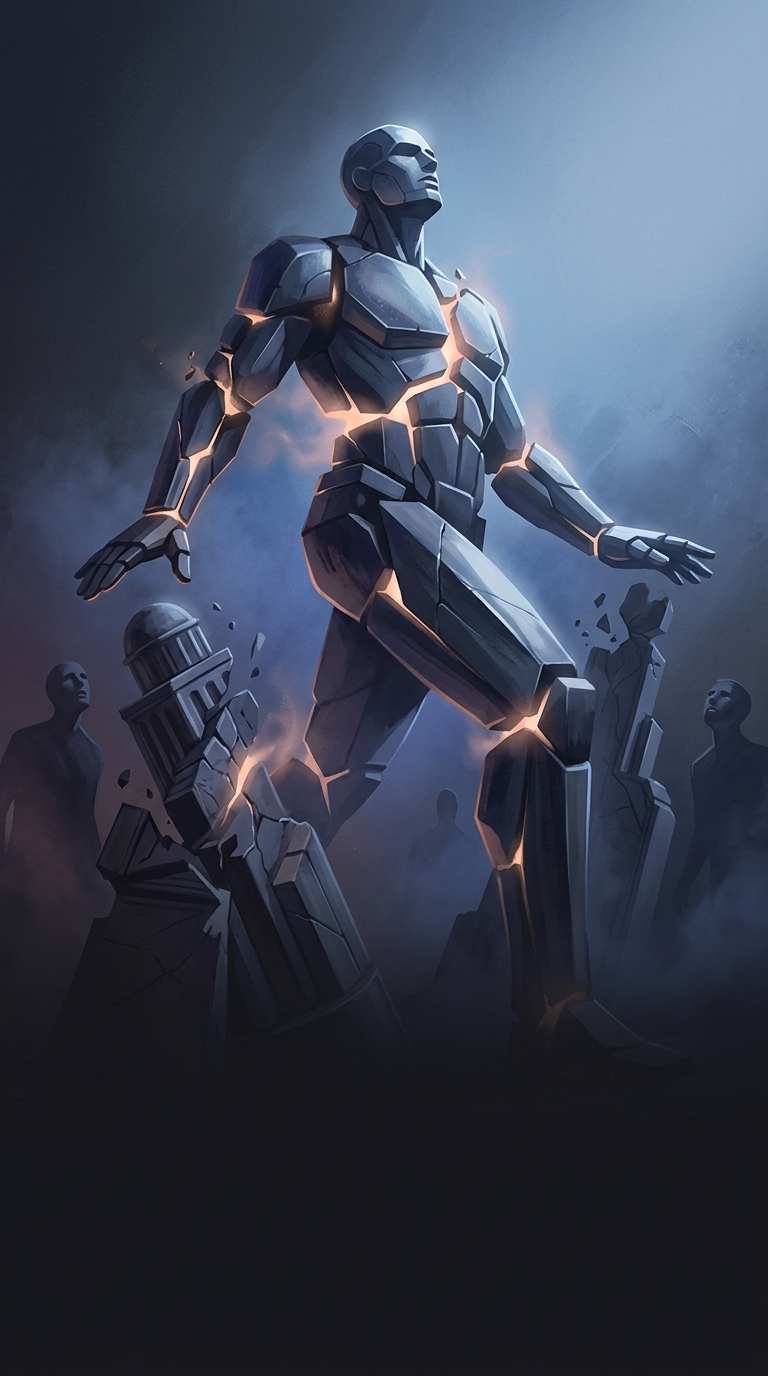
Why One Bad Moment Can Take Over the Memory
A disappointing detail can outweigh several ordinary successes because attention is not distributed evenly. When something goes wrong—a meal arrives cold, or a staff member snaps—your mind treats the mismatch as information worth investigating. Was it a mistake? Could it happen again? That quick search for an explanation pulls attention toward the problem and away from what is working.
The Surprise Makes It Stick
The effect is strongest when an experience violates an expectation. A cold dish is more noticeable if you expected a hot one; a brusque exchange stands out more in a setting where you anticipated warmth. The contrast makes the flaw easier to recall later. By comparison, smooth service or a comfortable room may feel less memorable precisely because they match what you assumed would happen.
This does not mean every negative detail outweighs everything else. Its influence depends on how serious it seems, how unexpected it is, and whether anything afterward changes its meaning. A quick apology or a replacement meal can turn a failure into a problem that was recognized and repaired. Without that response, the original mistake may remain the clearest evidence you have about the experience.
What the Mind Uses as a Shortcut
When people judge an event afterward, they often rely on the moments that are easiest to remember rather than mentally replaying every part. A vivid failure can therefore become a shorthand for the whole visit, even if much of it went well. The practical consequence is that fixing a conspicuous flaw—and showing that it has been fixed—can matter more to someone’s overall impression than adding another small perk.