Why a Purchase Can Feel Right at Night and Wrong in the Morning
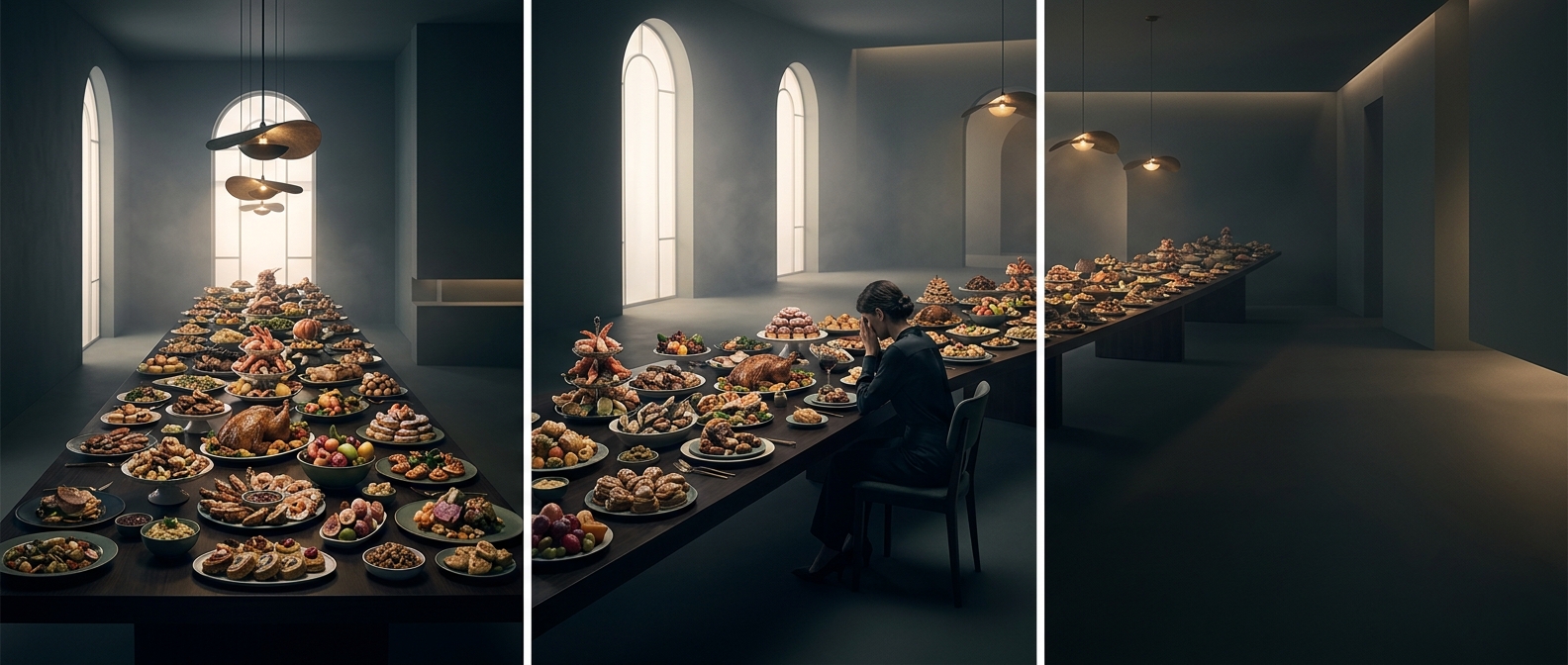
A tired, restless person is not simply thinking less clearly; the situation can change which needs feel most important. At night, a small burst of comfort, novelty, or relief may loom large. The imagined benefit of buying something is immediate, while its cost—less money, clutter, or a return to arrange—feels distant. In daylight, those priorities can reverse.
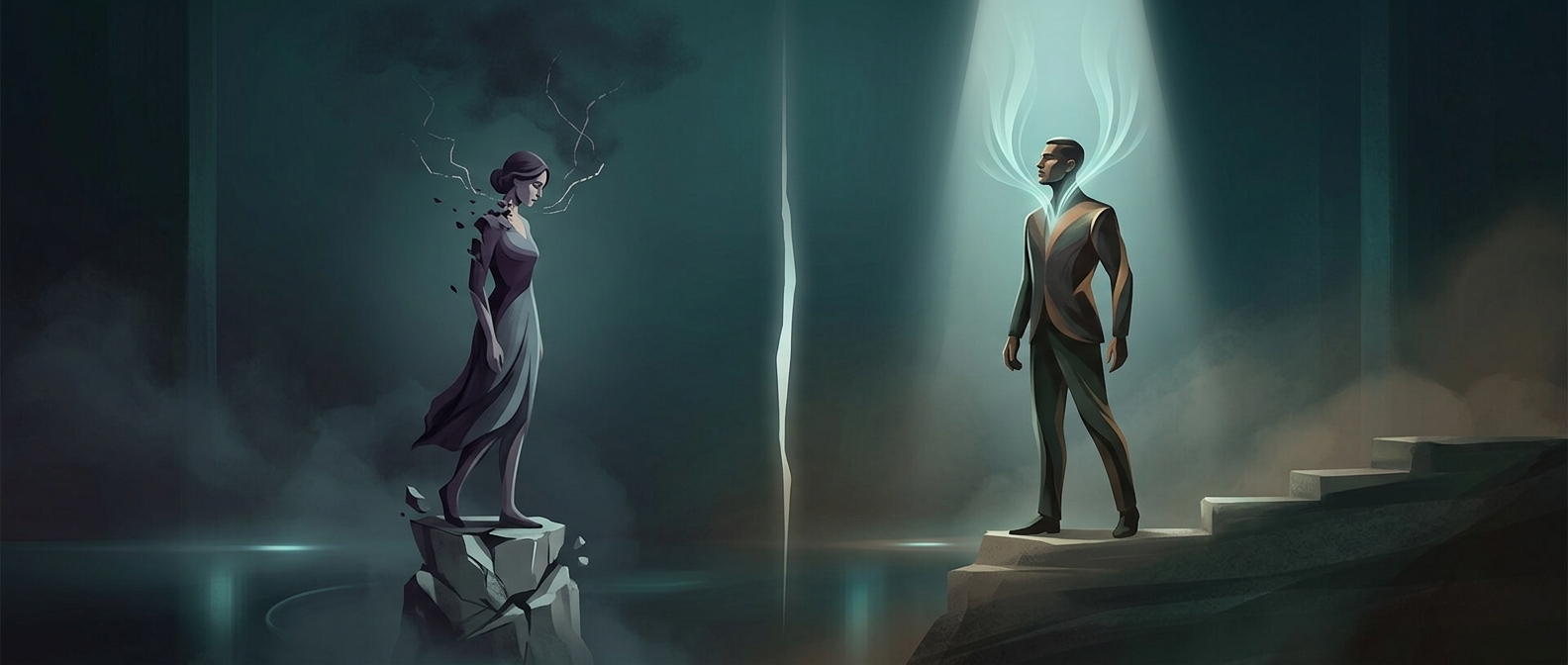
Psychologists call this a hot-cold empathy gap: when people are in one state, they have trouble predicting how a different state will shape their feelings and choices. “Hot” states include strong emotion, craving, stress, or physical discomfort. “Cold” states are calmer and less driven by an immediate urge. Neither self has the whole picture; each tends to treat its current priorities as more stable than they are.
Why the Gap Leads to Regret
The late-night shopper may sincerely believe the purchase will solve a problem: make tomorrow easier, provide a deserved treat, or remove an irritation. That confidence comes from judging the future from inside the present urge. The calmer person later may remember the price and practical drawbacks but struggle to recall how compelling the item felt at the time.
This mismatch can happen in both directions. Someone who feels calm may underestimate how persuasive a craving or stressful moment will be, just as someone caught up in the urge may underestimate how little it will matter later. The result is not necessarily carelessness or dishonesty; it is a forecasting error about one’s own changing state.
Put a Pause Between Urge and Checkout
A simple safeguard is to let the decision survive a change in state. Save the item for the morning, remove saved payment details, or set a waiting period for purchases that are not urgent. These steps do not assume the desire is foolish. They give the calmer self a chance to assess the same choice—and let the late-night self make its case without an instant checkout button turning the urge into a commitment.