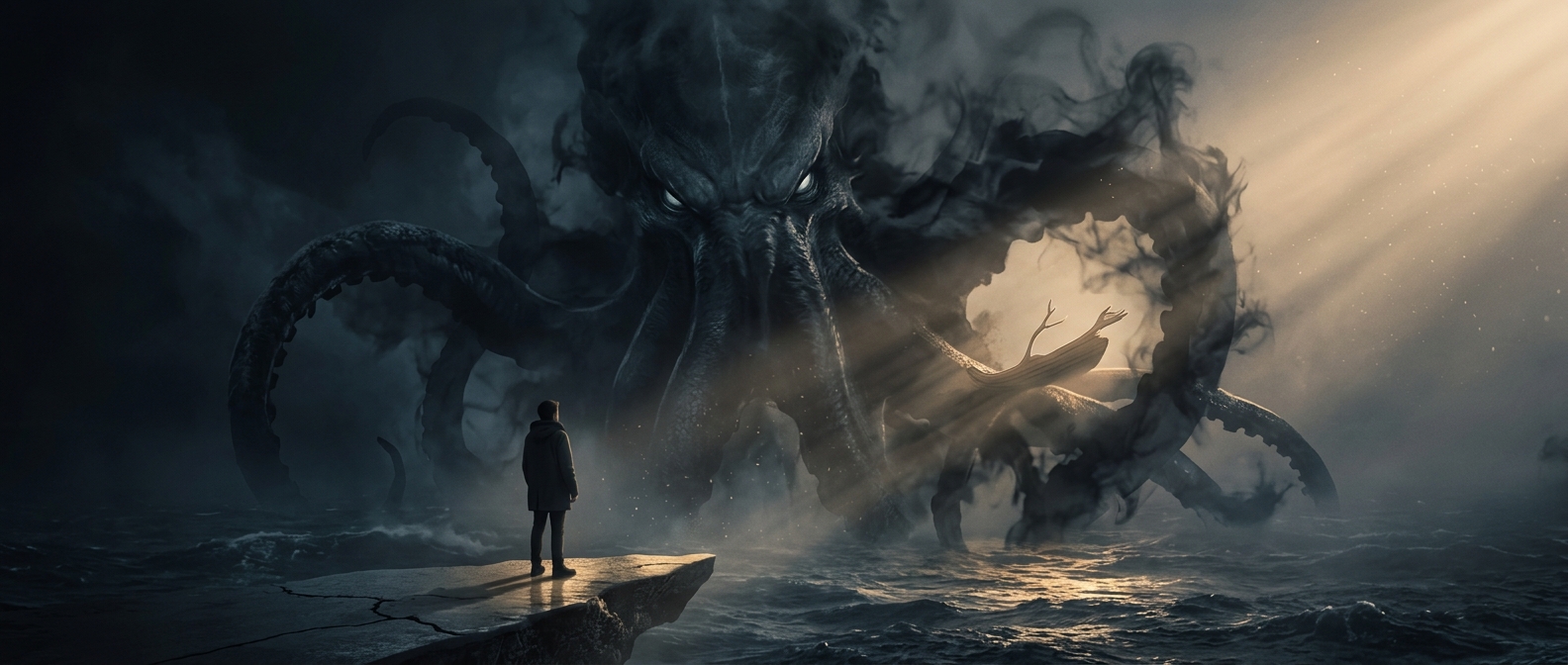
Why a vivid danger can feel probable
Anxiety changes what the mind samples when it tries to predict what comes next. It directs attention toward possible threats: a symptom that might signal illness, a mistake that could cost a job, or a message that might bring bad news. Once noticed, each possibility can trigger more questions and mental rehearsal. The imagined outcome becomes easier to picture—and therefore can seem more likely than it did before.
This is not the same as consciously deciding that a danger is certain. It is a shift in the evidence that feels most available. A quiet, ordinary outcome may be harder to call to mind because it offers little drama and receives less attention. Meanwhile, the frightening scenario gets replayed, making it feel familiar and immediate. The mind can mistake that vividness for a clue about probability.
Rehearsal is not a forecast
A useful distinction is between how bad an outcome would be and how likely it is to happen. Anxiety tends to keep the first question in the foreground. Mentally running through a disaster can help someone feel prepared, but repetition alone does not make the event more probable. Nor does feeling alarmed establish that danger is present; the feeling signals concern, not a verified prediction.
In practice, it can help to name the feared outcome, then ask what evidence bears on its likelihood—not just how easily it comes to mind. Consider what has actually happened, what ordinary explanations fit, and what information would change the estimate. This does not require dismissing risk. It separates a vivid possibility from a reasoned forecast, leaving room for the uneventful outcome that anxiety’s search for danger can push out of view.