The pull of an evening that hasn’t happened
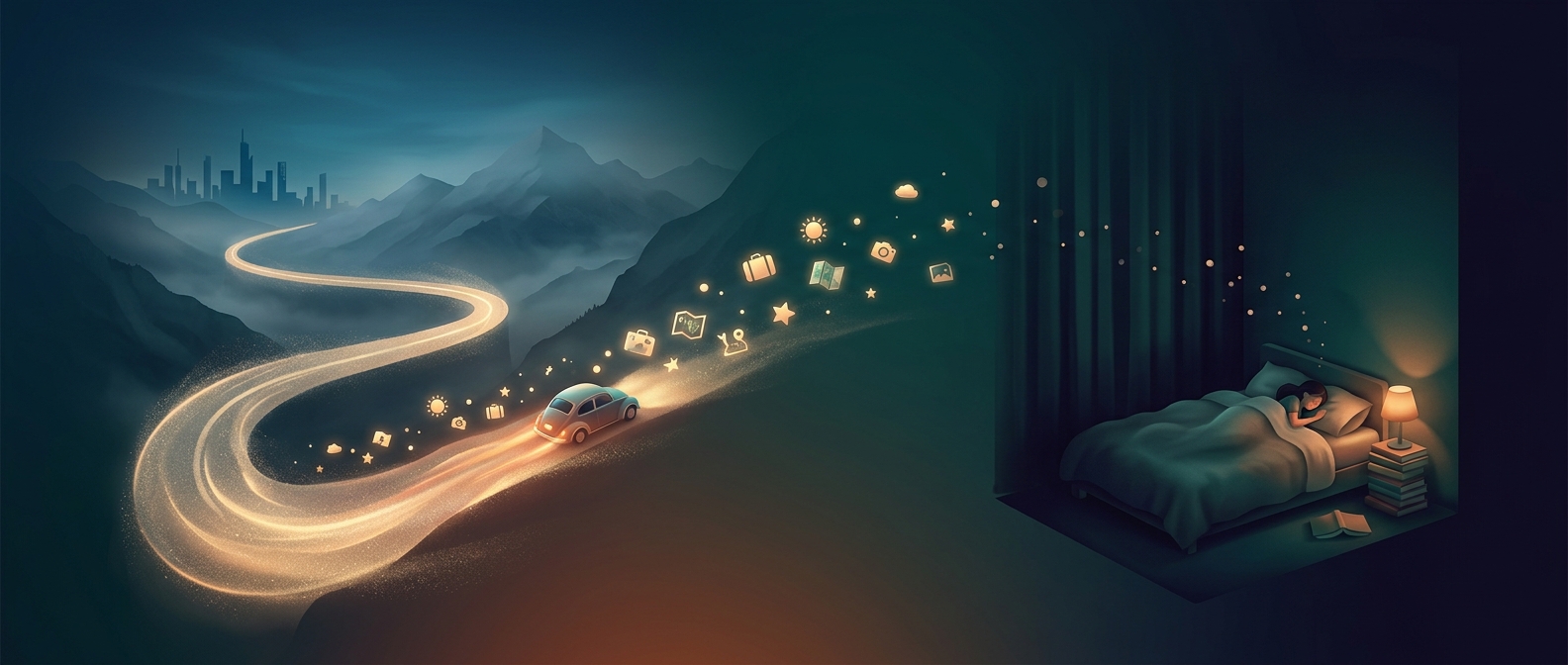
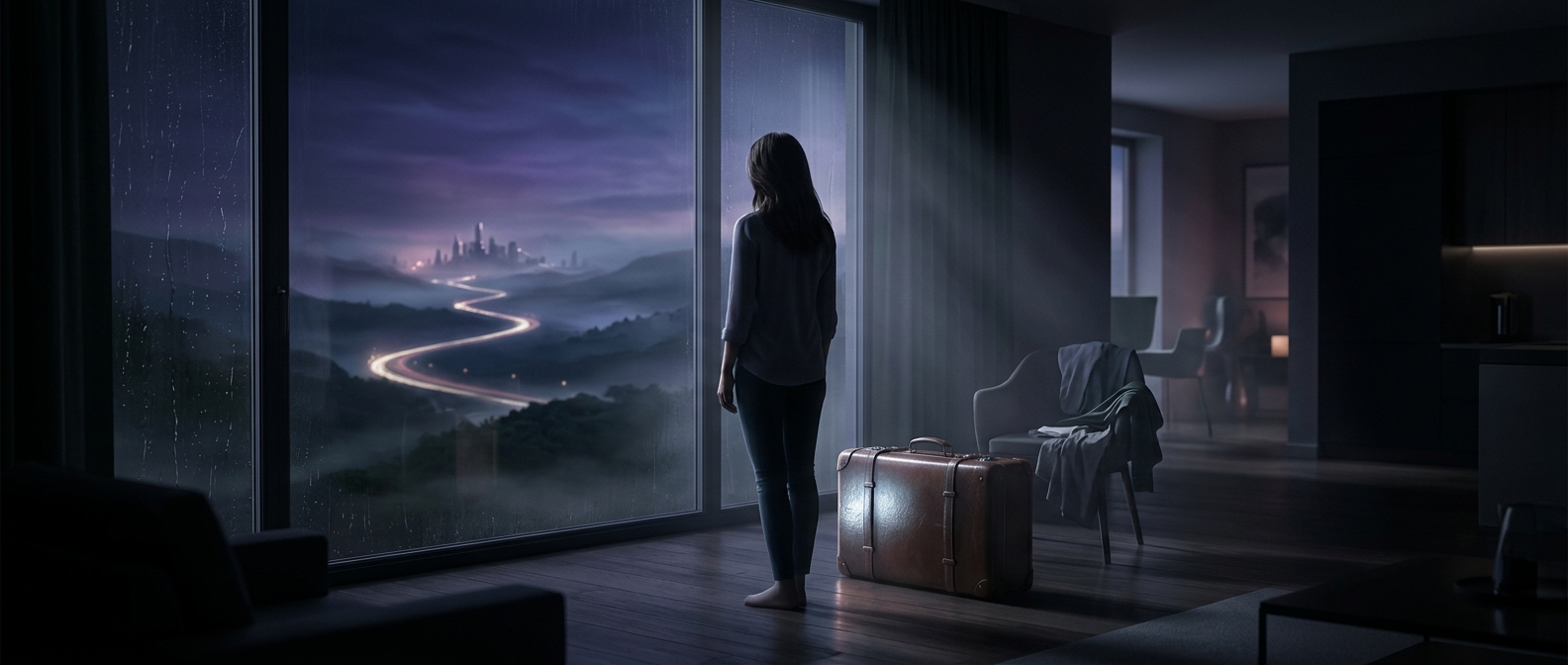
An open-ended night out offers something home usually cannot: uncertainty. There might be a funny conversation, a new place, or an unexpected invitation. Because none of those possibilities has been ruled out yet, the mind can keep improving the imagined version of the evening. The couch, by contrast, is already visible and familiar.
That comparison is lopsided. You are weighing a real, ordinary evening at home against a highlight reel assembled from possibilities—not against the likely, imperfect night you would actually have.
Why “maybe” can outweigh “enough”
Possible rewards can hold attention precisely because they are unresolved. While deciding, you may picture the best plausible outcome without equally picturing the waiting, travel, expense, or possibility that the outing is merely fine. The option to go can therefore feel valuable even when you do not especially want any particular destination or activity.
This is not necessarily a sign that staying in is the wrong choice. It is a feature of the decision: one option has a vivid imagined upside, while the other’s benefits—rest, comfort, time, or a quiet conversation—are less dramatic and already familiar.
Make the comparison fairer
A useful question is not just “What could happen if I go?” but “What is likely to happen, and what would I give up to find out?” It can also help to name what you actually want from the night: company, novelty, movement, or simply the feeling that something might happen. Sometimes a small plan at home can meet that need; sometimes going out is worth the tradeoff.
The important distinction is between wanting the experience and wanting to keep its imagined possibilities alive. Once the choice is made, the unchosen night can no longer compete as an endlessly editable fantasy.