Why a zero price changes the choice
A small price is not just a smaller version of a large one. It creates a moment of comparison: Is this item worth the money, and what else could I do with it? At zero, that calculation often feels different. There is no payment to justify and no sense of having lost even a little cash, so the option can seem unusually attractive.
Psychologists call this zero-price effect: people may favor something free more than its practical value alone would predict. The pull is especially strong when the alternative is cheap, because the extra benefit of choosing the paid option can feel abstract while its price is immediate.
The hidden cost of paying
Imagine choosing between a free sample and a slightly better one that costs a small amount. The paid version may offer more, but choosing it requires spending money and accepting the possibility that the upgrade was not worth it. The free version removes that risk of regret: there is no bill to reconsider afterward.
This does not mean people always ignore value. Rather, the price changes what stands out. With a paid option, attention goes to the tradeoff between benefit and cost. With a free one, the cost side disappears, making the choice feel simpler and safer. That can outweigh a modest improvement in quality or quantity.
Why it matters in everyday choices
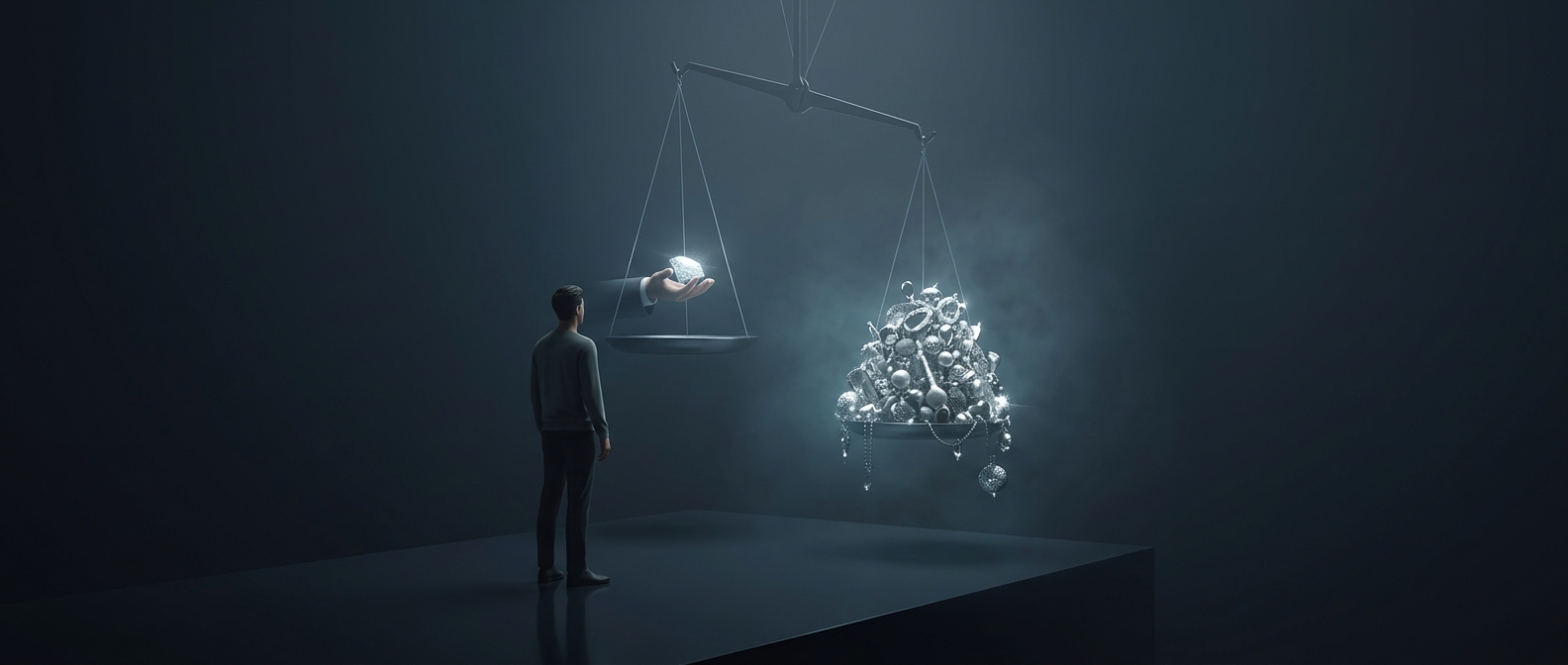
The effect helps explain why a free add-on can attract more interest than a discount, even when the discount is a better deal overall. It also shows why “free” is not merely a price of zero in people’s minds: it can feel like an opportunity with no downside.
When comparing offers, translating each one into what you actually receive for what you give up can restore the comparison that the word free tends to hide. A zero price removes the payment, but it does not automatically make the free option the more valuable one.