Why a named bystander is more likely to help
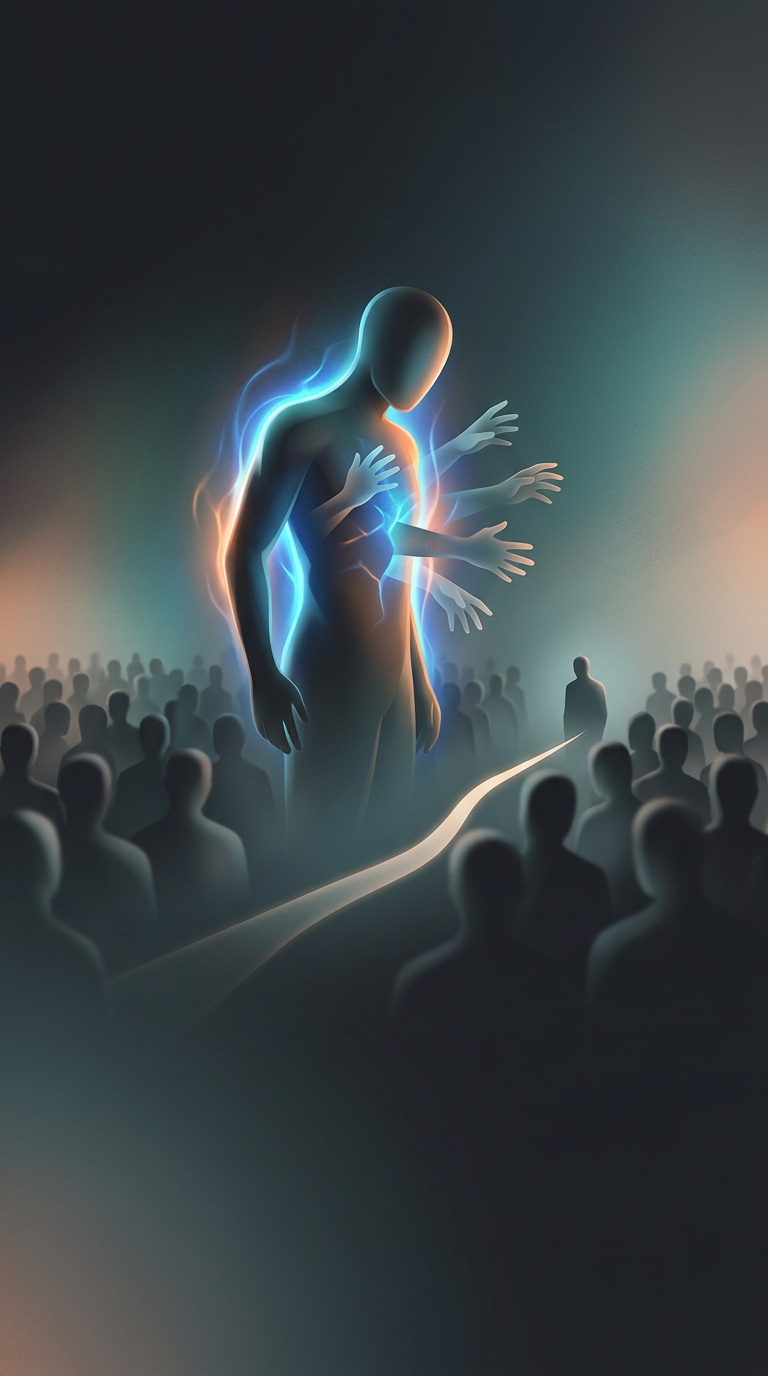
A shout of “Somebody call 911!” gives every person the same vague assignment—and lets each assume someone else will act. In a crowd, people also look to one another for clues. If nobody moves, that stillness can make the emergency seem uncertain, even when it is real. Psychologists call part of this diffusion of responsibility: the more potential helpers there are, the less personally responsible each may feel.
Pointing at one person changes the decision. “You in the blue jacket—call 911” gives someone a clear task and makes it apparent that the request is meant for them. They no longer have to guess whether another bystander has taken charge. A different person can be told to get an AED, or automated external defibrillator, if one is available.
A clear assignment reduces hesitation
In an emergency, people may be frightened, unsure what is happening, or worried about doing the wrong thing. A specific request narrows the immediate choice from “Should I help, and how?” to “I’ve been asked to make this call.” It also makes follow-through easier to see: the person can be asked to confirm that they are calling or to return with the AED.
That does not guarantee action, and a crowd is not the only reason people hesitate. But replacing a general appeal with a direct, simple instruction removes one avoidable source of delay. If the first person does not respond, address someone else specifically. The key is to make the next needed action unmistakable while emergency help is being sought.