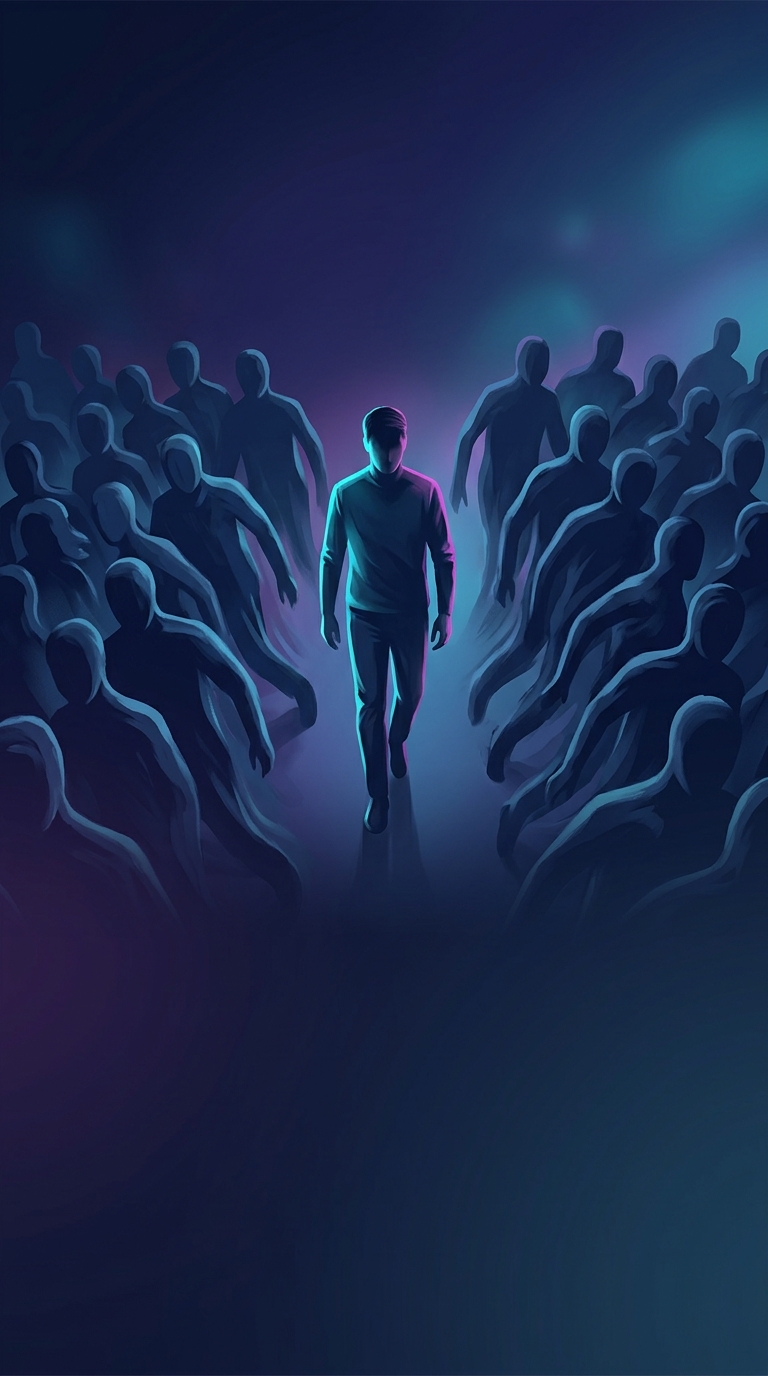
Let Your Gaze Mark the Route
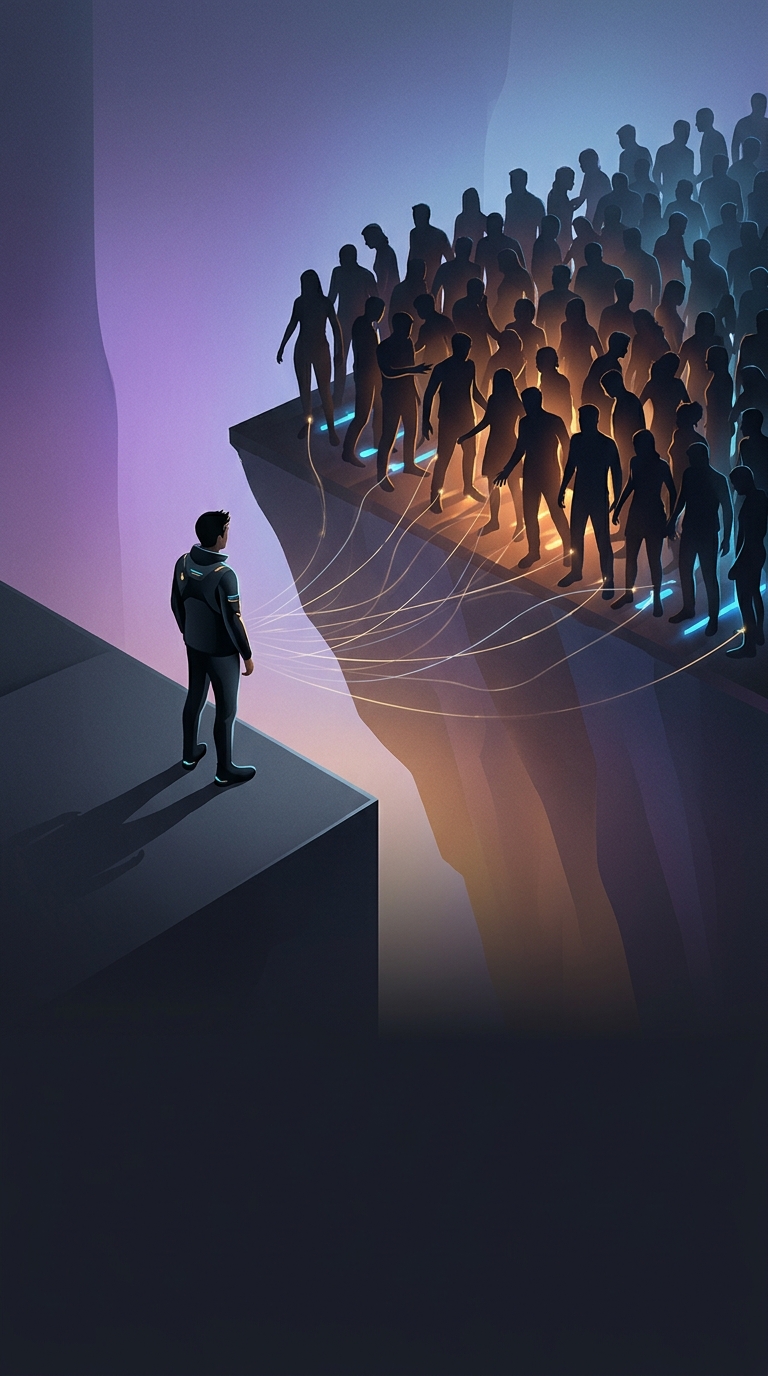
On a crowded sidewalk, people often decide where to step before they consciously think about it. They read small cues from approaching walkers—especially head direction, gaze, and the line of travel—to guess who is going where. If you look toward the open space you intend to pass through, your face and body point to the same route. That gives others a useful preview and a moment to adjust.
The practical trick is simple: look through the gap you want to use, rather than staring at the person in your way. Keep your walking line steady and your pace predictable. A direct stare can feel like a challenge, while darting your eyes around gives people less certainty about your next move.
A Cue, Not a Command
This works through coordination, not mind control. Pedestrians continually make tiny course corrections to avoid collisions; a clear, consistent approach helps them predict yours. They may shift aside, but they might also be constrained by other people, a wall, or the flow of the crowd. In those cases, slow down or choose another opening rather than forcing through.
The memorable part is that a small signal can prevent a last-second shuffle: people can make room more easily when they can see where you plan to go.