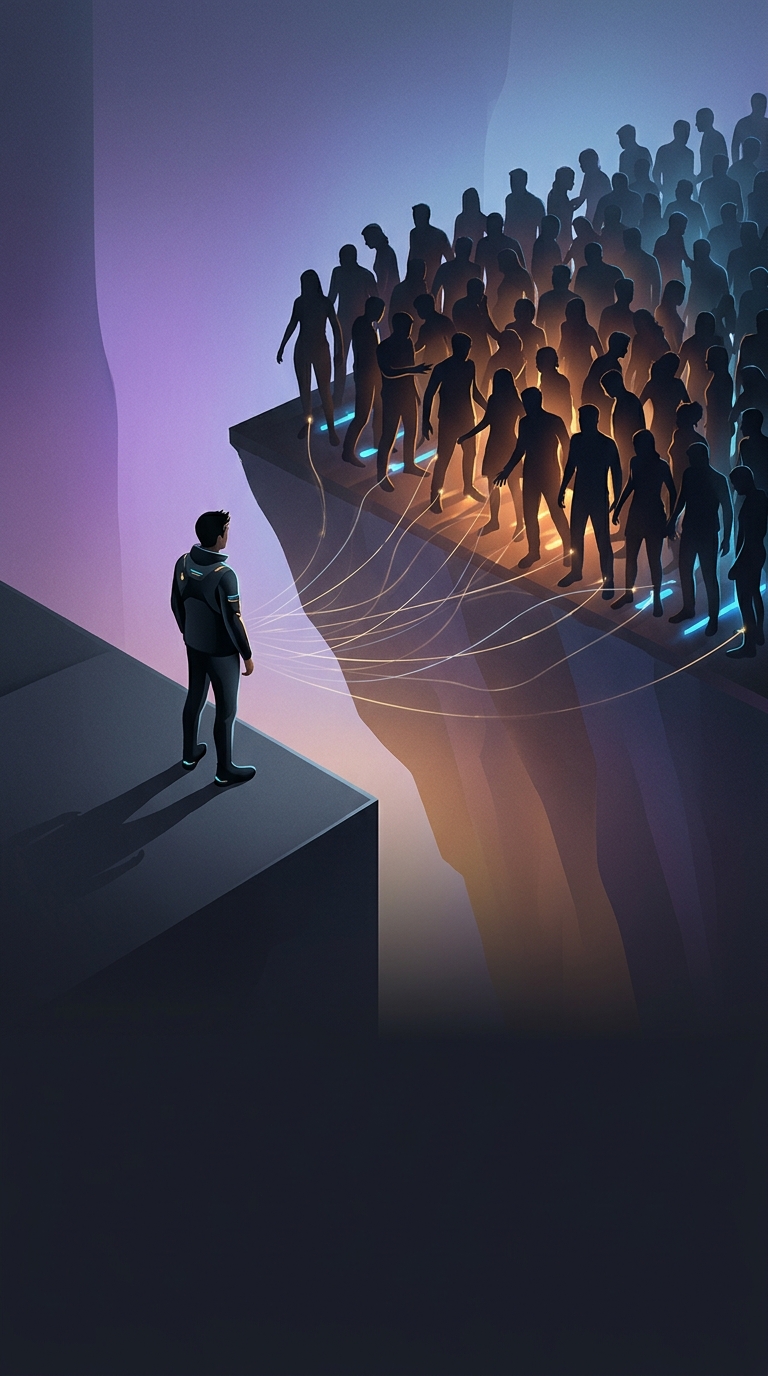
A line turns other diners into evidence
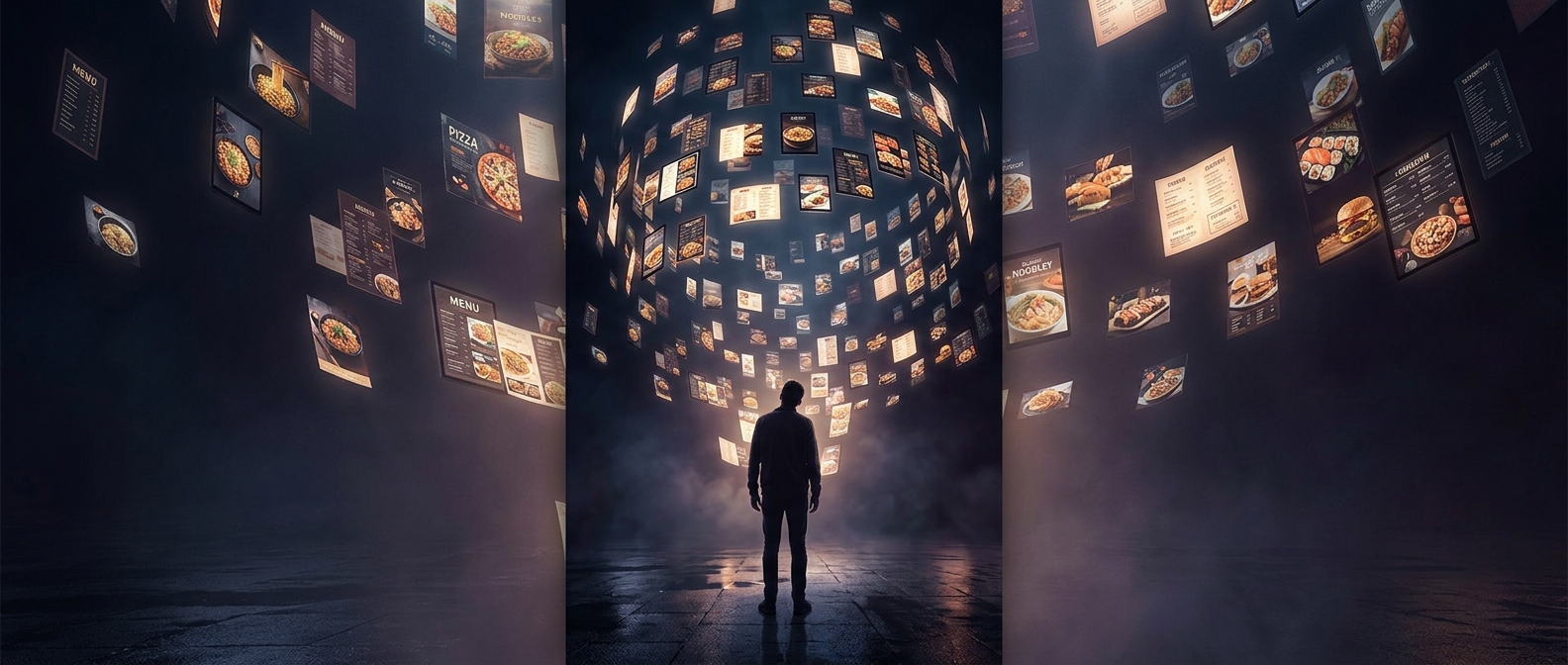
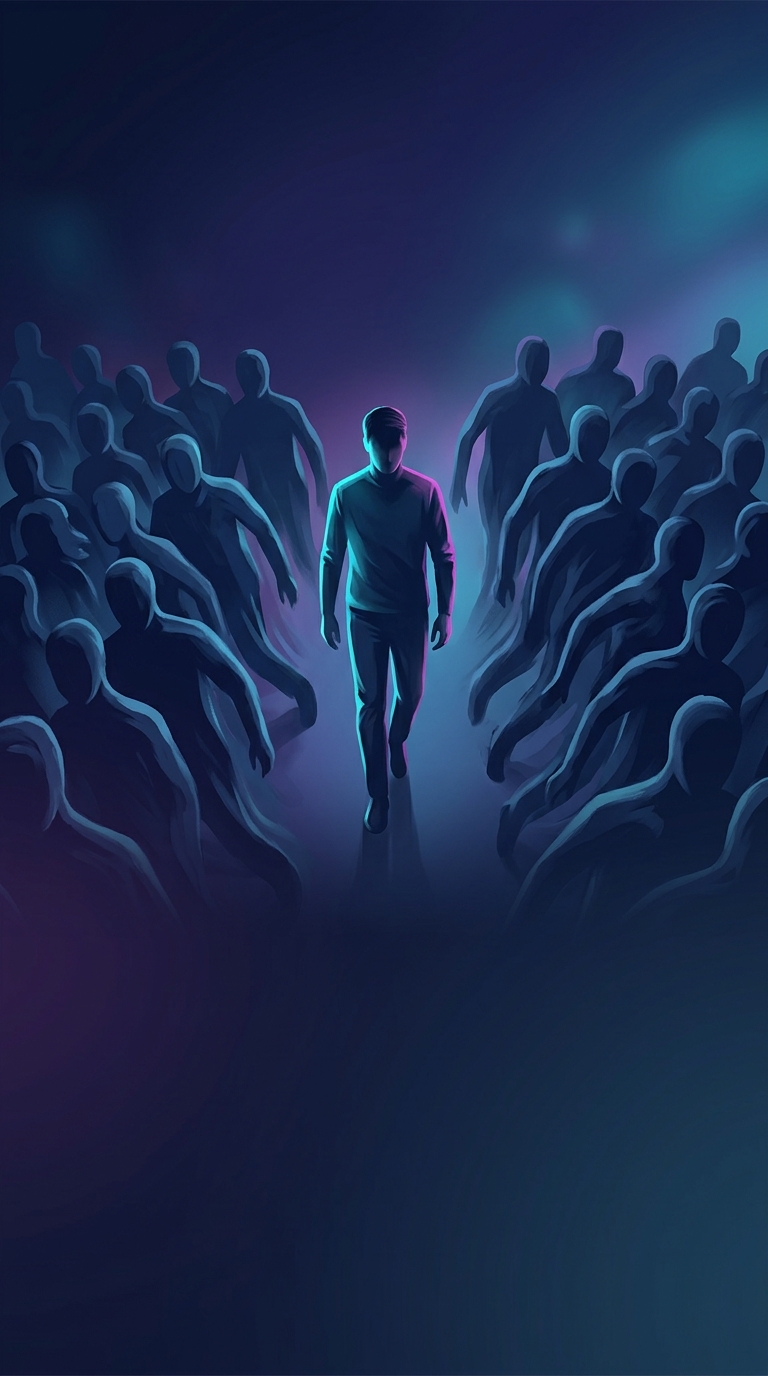
Choosing a restaurant is a decision under uncertainty: before eating, you cannot know whether the food, service, or atmosphere will be worth your money. A crowd offers a quick clue. If many people have chosen the same place, it may seem more likely to be good. Psychologists call this social proof—using other people’s behavior to help judge what to do when the right choice is unclear.
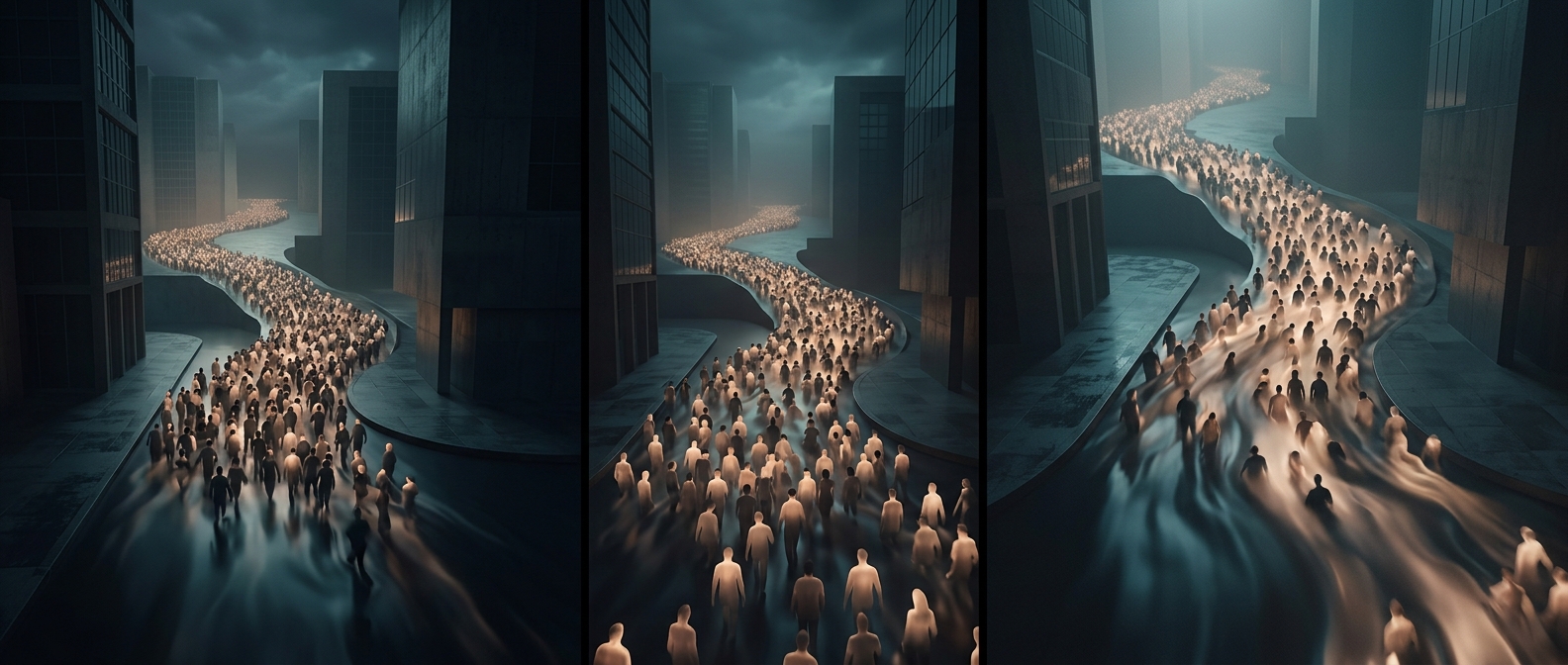
The line is especially persuasive because it is visible. An empty dining room provides little information: perhaps the restaurant is new, overlooked, or simply having a quiet moment. A queue, by contrast, looks like a public vote. Even when you know nothing about the restaurant, you can see that other people are willing to spend time there.
Waiting can make the choice feel more valuable
A wait also changes how the restaurant feels before you have tasted anything. Trendiness suggests limited access: you may worry that the place is popular now and harder to try later, or that you will miss what friends are talking about. Once you have waited, the effort itself can encourage you to expect a worthwhile payoff. That does not make the meal better; it can make you more invested in believing the choice was good.
The empty neighbor lacks these cues, even if its food is just as good. Picking it means relying more on your own judgment, while joining the queue lets the crowd share some of the uncertainty. The line is not proof of quality; it is a visible shortcut for deciding when quality is still unknown.