Why the Awkwardness Gets Attention
A familiar dance gives viewers a clear standard for comparison. When an adult performs moves associated with teens, the gap between the routine’s expected style and the performer’s age can create incongruity—a mismatch people notice quickly. If the timing or gestures also seem stiff, that mismatch may read as funny, endearing, or embarrassing, depending on the viewer.
The joke does not require the performer to fail. Some viewers may enjoy a confident performance; others may find the visible effort itself entertaining. Either way, the audience is reacting not just to the steps but to the social situation: an adult choosing to enter a youth-coded trend in front of strangers and an online crowd.
The Audience Becomes Part of the Performance
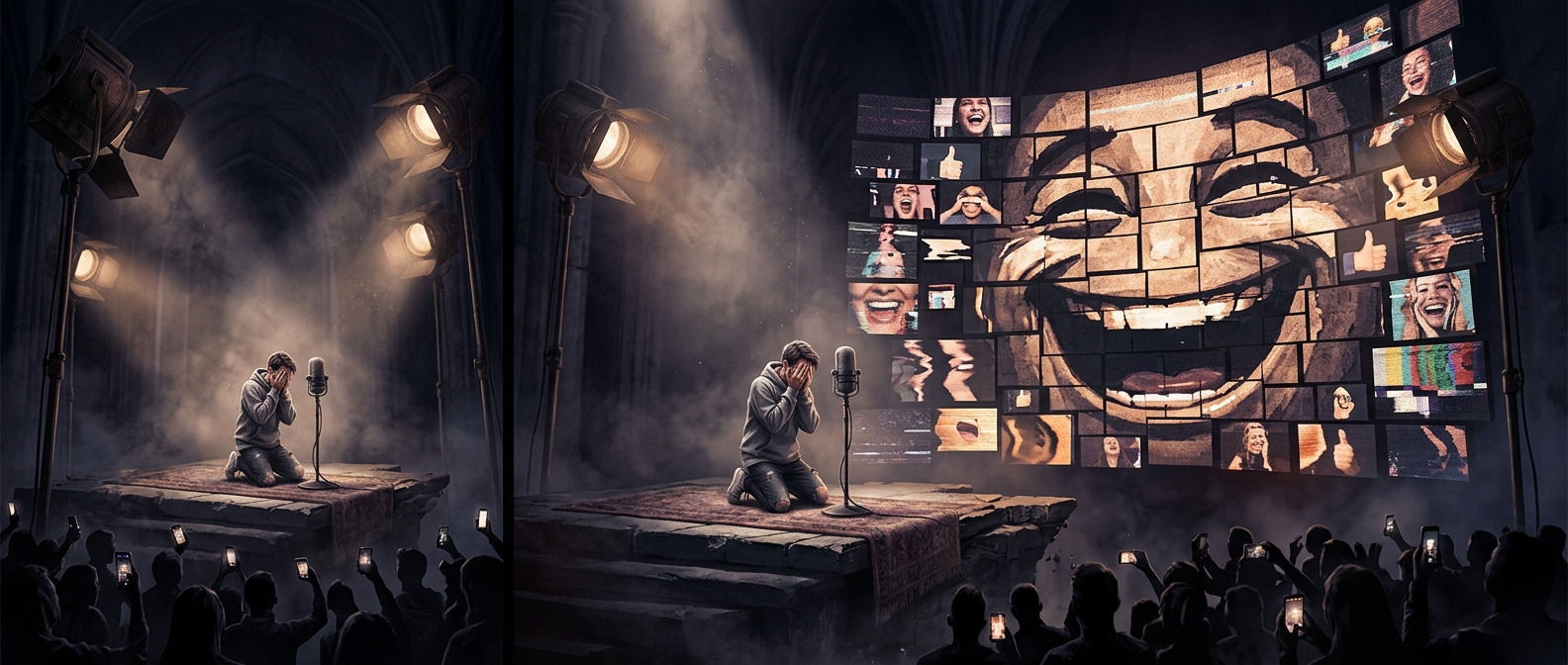
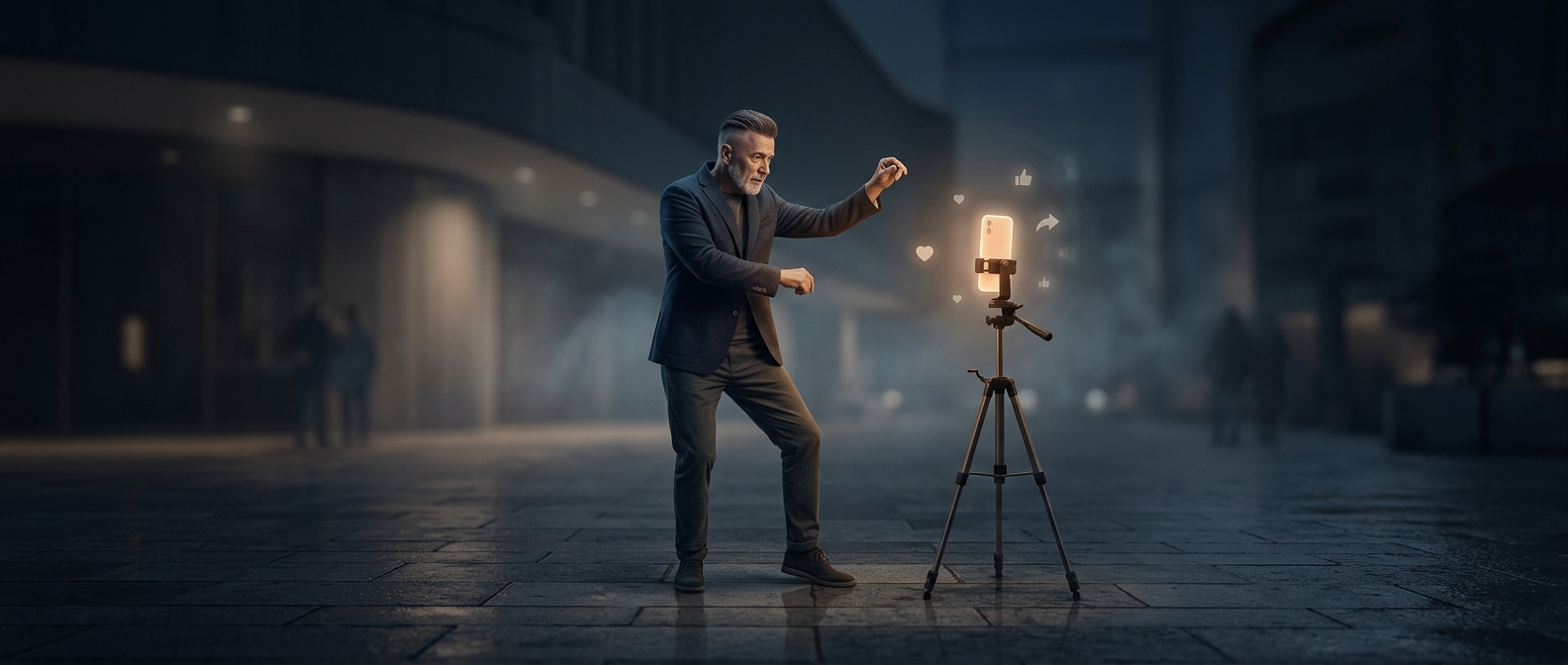
Public settings add another layer. People nearby can become an immediate audience, while a camera turns the moment into material for people who were not there. The performer may be seeking attention, but viewers also bring their own expectations about who “belongs” in a trend. That tension can prompt comments, shares, and debate, extending the performance beyond the original scene.
Online, a reaction can be hard to distinguish from endorsement. A viewer who shares a clip to laugh at it still helps it travel; someone who calls it awkward may be giving it the very visibility that makes the attempt worthwhile. The result is a peculiar bargain: the performer risks looking out of place, and the audience gets a quick, legible social joke—one that can keep circulating even when people disagree about whether it was funny.