Why looking away does not reveal a lie
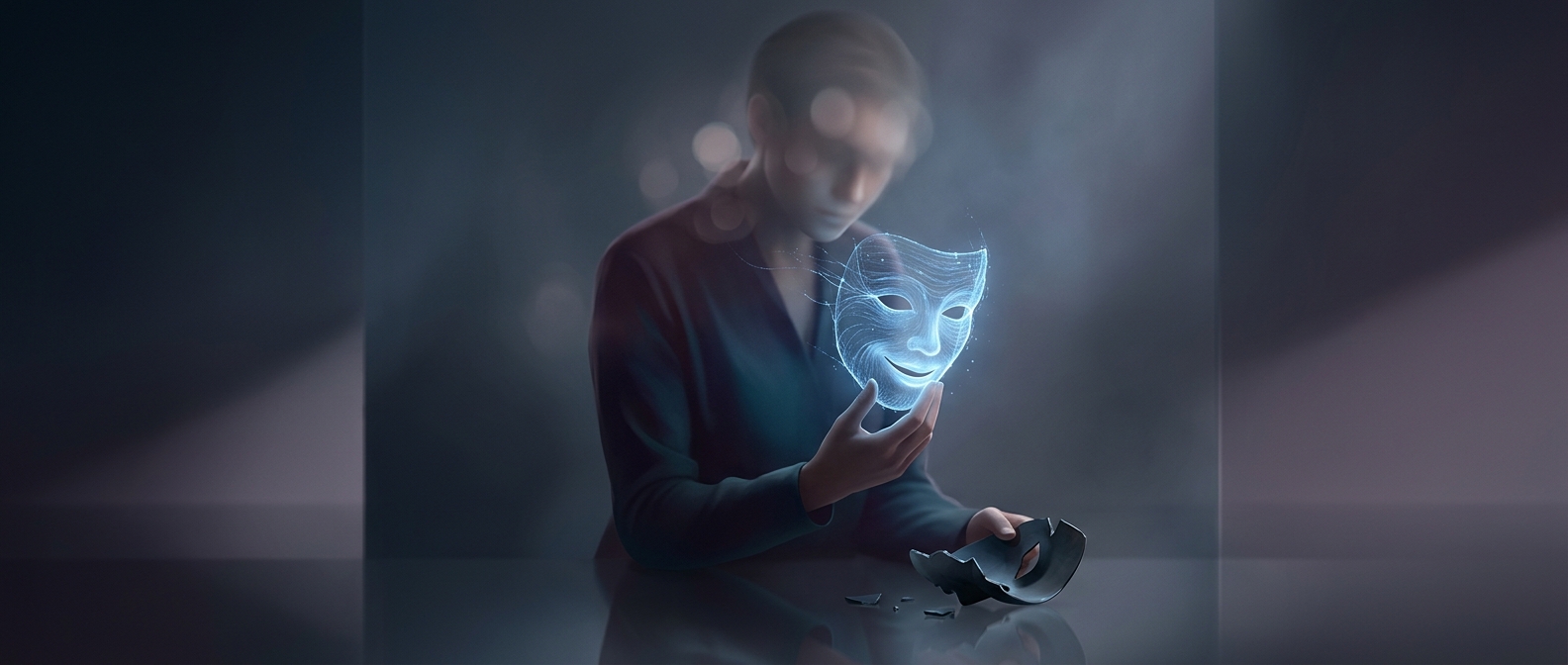
The familiar claim is that people who lie avoid eye contact. Forensic psychologists do not treat that behavior as a dependable sign of deception: there is no universal gaze pattern that reliably separates liars from truth-tellers.
People look away for ordinary reasons. They may be recalling a detail, searching for words, concentrating, or feeling uneasy under scrutiny. A truthful person can therefore avert their eyes while answering. Meanwhile, someone who is lying may hold eye contact—whether naturally or because they know others expect liars to look away.
The problem with reading a single cue
Body language is shaped by the person and the situation. Someone’s usual manner, the pressure of an interview, the topic, and cultural habits can all affect where they look. Without a meaningful comparison to that person’s normal behavior, a glance away has no clear interpretation.
Even when a behavior changes, that change does not tell an observer what caused it. Nervousness can accompany deception, but it can also come from being accused, misunderstood, or simply anxious. Treating one gesture as proof confuses a possible reaction with a reliable test.
That is why assessing a statement is more useful than trying to decode a pair of eyes. Investigators can examine whether an account is consistent, check details against independent evidence, and ask questions that invite a person to explain what happened. Averted eyes may attract attention, but they cannot establish that someone is lying.