Hormones follow internal feedback, not a pose
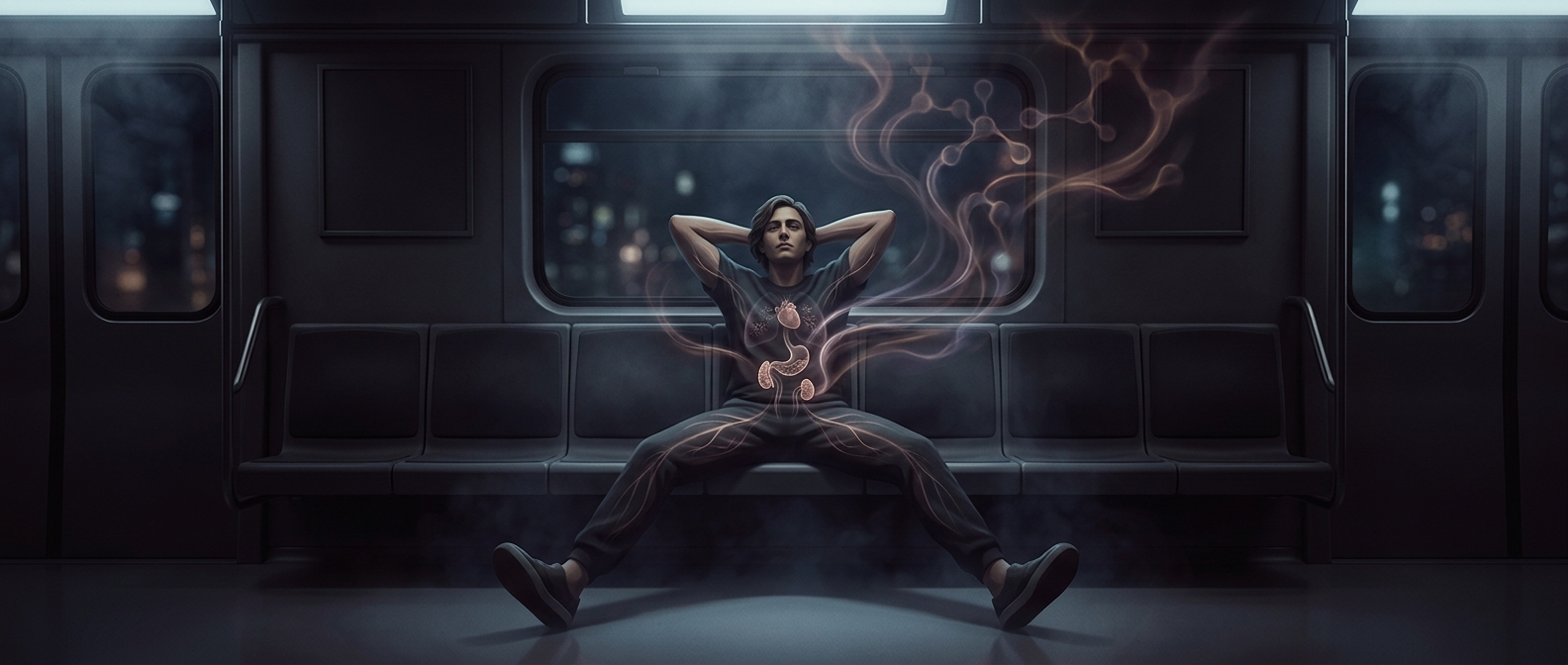
Hormones are chemical messengers released by glands in response to signals from the brain, other organs, and conditions such as sleep, stress, and energy needs. Their levels are regulated through feedback loops: when the body has enough of a hormone, that information can reduce further release. A posture does not directly override those systems or tell a gland to produce a predictable dose.
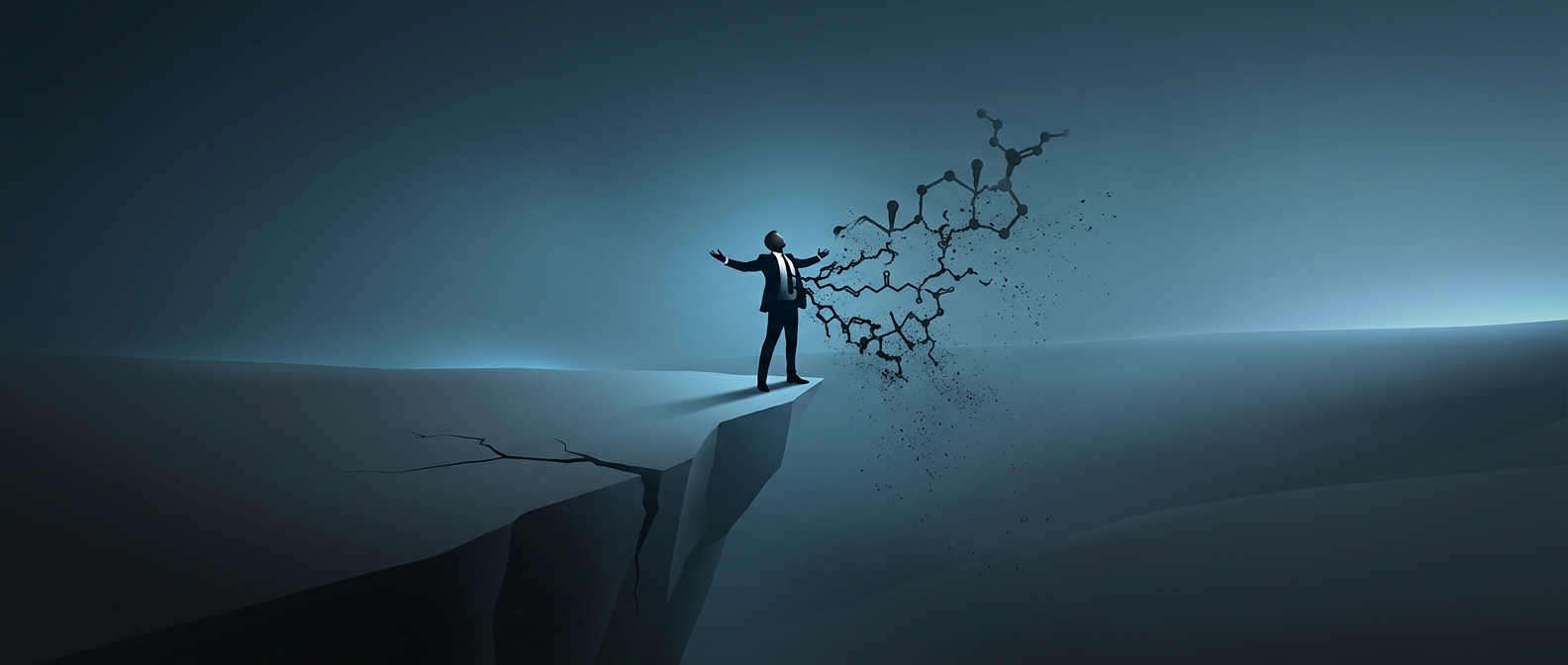
That distinction matters because early claims about “power posing” suggested that holding an expansive stance could quickly shift hormones associated with dominance and stress. Those claims helped popularize the practice, but the proposed hormonal effect has not held up as a reliable result. A visible change in stance is not evidence that the body’s chemistry has changed with it.
A pose can still change the interaction
Posture can affect how other people read a person. Standing upright and taking up space may look more assured than hunching or shrinking away, which can influence an interaction even if hormone levels remain unchanged. It may also serve as a deliberate cue to pause, breathe, or prepare before a difficult moment.
Those effects are situational, not a biological guarantee. A pose cannot ensure confidence, erase anxiety, or make another person respond favorably. Its plausible influence is closer to changing the signal someone presents—and perhaps how they approach a moment—than to switching the body into a new hormonal state.