Why posture can matter when you feel afraid
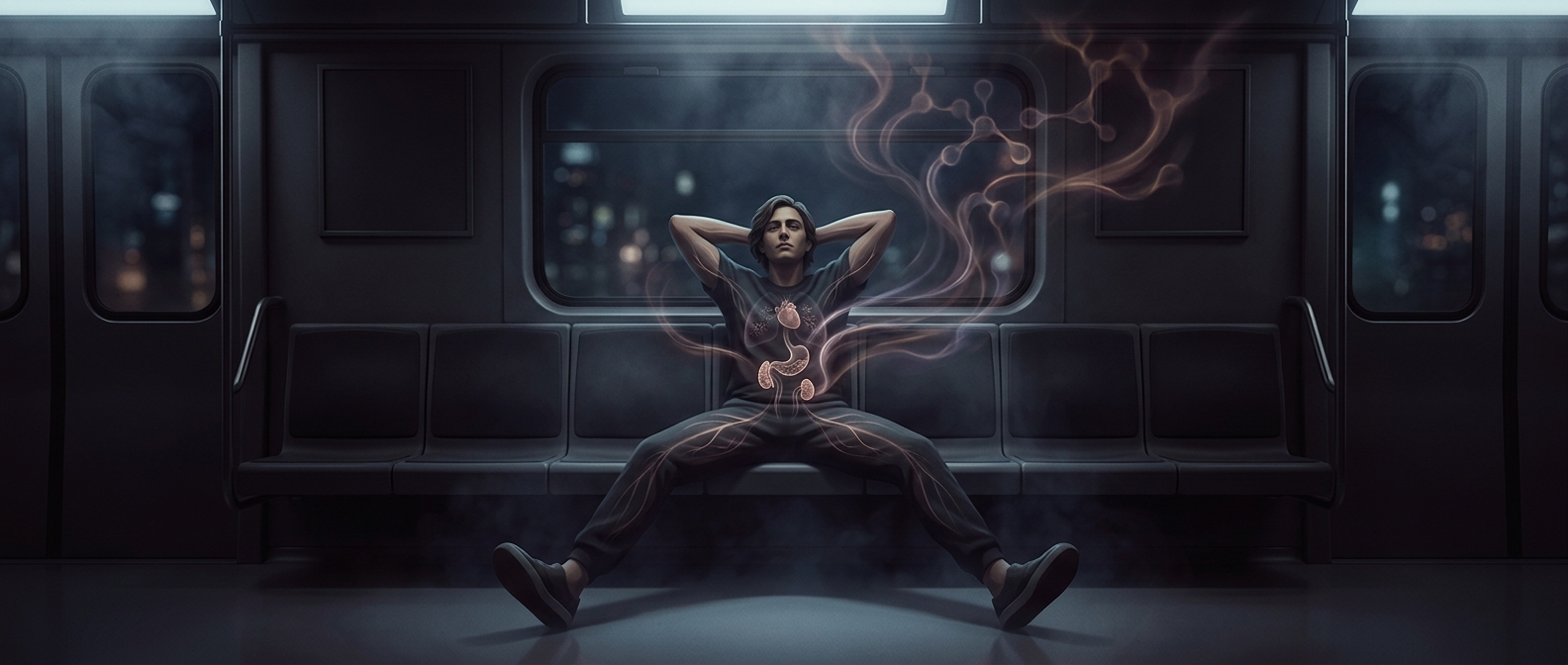
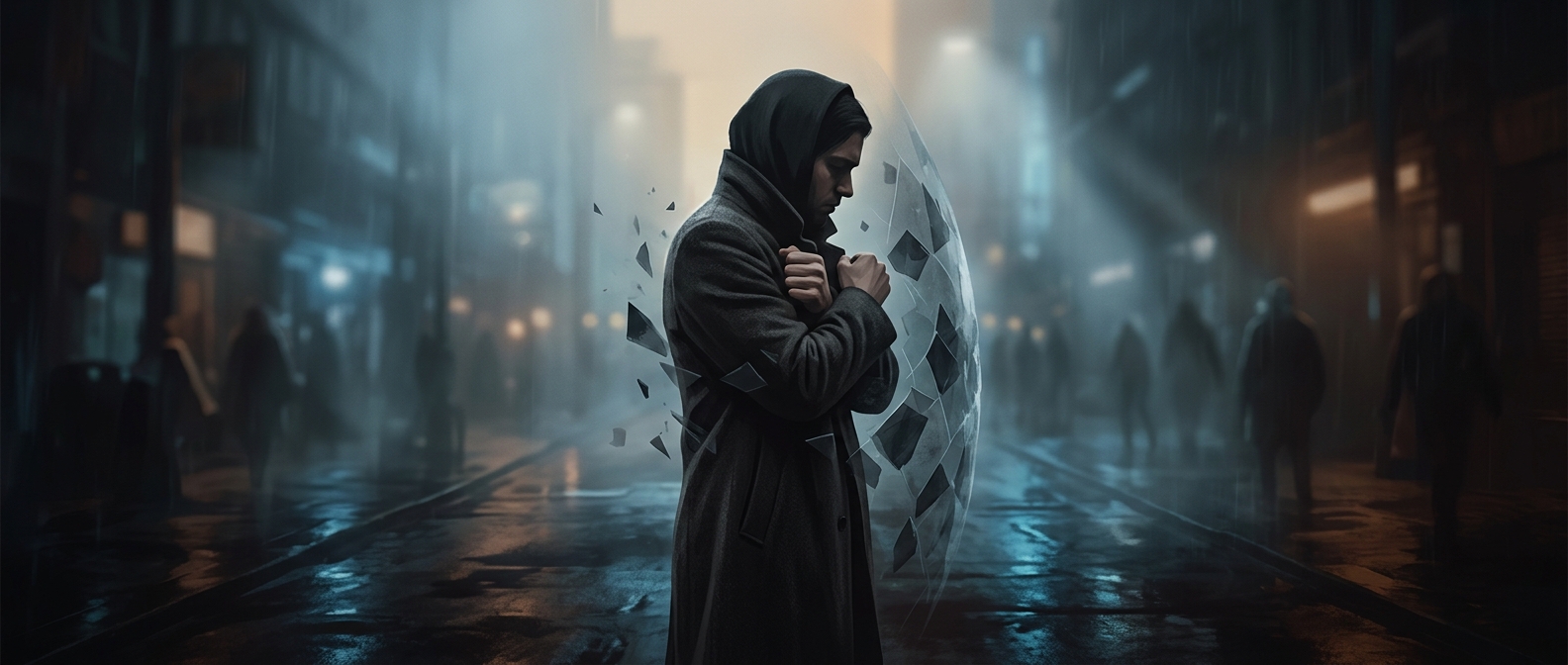
Fear is not only a thought; it is a whole-body response. A threat can tighten muscles, shorten breathing, and pull the shoulders forward. Those changes prepare you to protect yourself, but they can also make the danger feel harder to handle. Standing upright interrupts that familiar pattern: you take up space, keep your head level, and may find it easier to breathe and look directly at what is happening.
The body and mind keep updating each other
Your brain does not decide how threatening a situation is from thoughts alone. It also uses signals from the body—such as muscle tension, breathing, and balance—to interpret what is happening. A collapsed posture can fit the message “I’m overwhelmed,” while an upright stance can provide a competing cue: “I can stay here and respond.” This does not erase fear or prove that a situation is safe. It can, however, make the feeling less likely to dictate an immediate retreat.
A small shift, not a cure
The useful point is not to force yourself into a pose of confidence or ignore real danger. It is to give yourself a steadier starting position while you decide what to do. When fear rises, plant your feet, lift your chest comfortably, and let your shoulders settle rather than stiffening them. The threat may remain—but your next action can be chosen instead of driven entirely by the urge to shrink or flee.