How family roles can shape risk-taking
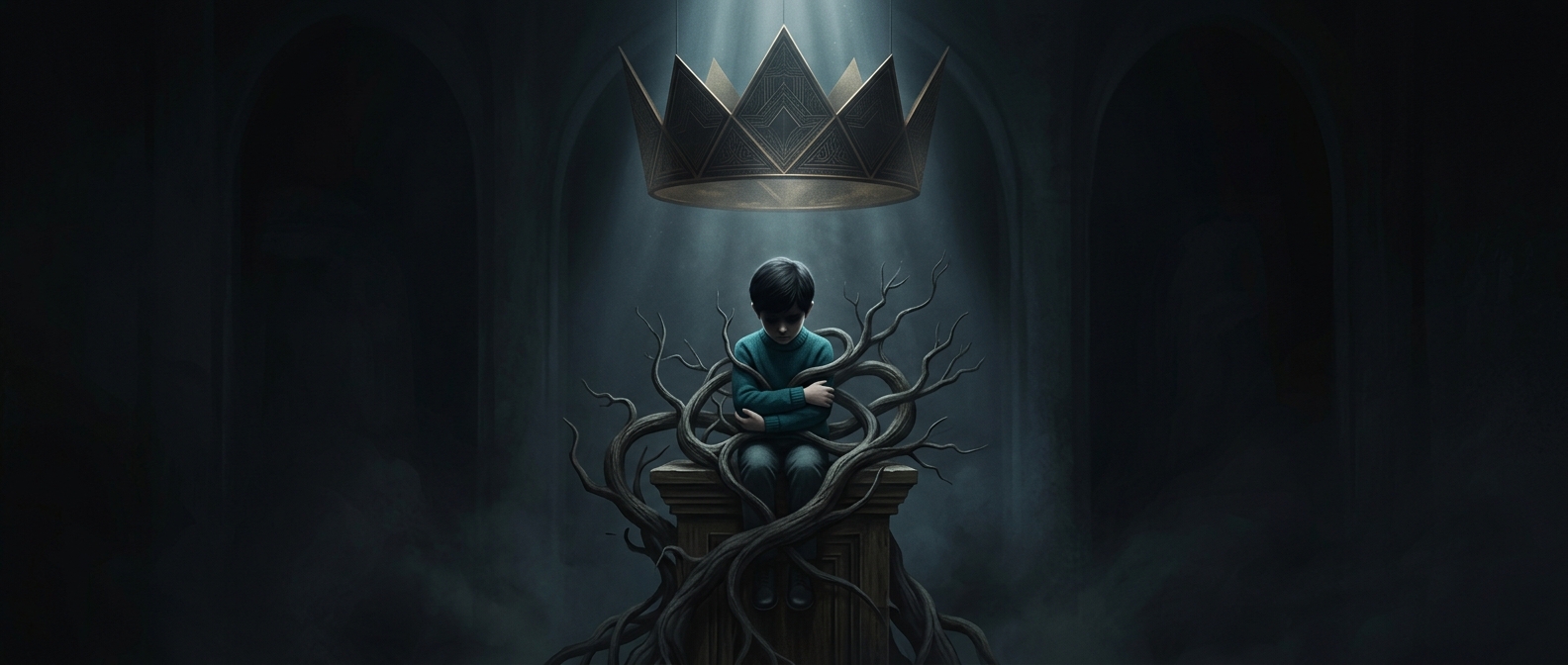
A youngest child enters a family where many everyday patterns are already established: who gets praised for being responsible, who gets noticed for achievement, and what counts as daring. If older siblings have claimed familiar roles, the youngest may look for a different way to stand out. Taking a chance can become one such signal—not necessarily because the child is naturally more fearless, but because boldness offers a visible contrast.
Learning from older siblings
Older children can also serve as live demonstrations. A younger sibling may watch them try something first, see what happens, and learn which risks bring excitement, attention, or social approval. That example can make an unfamiliar activity feel less unknown. At the same time, siblings may compete: if an older child is already known as adventurous, the youngest might imitate that reputation or seek a more extreme way to distinguish themselves.
Parents’ responses can add another layer. By the time a later child is growing up, caregivers may have changed their expectations or become more practiced at handling ordinary childhood mishaps. A younger child might therefore encounter different boundaries than an older sibling did, though families vary widely.
A tendency, not a rule
These influences do not determine personality. A younger sibling can be cautious, and an oldest child can be daring. Risk also depends on the situation: trying a new sport, speaking up among peers, and making a consequential financial choice are not the same kind of behavior. Temperament, opportunity, and the reactions of family and friends all matter.
The useful idea is that risk can carry a social meaning inside a family. A child may be choosing not only whether to try something, but also what kind of person to be seen as among the people who know them best.