Why a folded posture can feel settling
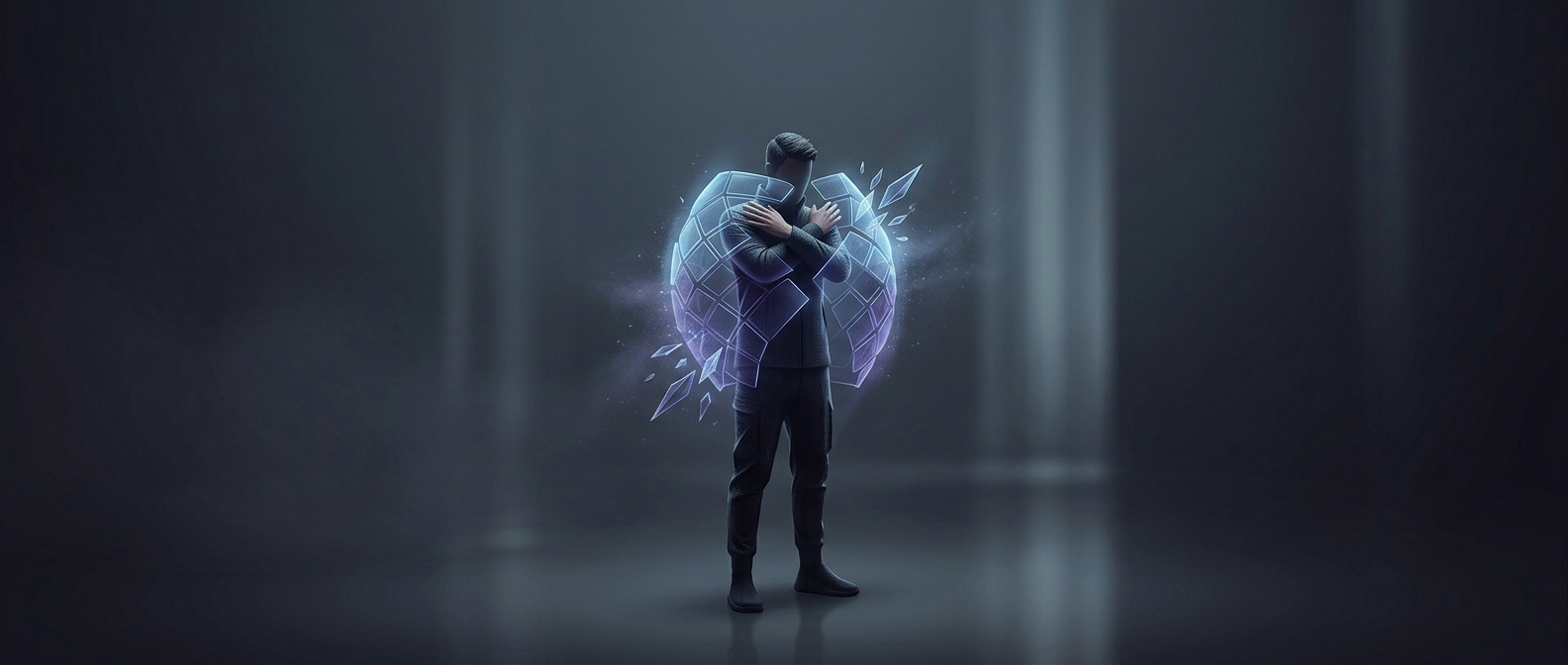
Crossing your arms changes more than how you look. It brings your hands into contact with your own body and gives your muscles a steady position to hold. Touch and pressure provide the nervous system with clear, familiar sensations; for some people, that input can feel grounding when a room or conversation feels demanding.
The posture also reduces movement. Instead of gesturing freely or deciding what to do with your hands, you hold them in one place. That small physical constraint can make you feel more contained, much as sitting still or clasping your hands can help during a tense moment. It is not a special calming reflex, and its effect varies: some people find folded arms comfortable, while others feel more closed off.
The body can shape the social moment
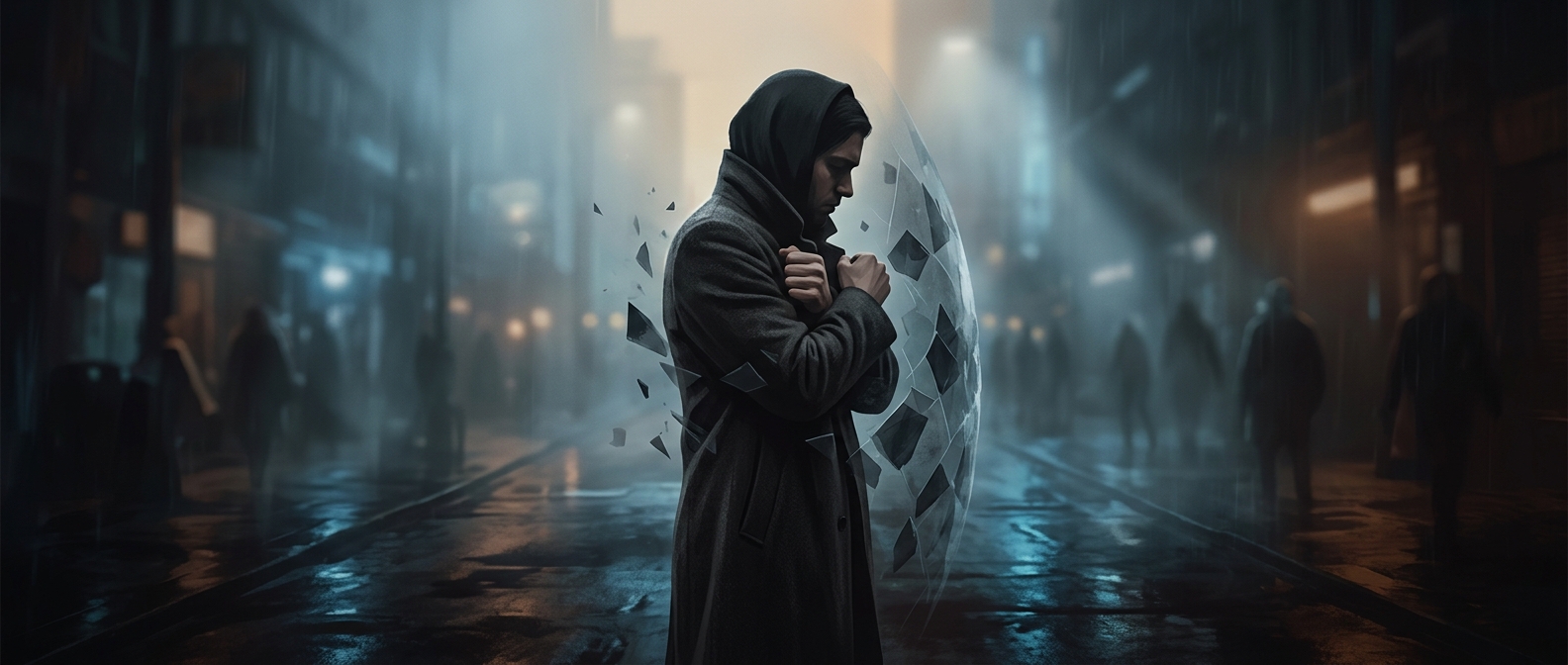
A posture can influence how you experience an interaction, but it also sends a signal others may read. Folded arms can be interpreted as reserve or defensiveness, even when the person is simply cold, tired, or seeking comfort. That interpretation may affect how others respond, which can then reinforce the sense of distance—or have no effect at all.
So the feeling of “armor” is best understood as a combination of bodily sensation and context, not a barrier that blocks emotion. The same folded arms can be soothing when you need a moment of steadiness and socially distancing when the people around you read them as a refusal to engage.