How a Closed Posture Can Color a Conversation
Crossing your arms does not simply signal a fixed emotion to everyone around you. But posture can feed information back to your own mind. Your brain uses signals from the body—such as muscle tension and the position of your limbs—alongside what you see and hear to make sense of a situation.
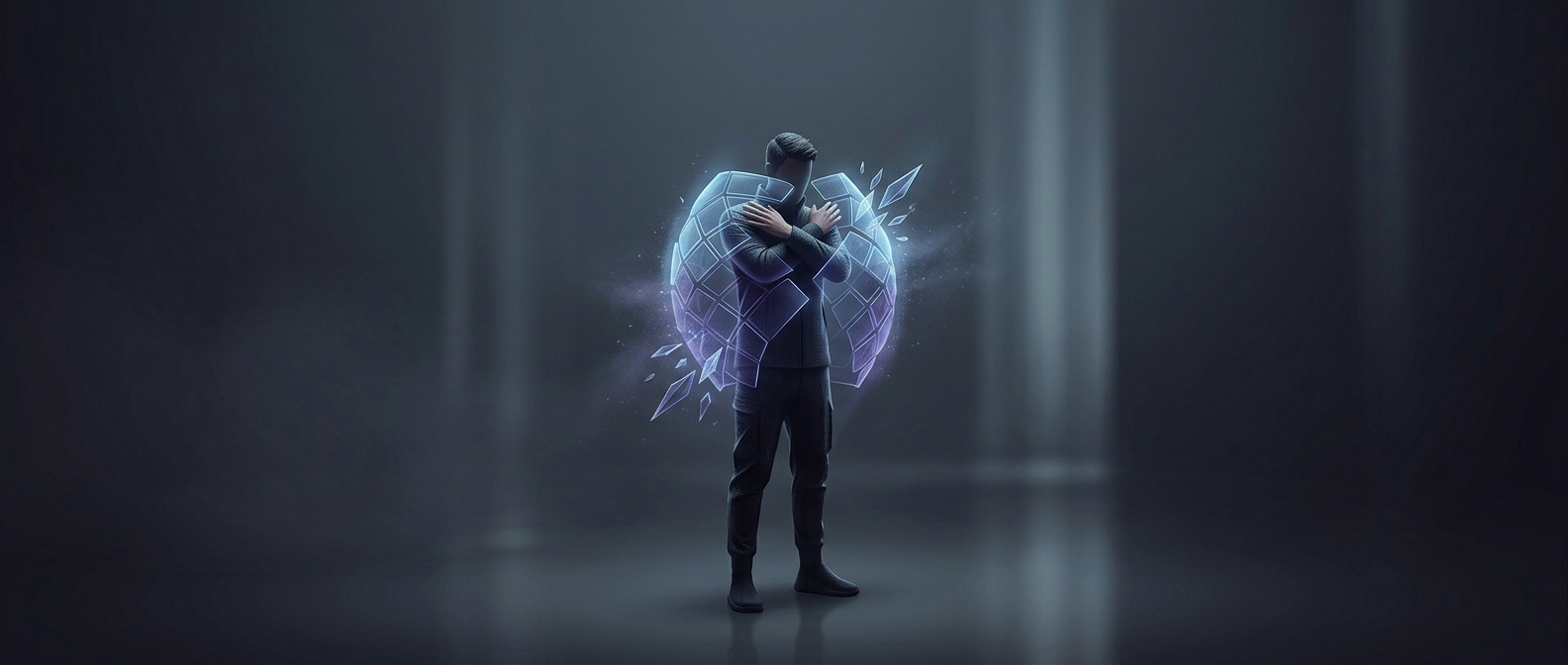
When your arms are folded tightly across your chest, that posture may feel like bracing or holding yourself in. The physical cue can make a guarded interpretation more available, especially when someone’s words are ambiguous. A neutral remark may then seem more like a criticism, while an open posture might leave more room to hear it as ordinary conversation.
The Feedback Runs Both Ways
This is a subtle influence, not a switch that turns a person defensive. The conversation affects your mood, and your posture can in turn shape what you notice and how you interpret the exchange. If you already feel uneasy, you may fold your arms; once folded, the posture can reinforce the sense of being on guard.
That loop also has ordinary explanations: people cross their arms because they are cold, comfortable, or unsure what to do with their hands. The gesture alone cannot reveal what someone feels. Its significance lies in how a posture may contribute to your own reading of an uncertain moment, not in serving as a reliable code for anyone else to decipher.