Why a sudden crash grabs you first
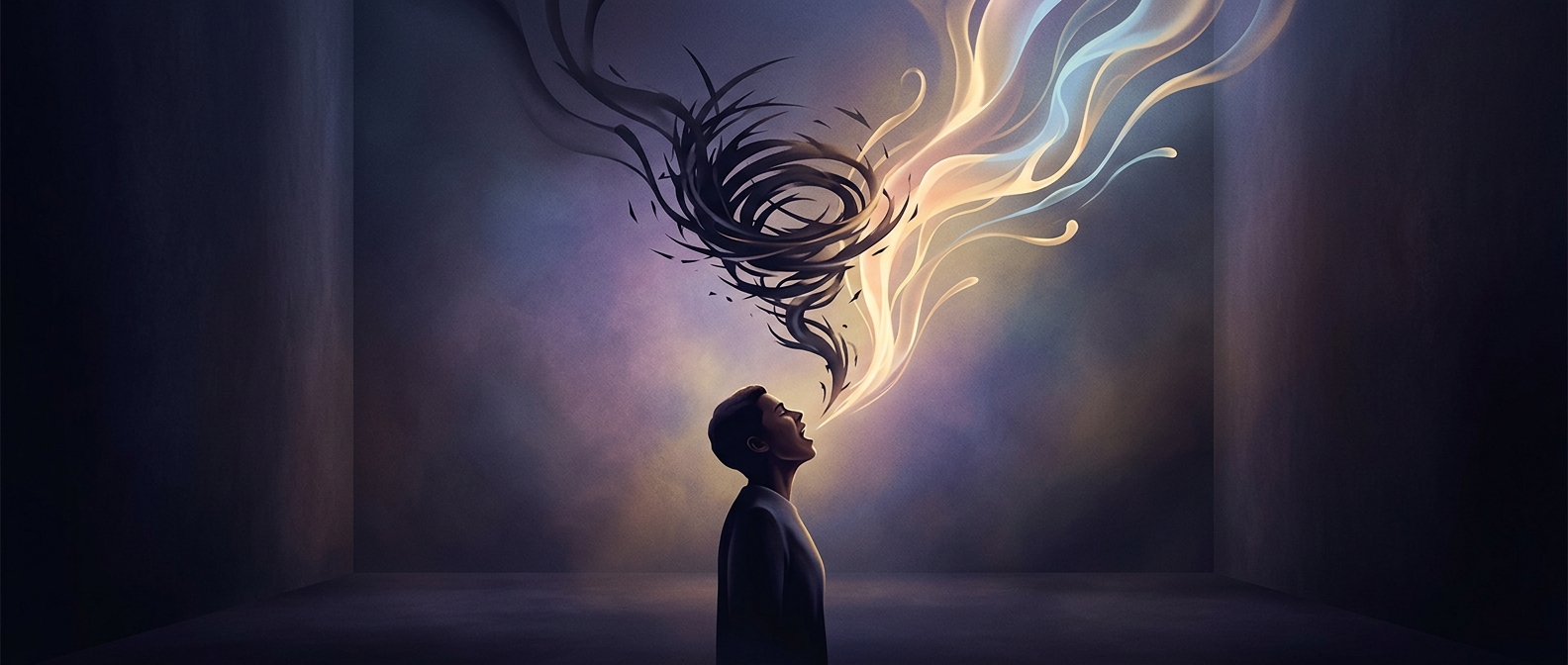
A bang can interrupt thought before you have identified what made it. The brain does not wait for a conscious explanation to begin responding: incoming sound is rapidly routed through circuits that help detect possible threats and prepare the body to react. A loud, unexpected noise is especially attention-grabbing because it is both intense and difficult to predict.
The startle response is a fast protective reflex
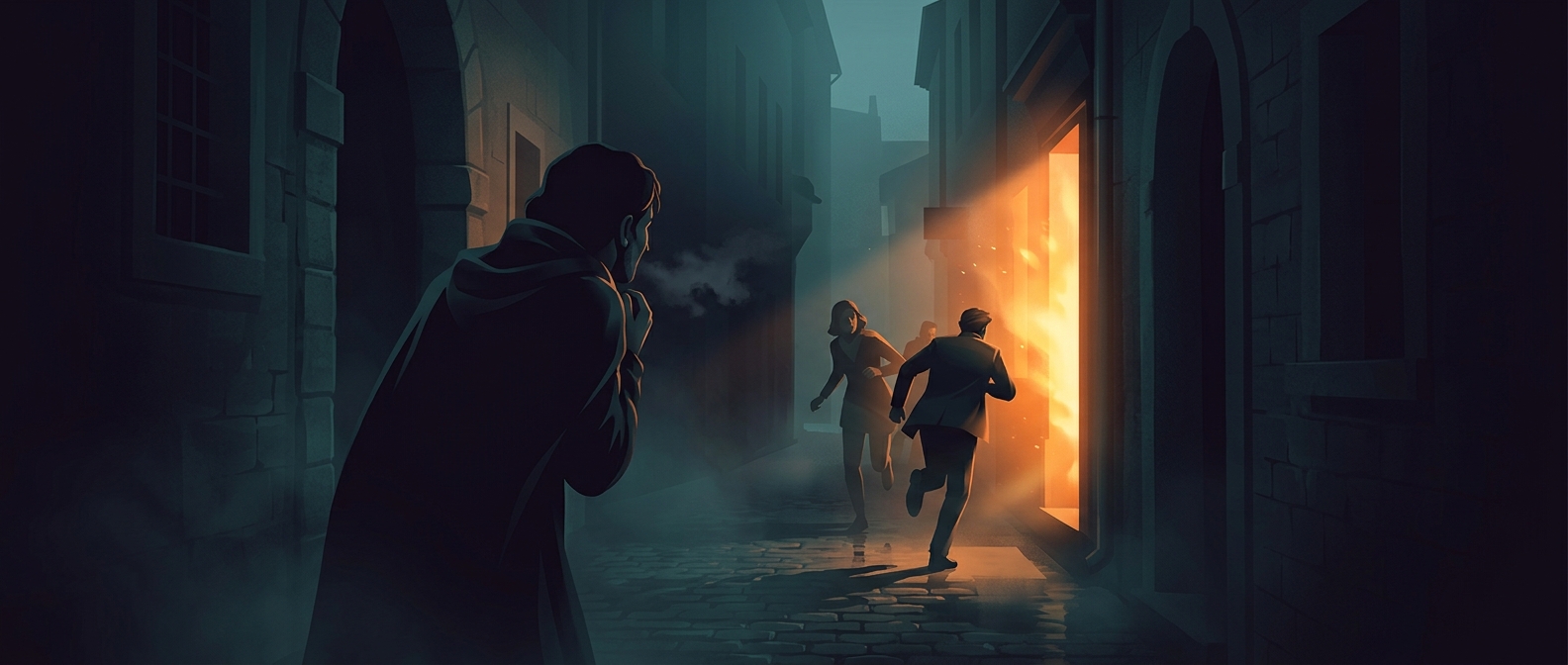
The first reaction—such as a blink, a flinch, or tightened muscles—is called the startle response. It is an automatic burst of activity, not a considered decision. Brainstem pathways can trigger it quickly, while other parts of the brain continue working out whether the sound came from danger, a dropped pan, or something harmless.
That division of labor matters. A rapid physical response may help if a noise signals an immediate threat; waiting to identify its source first could cost valuable time. The response is broad rather than precise, so it can be set off by a harmless crash as readily as by a genuinely dangerous one.
Why surprise makes the sound feel even bigger
The brain is constantly using context to anticipate what will happen next. When a sound arrives without warning, it violates that expectation and demands attention. If you are already braced for a loud noise, you may startle less; if you are distracted or the sound is unusually abrupt, the reaction can feel stronger.
Only after the initial jolt can you assess the scene and settle your body. That is why a harmless crash can make you flinch before you know it was only a pan hitting the floor: the alarm is built to be quick, not to wait for a verdict.