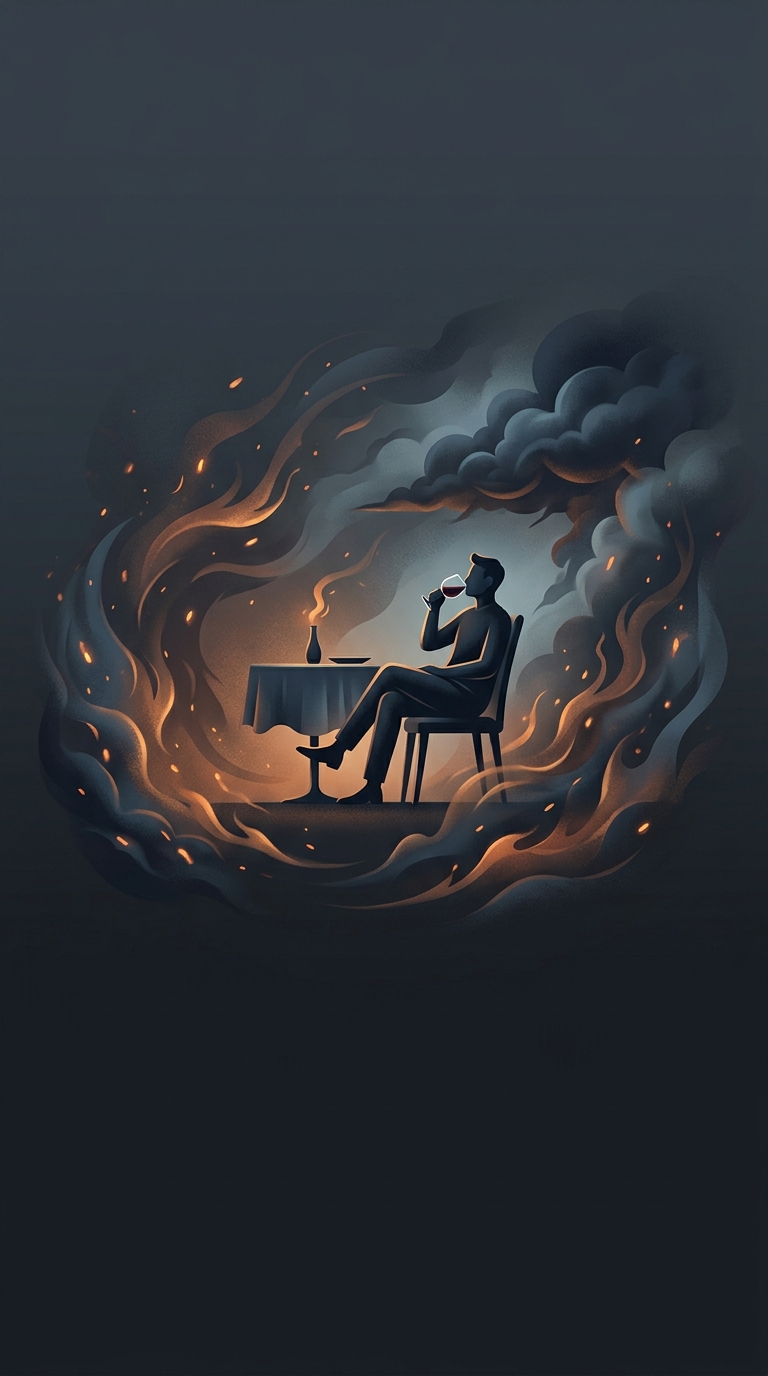
Why an Unfamiliar Disaster Can Feel Unreal
When a threat has no close match in someone’s experience, the mind has to imagine what it means before it can respond. A warning about a familiar problem—say, a storm that causes a power outage—comes with a ready-made script. A warning about a fast-moving, poorly understood crisis may not. In that gap, ordinary explanations can feel more convincing than a danger that is hard to picture.
Psychologists often call this normalcy bias: a tendency to expect that events will remain within the bounds of ordinary life. It is not a conscious decision to ignore danger. It can emerge as people interpret new information through familiar expectations: perhaps the warning is exaggerated, the situation will improve, or someone else will tell them if action is truly necessary.
How Waiting Becomes a Decision
The first response may be to seek more evidence rather than act. Someone might check another news report, wait for a neighbor’s reaction, or assume that a warning does not apply to their particular street. Each step can seem reasonable on its own. But while the person waits for the unfamiliar threat to become easier to understand, the time available to prepare or leave may shrink.
This response is not inevitable, and it does not mean people are indifferent or irrational. Conflicting messages, practical barriers, and uncertainty about what action to take can all make delay more likely. Clear instructions help turn a vague warning into a concrete task: where to go, when to leave, and what to bring.
The danger of normalcy bias is therefore not simply that people fail to believe a warning. It is that they may keep treating a rapidly changing emergency as if it still has time to become ordinary.