The mental work behind social camouflage
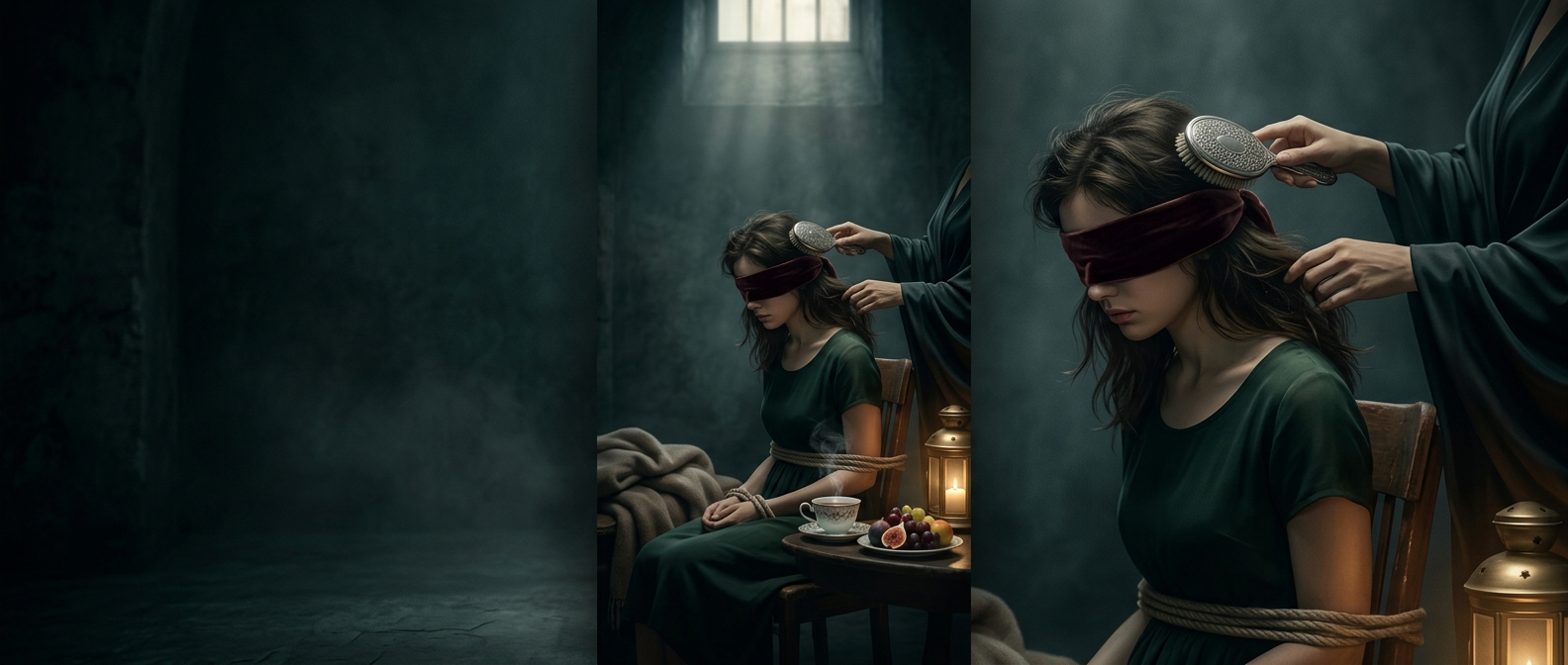
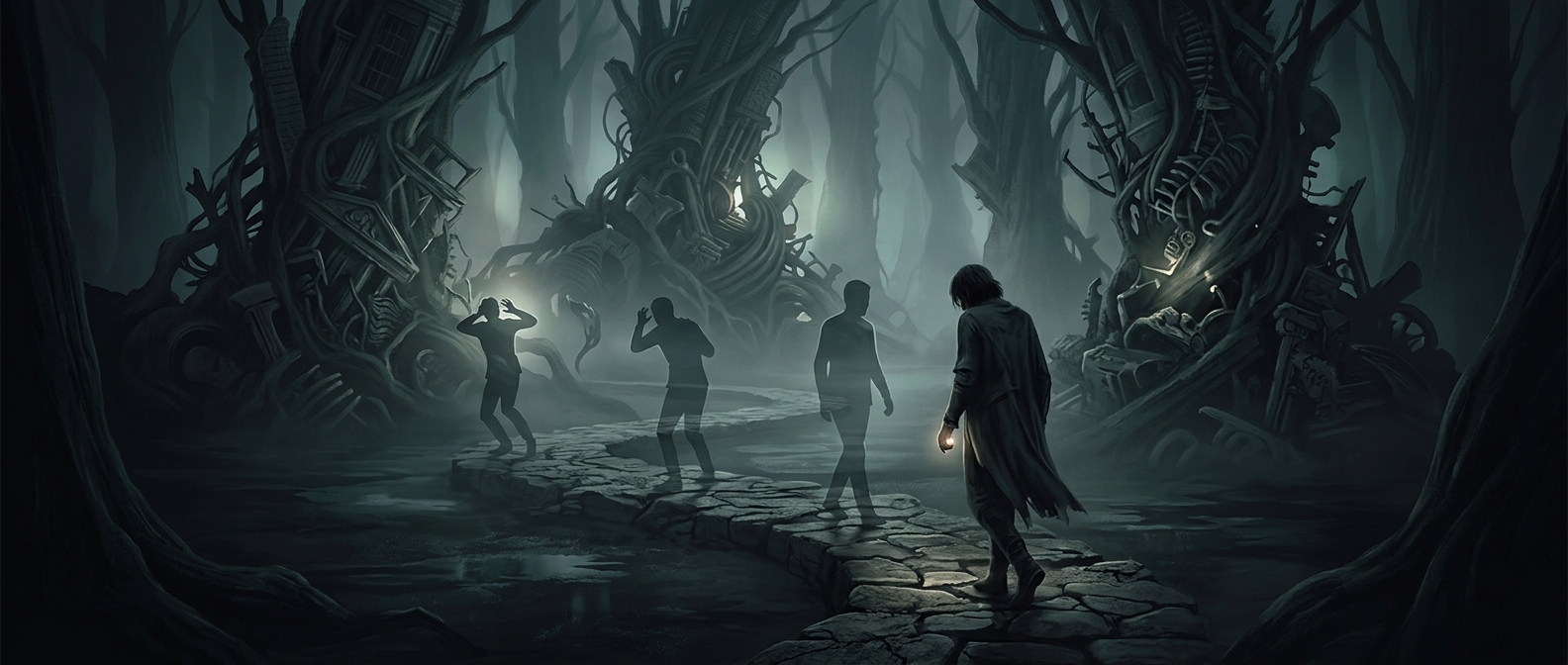
Social camouflage is the effort some autistic people make to hide traits or adapt their behavior to fit expectations in social settings. It can include copying gestures or facial expressions, rehearsing what to say, suppressing movements that feel regulating, or consciously monitoring eye contact and conversational timing.
The effort is often less like following a fixed script than running several checks at once: What does the other person’s expression mean? Is this the right moment to speak? Am I looking at them too little—or too much? A person may learn these patterns by watching others and testing what seems to work. Because the rules are rarely stated outright, even a familiar setting can require ongoing interpretation.
Why fitting in can carry a cost
Camouflaging can help someone get through a conversation, avoid unwanted attention, or meet expectations at school or work. But keeping up the performance can take energy that other people may spend on the conversation itself. A person may also leave an interaction unsure whether they were understood or merely appeared to fit in.
Sustained effort can contribute to stress, exhaustion, and a sense of disconnection from one’s own preferences. Some autistic people describe burnout after prolonged demands, though camouflage does not affect everyone in the same way, and it is not the only possible cause of burnout. The impact depends on the person, the setting, and whether they have room to recover and communicate in ways that feel natural.
The tradeoff is often invisible
A successful performance can conceal the support someone needs: coworkers may see fluent small talk and assume social situations are easy. That can make the effort harder to recognize, even to the person doing it. The practical implication is simple: judging someone’s needs by how convincingly they appear to fit in can miss the work happening just beneath the surface.