Familiarity can shape how attractive you think you look
Your face is not a single, fixed image. Lighting, expression, distance, and angle all change what someone sees. But your own view is unusually selective: you can check a mirror, choose a photo, or turn toward an angle you prefer. Other people encounter you in ordinary moments, without that same control.
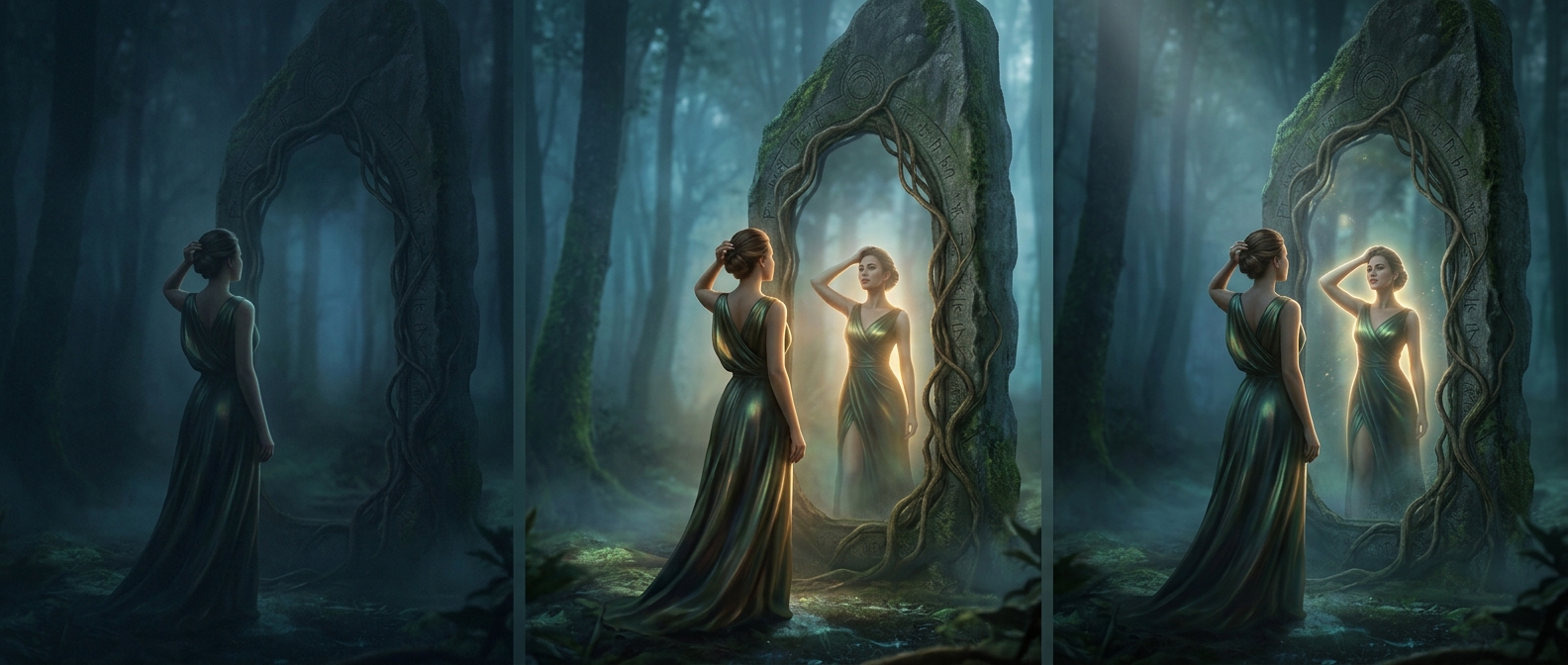
Repeated exposure matters, too. You see your face far more often than anyone else does, and familiarity can make its features feel more comfortable and appealing. This is one reason people may prefer a mirror image: it is the version they have learned to recognize, even though it reverses left and right compared with how others see them.
A curated sample can feel like the whole picture
The photos and reflections you remember are not a neutral survey. You may keep images you like and mentally discard awkward expressions, harsh lighting, or unflattering angles. Over time, those selected examples become an informal highlight reel. Because they are vivid and easy to recall, they can seem more representative than they really are.
That does not mean a person is simply mistaken about their looks. Self-assessment is shaped by more than appearance: confidence, mood, and the standards someone uses all play a part. Nor do other people see one objective, final version; they see a changing face in context, often alongside expressions and mannerisms that a still image leaves out.
The useful distinction is between a familiar, chosen view and the varied views other people encounter. A flattering selfie can be one genuine version of your face—but it is only one frame from a much larger picture.