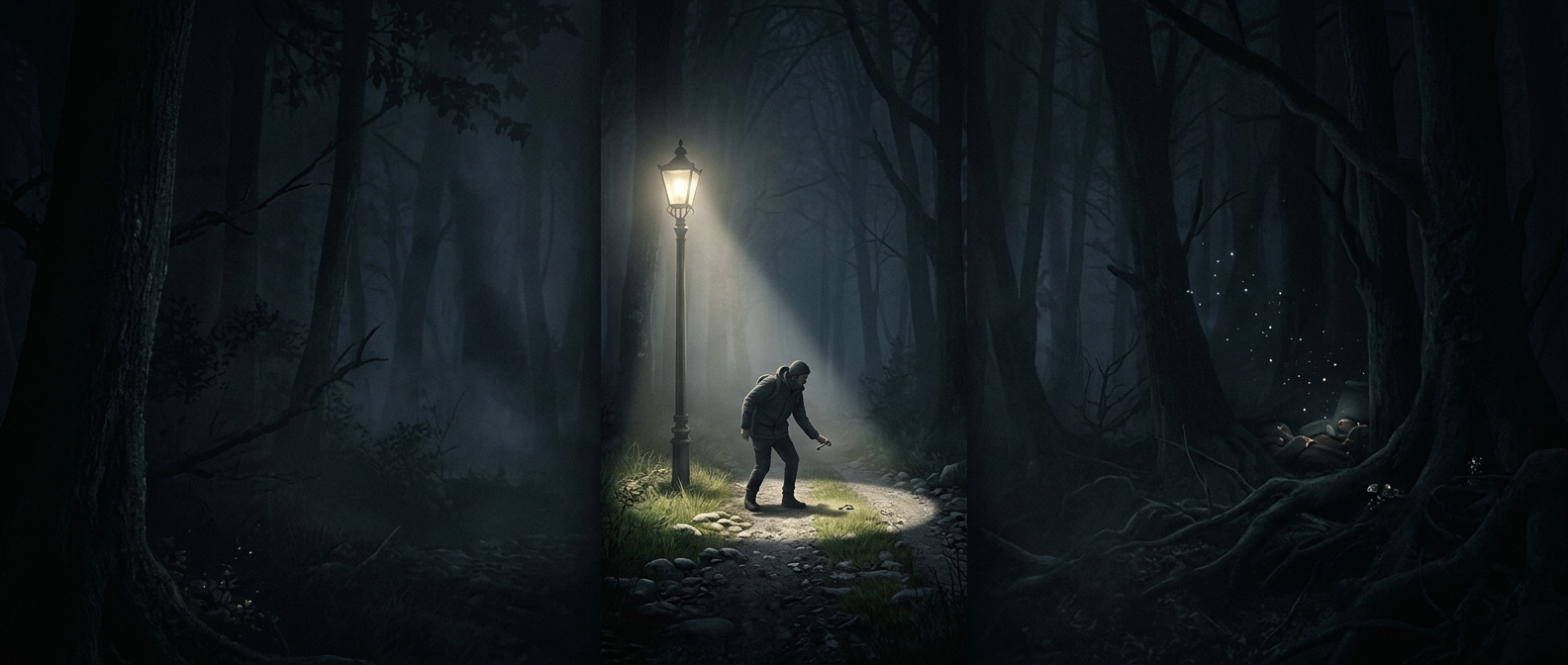
Why a vivid danger feels more common
Imagine hearing about an airplane crash on the evening news just before booking a flight. The image may come to mind instantly; the thousands of flights that landed safely that day do not. That mismatch is an example of the availability heuristic: a mental shortcut in which people estimate how likely something is by how easily examples come to mind.
The shortcut is useful in everyday life. If a stove burned your hand, remembering the pain helps you avoid touching it again. But ease of recall is not the same as frequency. A dramatic event is more likely to be remembered than an uneventful one, so it can feel more common than it is.
Why scary stories stay with us
Threatening events tend to grab attention. They can bring strong emotions, striking images, and a clear sequence of cause and consequence. Those features make a story easier to recall and retell. By contrast, a safe flight usually offers no memorable turning point: the plane takes off, lands, and disappears from attention.
News coverage and conversation can amplify the imbalance. A crash may be discussed repeatedly, giving it more chances to lodge in memory. Routine arrivals rarely receive the same attention—not because they are unimportant to the overall picture, but because they are not unusual stories.
Memory is not a risk tally
When judging a danger, the mind may substitute a familiar question—“Can I think of an example?”—for a harder one: “How often does this happen compared with all the times it could happen?” That substitution can make a rare event loom large even when the remembered story is real.
The practical lesson is not to ignore frightening examples, but to put them beside the full denominator: how many trips, attempts, or exposures produced the outcome. A memorable exception can teach you what is possible; it cannot, by itself, tell you what is typical.