Psychology
Discover facts about psychology. Small discoveries that change the way you see familiar things.
Psychology
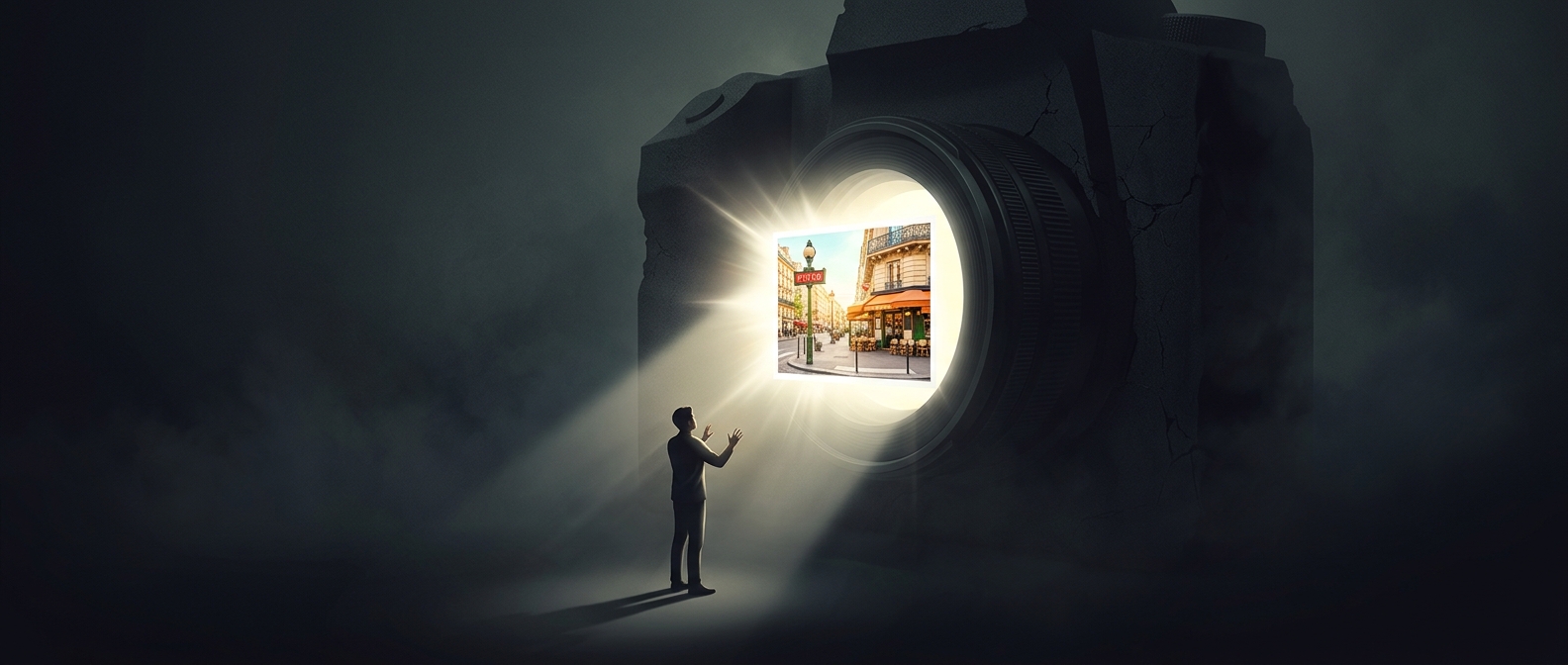
Traumatic news creates intensely vivid snapshots
A shocking news event can leave a memory with the feel of a photograph: where you were, what you were doing, the moment the news arrived. Strong emotion makes…
Discover more
Why a haunted doll replica feels different
A haunted doll is not just a collection of painted eyes and fabric. The story around it primes you to watch for movement, menace, and signs of a presence. A…
Discover more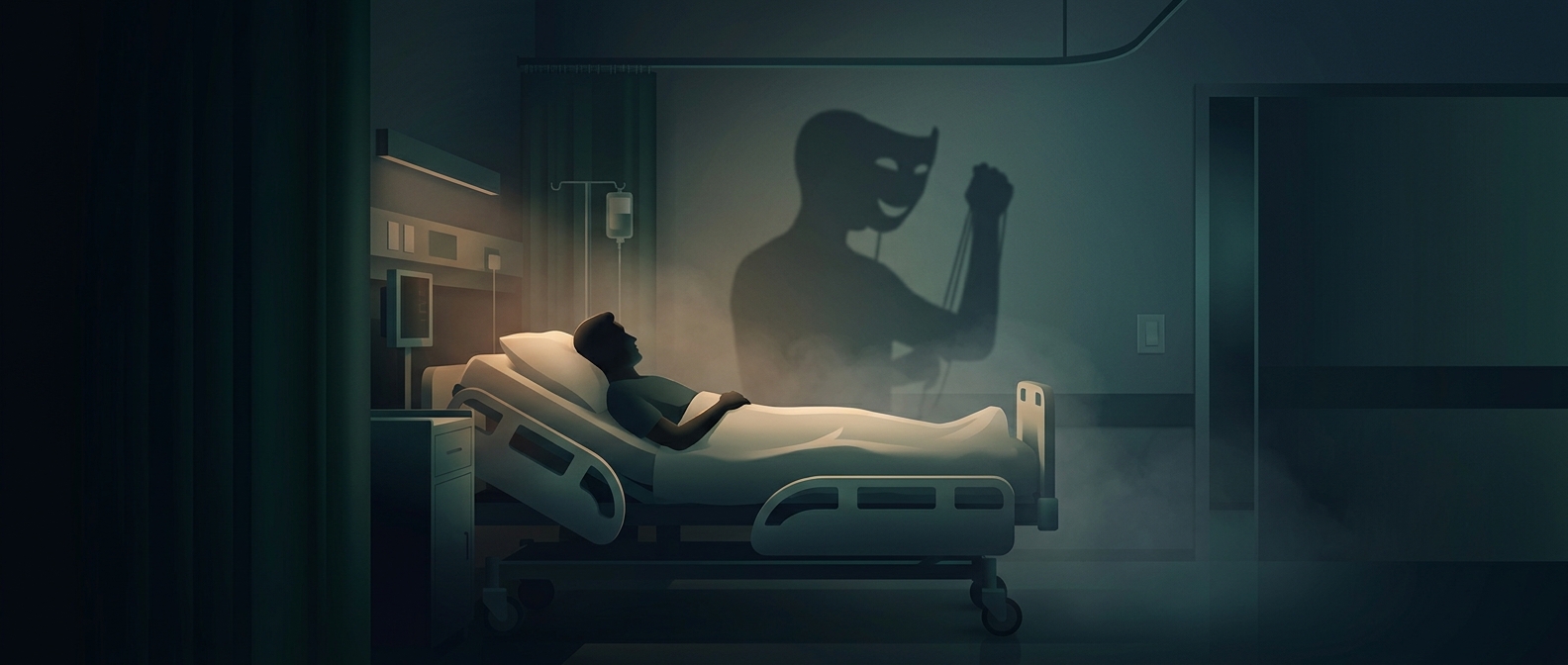
Malingering is faking terminal illness for a hospital bed
Malingering means deliberately inventing or exaggerating symptoms for an outside payoff. A person might claim a grave illness to gain access to a hospital…
Discover more
Why trusting people can make you an easy target
When you expect honesty, you may treat a stranger’s confident explanation as enough and skip the questions you’d ask if you were suspicious. That generosity…
Discover more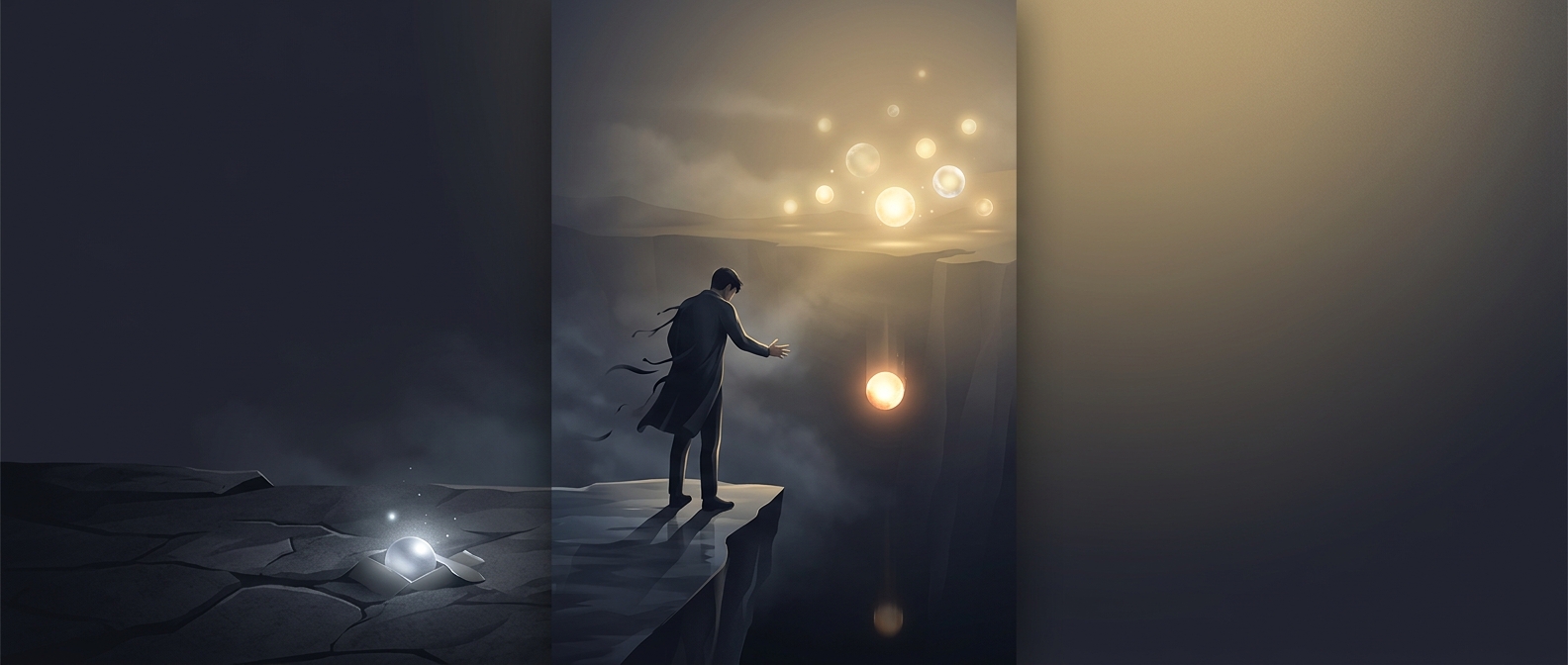
Why losing something hurts more than gaining it
A loss starts from something you already count as yours. Giving up a ten-dollar bill feels like falling below your current position; finding ten dollars feels…
Discover more
Why dreams of falling feel so unsettling
As you drift into sleep, your muscles can twitch and your sense of balance loses its usual stream of waking information. Your dreaming mind may turn that odd…
Discover more STACKY FOR IPHONE
A bigger world.
One discovery
at a time.
Keep discovering with Stacky. Interesting facts in an app that is always within reach.

Future events are expected to be overwhelmingly positive
A future plan often comes with a mental trailer: the new job, the finished project, the version of you who finally has it together. People tend to picture…
Discover more
Why holding your bladder can make lying easier
Holding your bladder means repeatedly suppressing the urge to go. That effort to inhibit an impulse may spill into another task that requires control, like…
Discover more
Why forbidding something can make it irresistible
A ban puts the forbidden option in the spotlight and makes your freedom feel smaller. Wanting it can become a way to push back, even if you weren’t especially…
Discover more
Why sharing secrets can create instant intimacy
A secret changes the conversation from public information to something entrusted. That vulnerability invites the other person to treat you with care, and…
Discover more
Mirroring someone's posture can make them like you
A person leans back; a moment later, you do too. That quiet mimicry can smooth social interaction, making the other person feel understood and more…
Discover more
Why cynics are worse at spotting lies
Cynics often expect people to deceive them, so they may read ordinary behavior—looking away, stumbling over a word—as evidence of a lie. Those cues are…
Discover more
Bad memories can lose their sting faster than good ones lose their glow
Researchers call this pattern the fading affect bias. The emotional intensity attached to negative autobiographical memories often declines more than the…
Discover more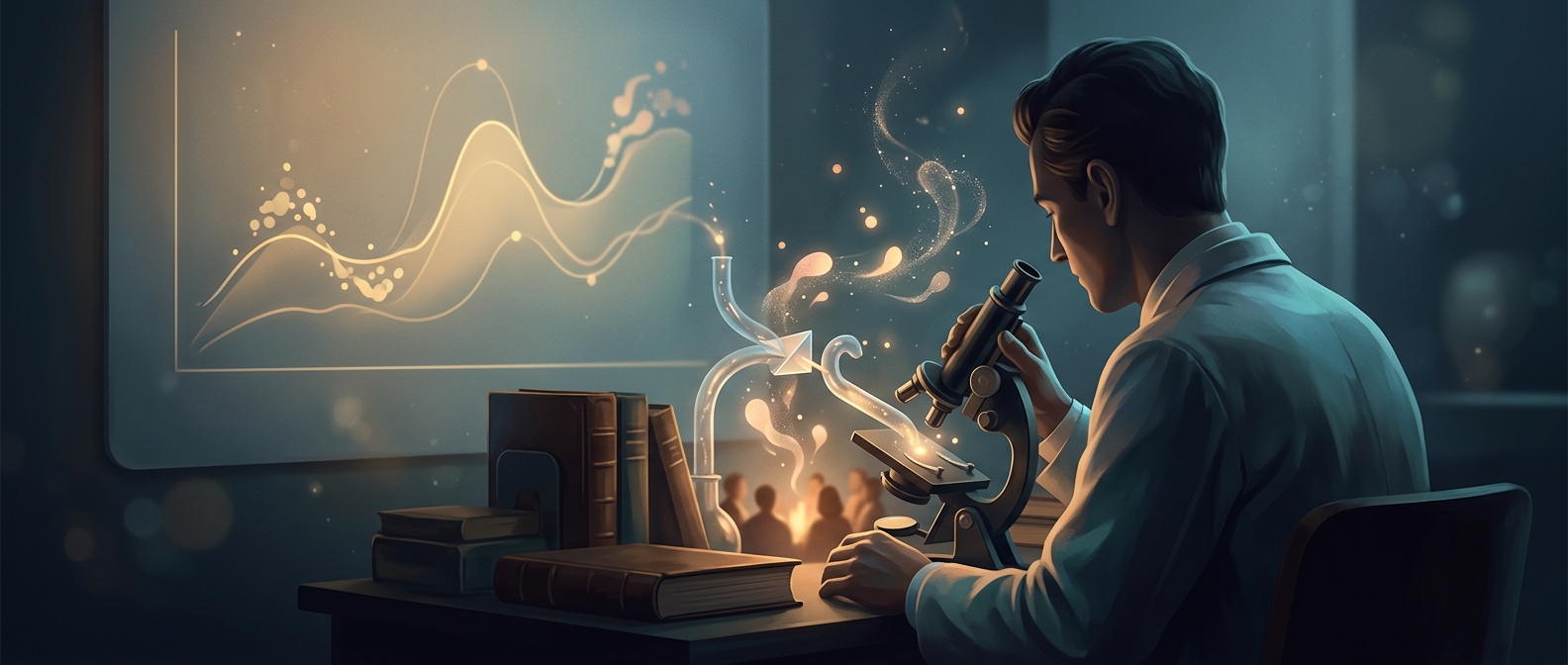
Gelotology is the scientific field dedicated to laughter
The scientific study of laughter has a name: gelotology. Researchers in the field can ask why a joke gets a laugh, why people laugh together, and how laughter…
Discover more
Why fake designer clothes may make cheating easier
Putting on a fake designer label can make a person feel less authentic, and that feeling can spill into how they judge their own behavior. In experiments,…
Discover more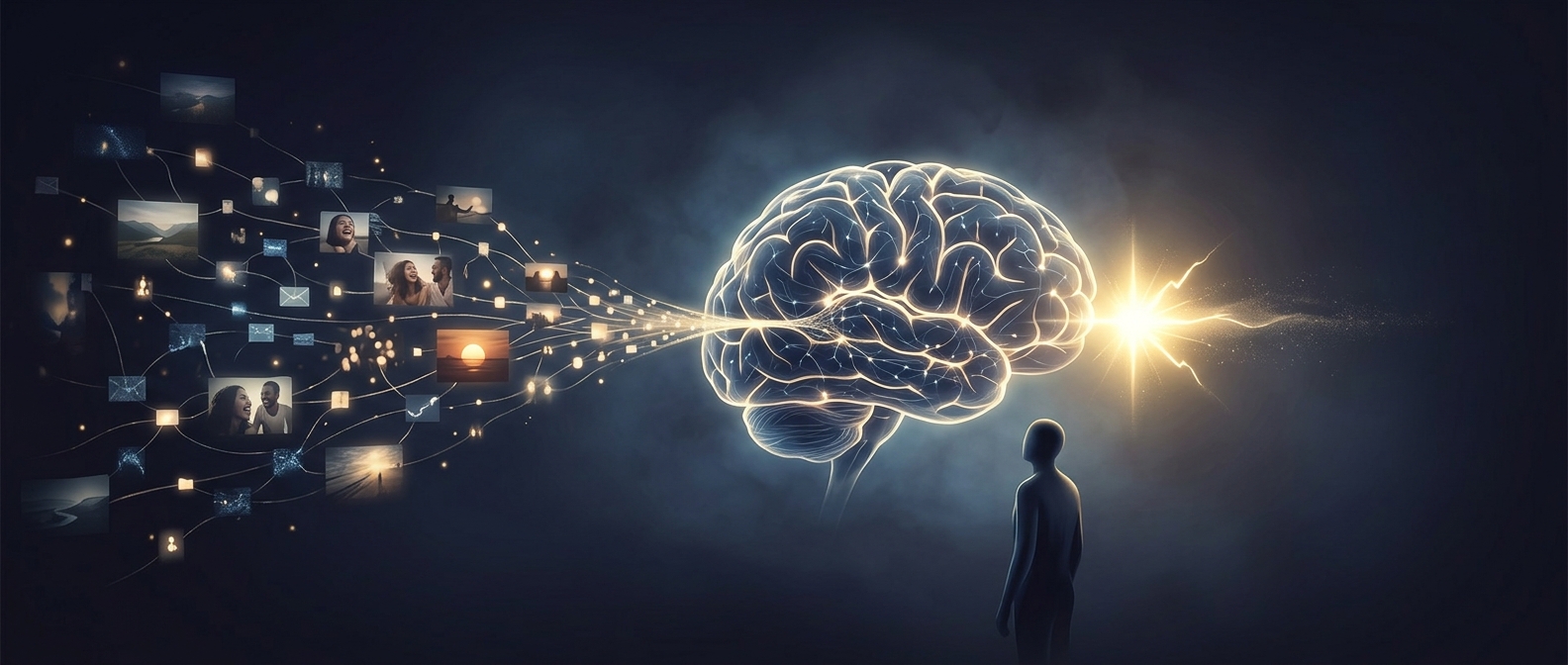
Why a three-hour event survives as a five-second memory
Your memory doesn’t replay the whole event like security footage. It gives extra weight to the most intense moment and the ending, then uses those snapshots…
Discover more
Why turning down the radio helps you park
Parking asks you to track distance, angles, mirrors, and moving cars at once. If the radio is competing for attention, turning it down frees some mental space…
Discover more
Why we want to believe bad people get what they deserve
When someone cruel prospers or an innocent person suffers, the world looks frighteningly random. Believing that people get what they deserve patches the hole:…
Discover more
Why smiling at angry customers is so exhausting
Smiling at an angry customer means managing two reactions at once: the emotion rising inside and the friendliness your job requires outside. Keeping the…
Discover more
Why love can dull physical pain
When someone you love is near, your mind has a powerful cue that you are not facing the moment alone. That sense of connection can change how threatening pain…
Discover more
Why confidence can beat accuracy
When you don’t know the answer yourself, confidence becomes a shortcut: you judge the speaker’s certainty instead of checking the claim. That can make a…
Discover more
Why giving money away can make you happier
Giving someone money can make you happier because you get to see yourself affect another person’s day. The gift turns spending into a social connection: you…
Discover more
Your brain can adopt a rubber hand as its own
Hide your hand, watch a rubber one being stroked, and feel matching touches on your unseen fingers. Because what you see and feel line up, your brain can…
Discover more
Freud once prescribed cocaine for stomach aches
Freud treated cocaine as medicine, not as a street drug: he recommended it for ailments that included stomach aches. At the time, its stimulating effects made…
Discover more