How a prohibition can create a new urge
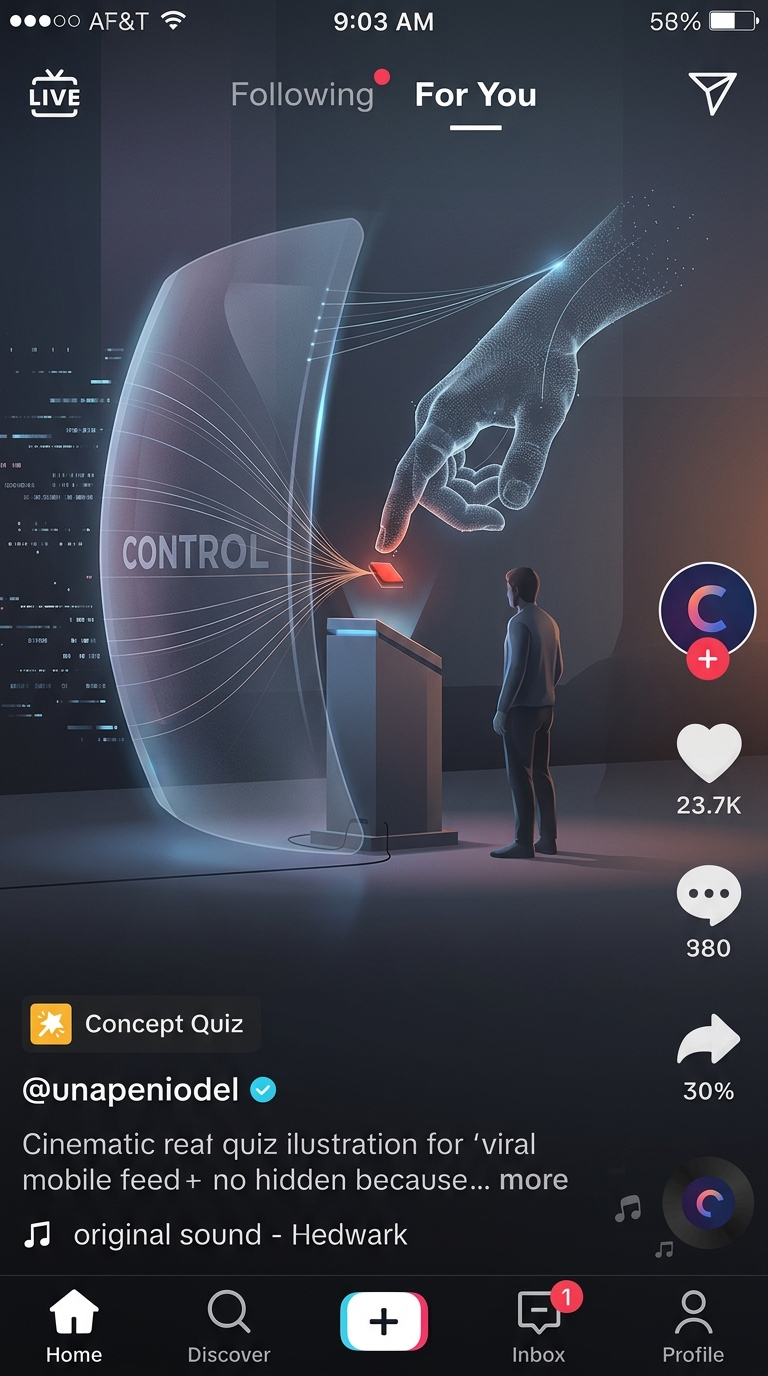
A rule can change more than what you are allowed to do: it can make the choice itself feel more important. Psychologists call the resulting response psychological reactance—motivation to restore a freedom that seems threatened. The impulse is not simply “I want that thing.” It can be “I want to decide for myself.”
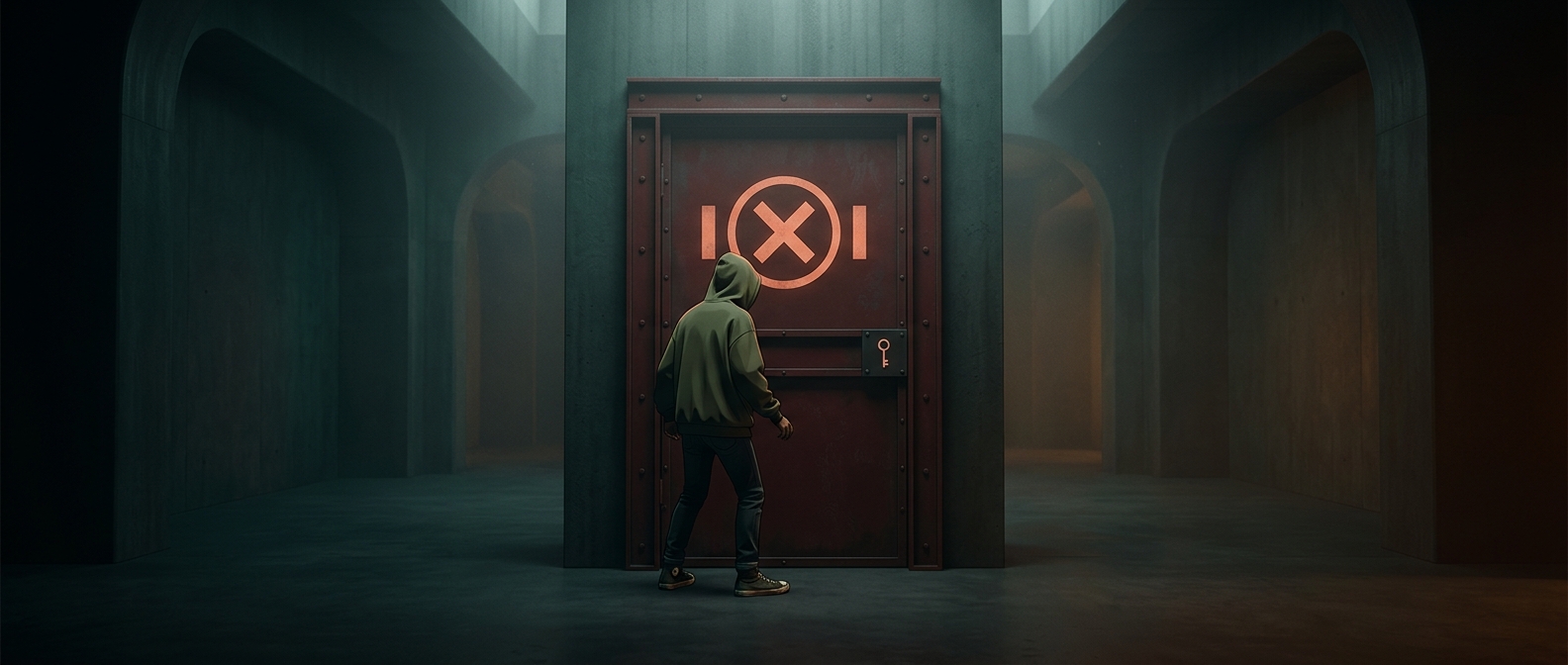
That shift helps explain why a person may become drawn to an option they barely noticed before a restriction appeared. The ban marks it as special, directs attention toward it, and makes the lost choice easier to imagine. If the rule feels controlling, choosing the forbidden option can also become a small way to reclaim autonomy.
Why the effect depends on the rule
Reactance is more likely when someone believes a choice was theirs to make and sees the restriction as an unnecessary threat. A limit that feels protective, fair, or freely accepted may provoke less resistance than one that feels arbitrary or imposed. The response also varies: some people argue, seek ways around the rule, or become more interested in the restricted option; others comply without much conflict.
The forbidden option does not automatically become irresistible. A prohibition can even reduce access and dampen interest. But when it heightens attention while also making freedom feel constrained, it can backfire: the rule intended to close off a choice may leave that choice occupying more of the mind than before.