Why a small choice can change a stressful moment
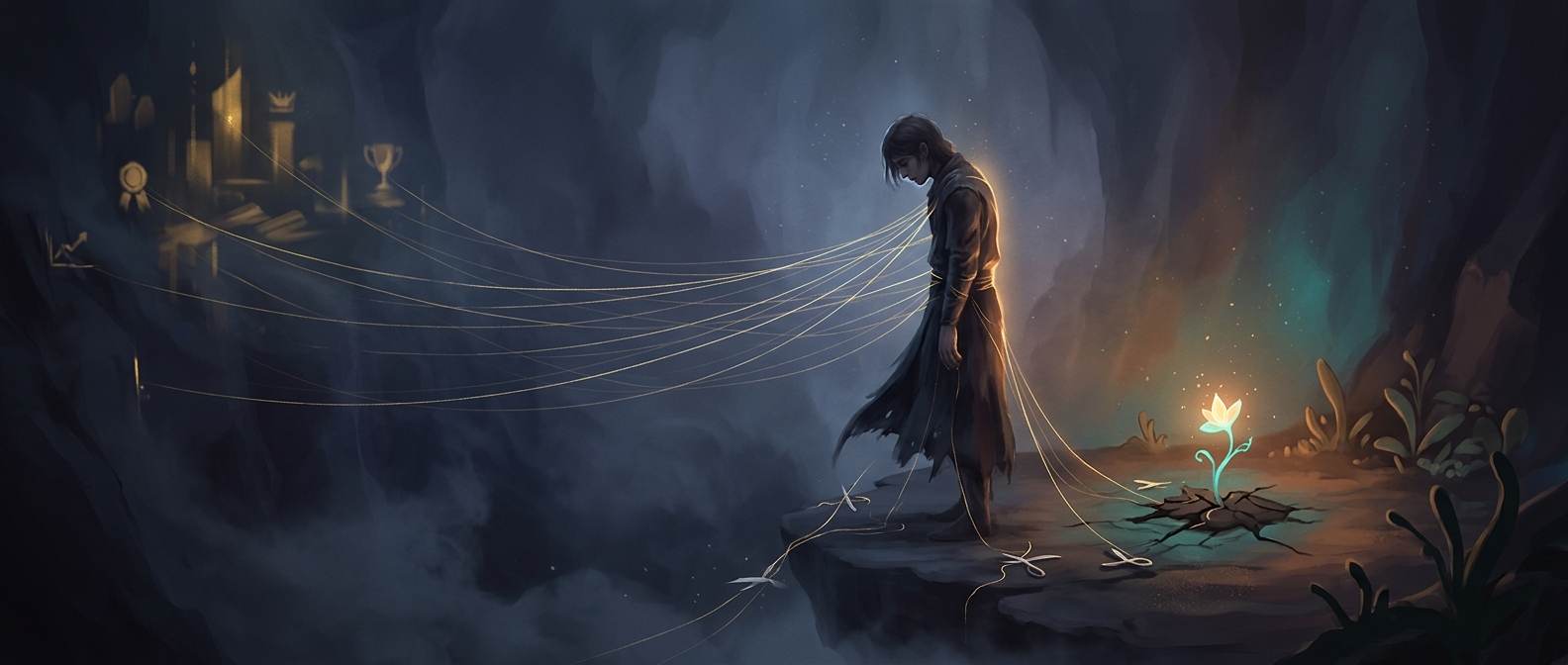
Stress often comes with a sense that events are happening to you: the inbox keeps filling, the appointment is fixed, and the next demand arrives before you have caught up. Choosing which task to handle first does not remove those demands, but it can change your role in the moment. You become a participant in deciding what happens next, rather than someone simply being pushed along.
Psychologists call this sense of influence perceived control. It matters even when control is limited. A manageable decision can make a situation feel less like one large, unstoppable problem and more like a sequence of steps you can act on.
The choice works by narrowing the next step
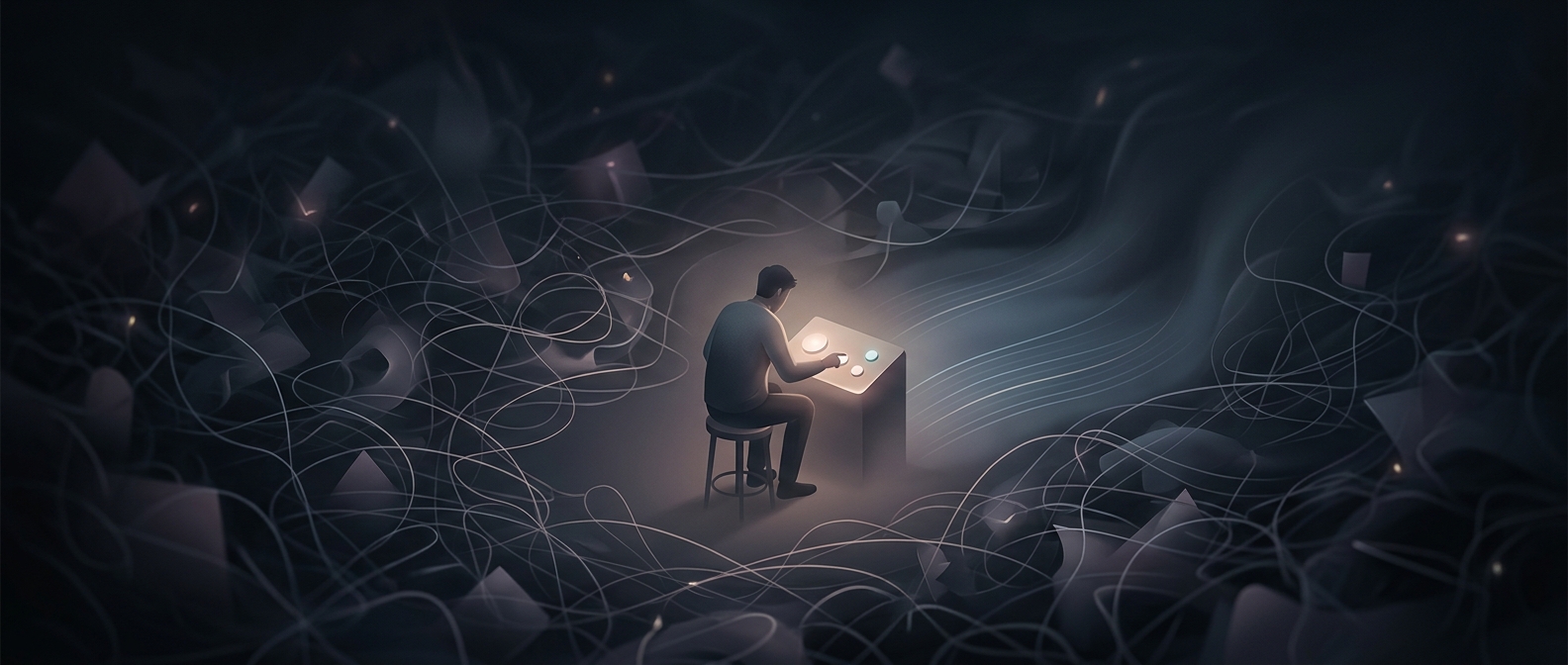
A stressful day can also overload attention. When several unfinished tasks compete in your mind, each can feel urgent at once. Picking one concrete action—reply to the time-sensitive message, then make lunch—gives attention a temporary target. The benefit is not that the choice magically makes the workload smaller; it reduces the uncertainty about what to do now.
The choice is most useful when it is real but bounded. Deciding between two reasonable tasks can restore a little direction. Trying to optimize every detail, or making a decision with no acceptable options, may add another burden instead.
Agency is not the same as solving the problem
Small choices cannot make an unsafe situation safe or erase demands that need outside help. They can, however, create a foothold while a larger problem remains. If a day feels unmanageable, choosing the next practical action—rather than planning the entire day at once—can turn a vague feeling of helplessness into something specific enough to begin.