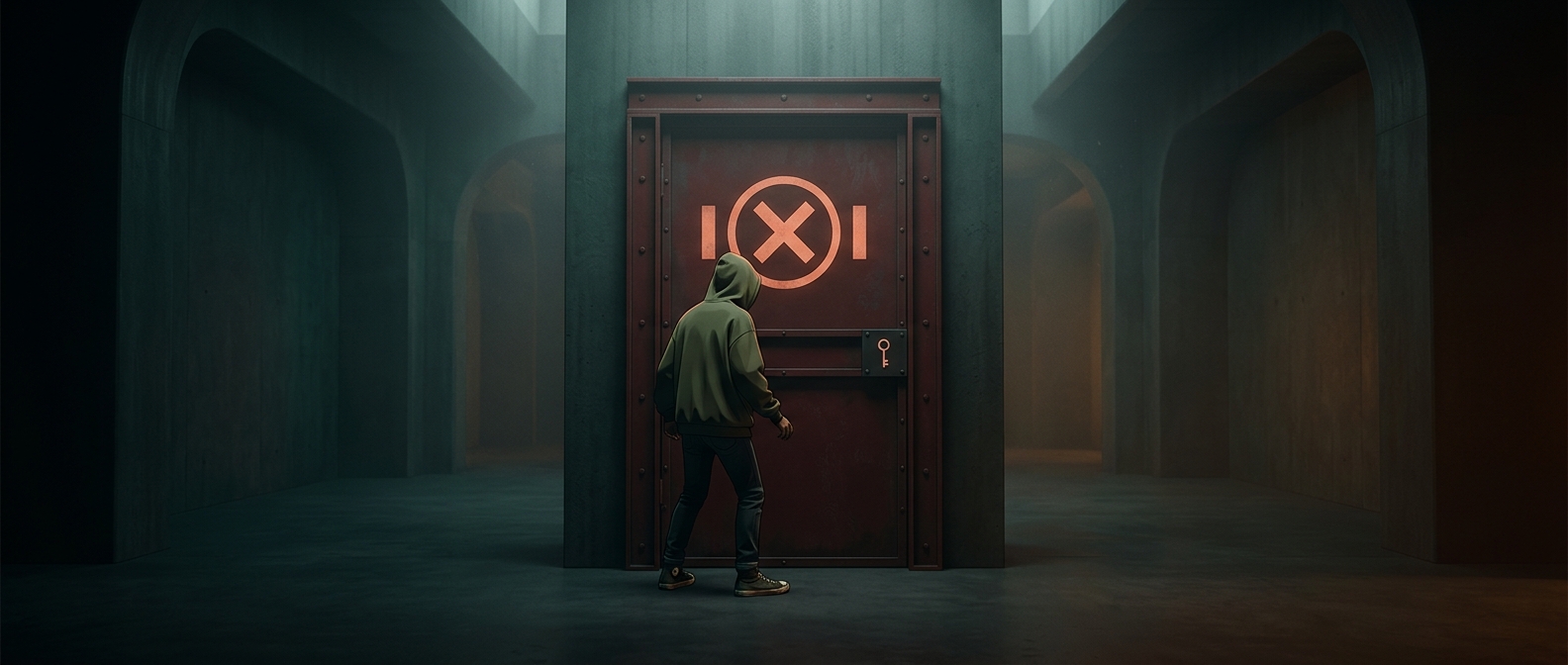
Why a simple request can feel like a challenge
A direction does more than suggest an action: it can imply that someone else gets to decide. When people sense that a choice is being taken away, they may experience psychological reactance—an uncomfortable push to reclaim their freedom. The response can be less about whether the requested action is sensible and more about resisting the pressure attached to it.
That is why “You have to” may provoke a different reaction from “Would you consider?” The first can make the decision-maker feel cornered; the second leaves room to choose. The effect is especially likely when the choice matters to someone or the demand feels controlling. It is not automatic: people can still follow instructions they dislike, particularly when they trust the person asking or see a good reason.
Resistance can still be steered
Defiance may feel self-directed, but it can keep the original demand at the center of the decision. If someone says, “Don’t wear that,” choosing the outfit specifically to oppose them is not quite the same as choosing it for independent reasons. The person pushing the instruction has narrowed the options into a contest: obey or rebel.
This is why reverse psychology can sometimes seem to work. A person may reject the stated suggestion to prove they are not being controlled. But the tactic depends on provoking that sense of pressure, and it can backfire if the other person recognizes the maneuver or feels manipulated.
A way out of the contest
To reduce needless resistance, offer a reason and preserve meaningful choice: explain what matters, then let the other person decide how to respond where possible. That does not guarantee agreement, but it shifts the interaction away from a test of authority. The practical distinction is between choosing an action because it makes sense and choosing it mainly to prove that nobody else can choose for you.