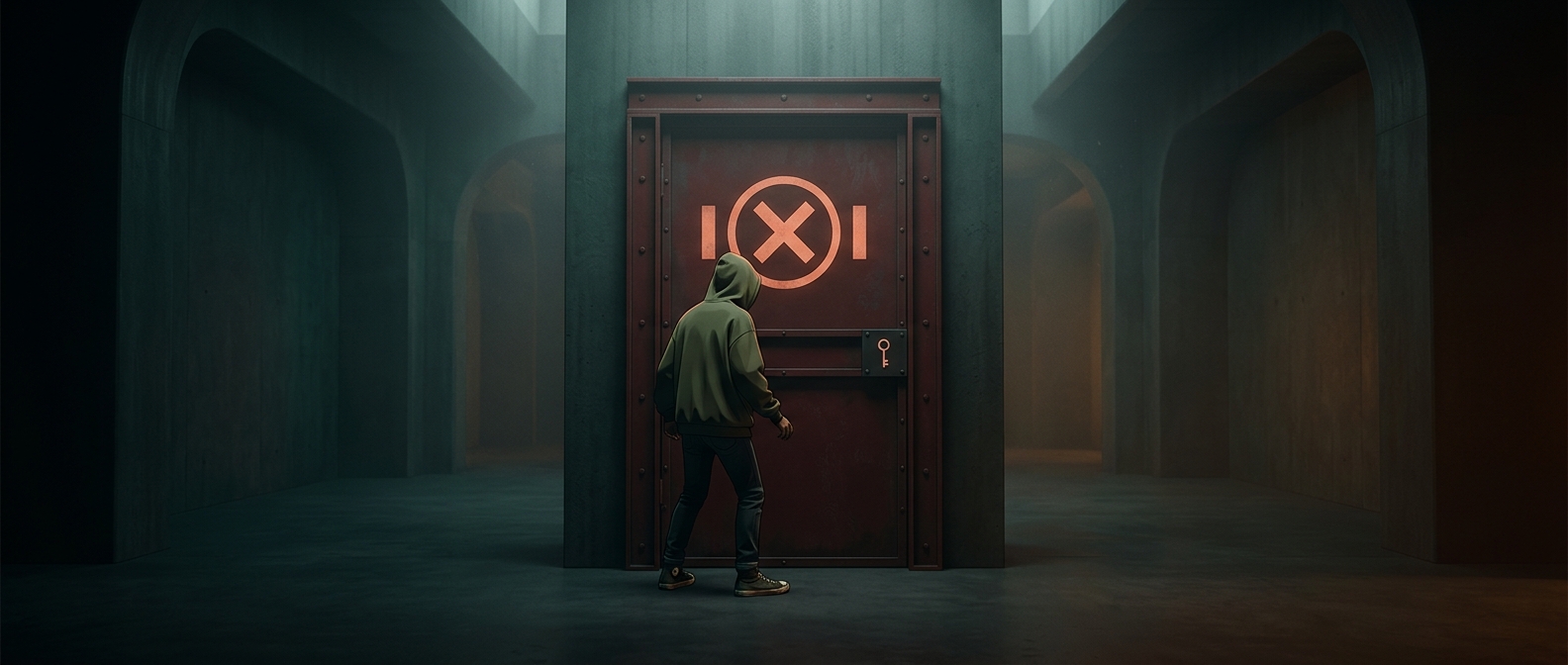
How a restriction can turn into a challenge
Psychologists use reactance to describe the pushback people feel when they believe a choice or freedom is being threatened. It is not simply wanting an object more because it is rare. The rule can make the choice itself feel important: choosing the prohibited option becomes a way to reassert control.
That shift can happen quickly. A person who had little interest in a snack, a book, or a plan may start thinking about it once someone says it is off-limits. The restriction draws attention to the option and gives it a new meaning: taking it now can feel like proving that the decision still belongs to them.
Why the effect can linger
Reactance can also make people focus on what the rule prevents. Instead of weighing the option on its merits, they may rehearse reasons it is appealing and notice every reminder that it is unavailable. That extra attention can keep the desire active—even when the original attraction was modest.
The response is not automatic. A rule that seems reasonable, necessary, or freely accepted may provoke little resistance. But when a restriction feels arbitrary or controlling, the forbidden choice can become a symbol of independence. That is why a blunt “because I said so” can sometimes make the thing being denied harder to forget.