Why the finished picture comes first
When people imagine a future plan, the mind can jump straight to its satisfying endpoint: the offer accepted, the room renovated, the project complete. That scene is easy to picture because it is coherent and emotionally rewarding. The route to it is less tidy. It involves waiting, coordination, setbacks, and choices that have not yet been made.
This difference can make a desired result feel more likely than the steps required to reach it. The optimism is not necessarily a conscious decision to ignore risk; it can arise because the appealing outcome is more vivid in imagination than ordinary obstacles are.
A forecast is not a plan
A mental picture of success can help clarify what someone wants, but it does not show whether the schedule, resources, or next actions are realistic. If the imagined future skips over the process, a person may underestimate how long a task will take or how easily another commitment can disrupt it.
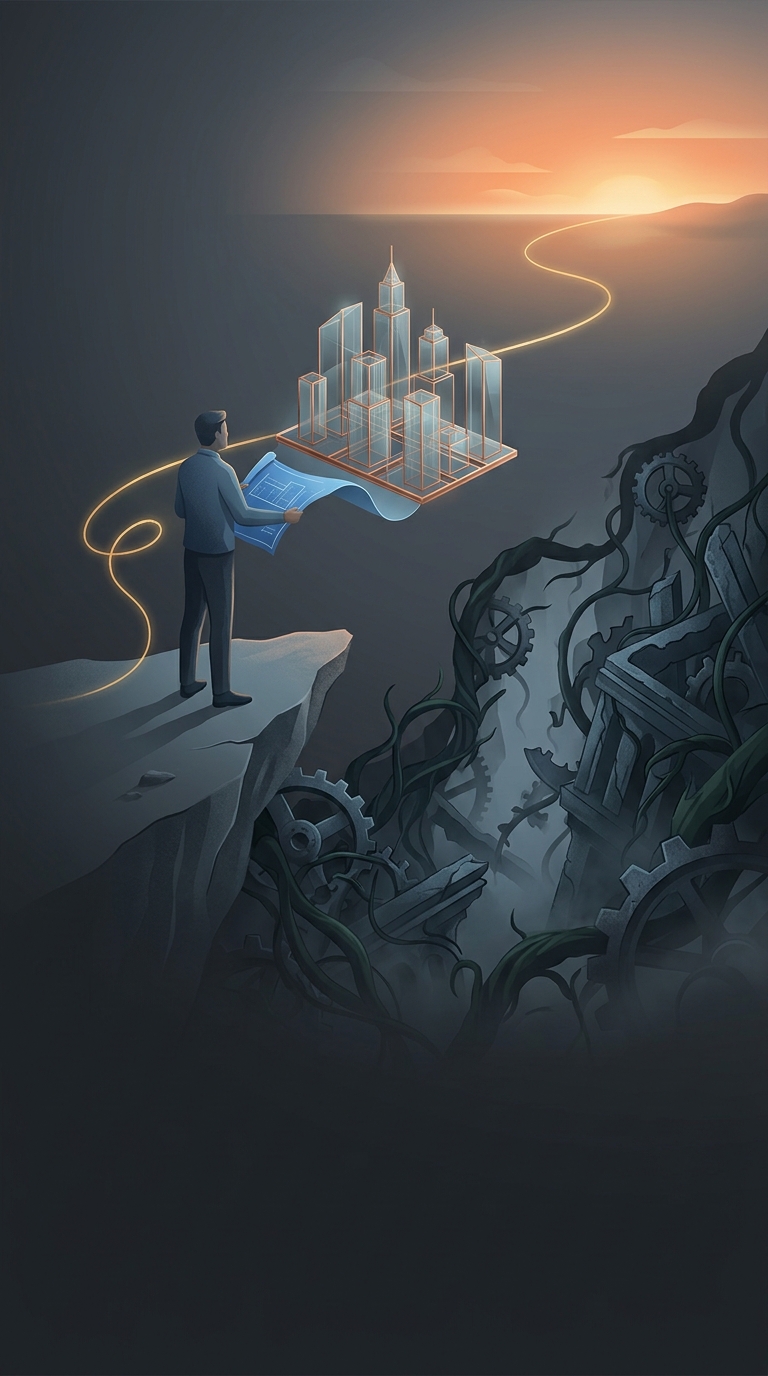
The useful correction is not to abandon the goal, but to picture the path as well as the destination. Ask what must happen first, where delays could arise, and what you would do if they did. Turning a vague obstacle into a specific response—“If the meeting runs late, I’ll move the errand to Saturday”—makes preparation easier to act on.
Keep the hope; add the friction
A positive forecast can provide motivation, while a practical forecast gives that motivation somewhere to go. The finished-project image may get you started; the calendar, contingency, and first concrete step are what make it more than a mental trailer.