Why danger feels closer to other people
A disaster story arrives with a clear victim, a vivid image, and a finished outcome. Your own future arrives as a blur of ordinary days. That difference makes other people’s bad luck easier to picture than your own—not because you believe danger is impossible, but because someone else’s misfortune is already concrete while yours remains hypothetical.
Psychologists call one version of this optimism bias: people often judge negative events as less likely to happen to them than to others. It can show up even when they understand the general risk. “Car crashes happen” and “I might crash on this trip” are not equally vivid thoughts.
Familiar routines can feel like protection
The mind also uses routines to make life feel predictable. If a person has driven the same route many times without incident, that history can feel like evidence that the next trip will go the same way. Familiarity is real, but it does not guarantee safety; it can simply make risk easier to overlook.
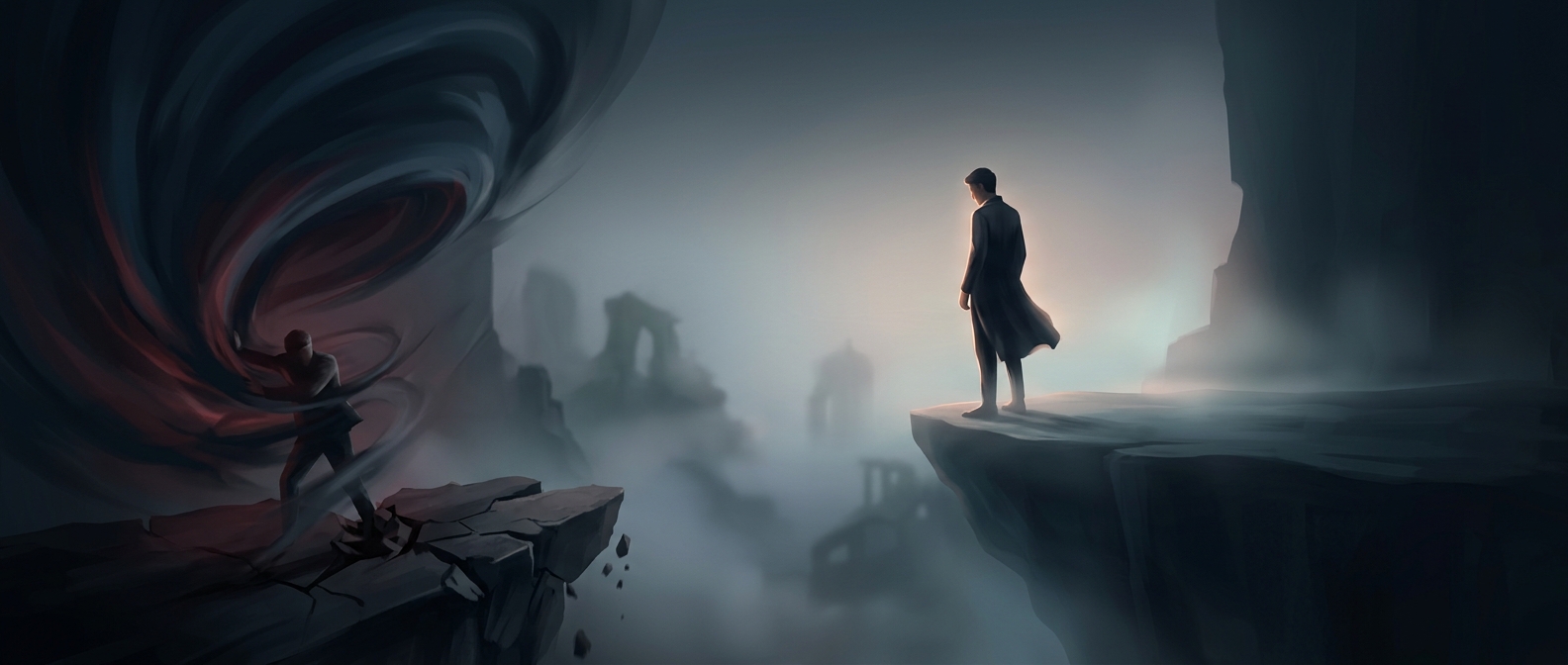
There is a second asymmetry: people know their own intentions and precautions, but see other people mainly through the outcome. You may think, “I’m careful,” while imagining someone else’s misfortune as a random event. That can create a comforting sense of personal control, even when circumstances are partly beyond anyone’s control.
Turning a general risk into a personal one
A useful counter is to make the next situation specific. Instead of asking whether accidents happen, ask what could go wrong on this particular drive, and what small action would reduce the chance or severity of harm. A seat belt matters precisely because good intentions and a long record of uneventful trips cannot control every moment on the road.
The unsettling split is that a person can sincerely fear a disaster in the news and still neglect a simple precaution nearby. The headline feels real because it has already happened; prevention depends on treating an unseen possibility as real before it does.