Psychology
Discover facts about psychology. Small discoveries that change the way you see familiar things.
Psychology
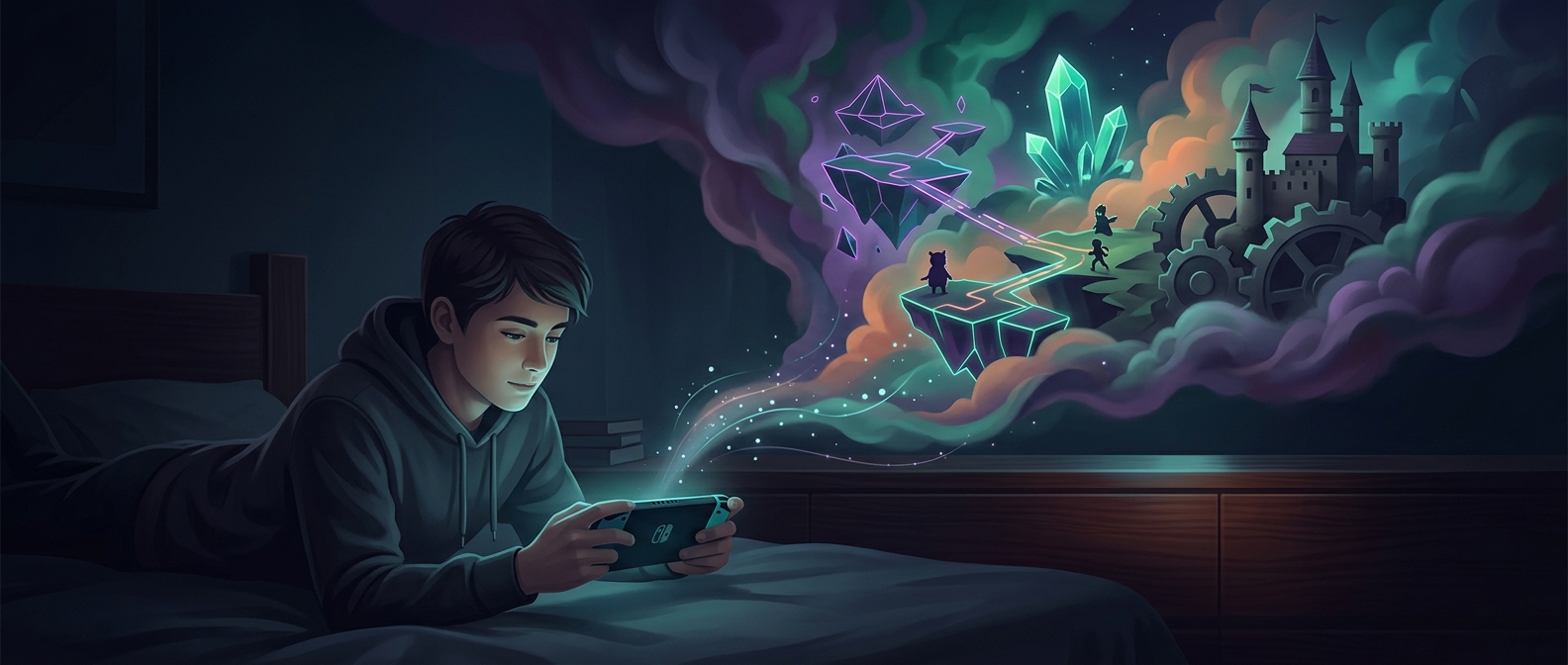
Some research links gaming with recognizing that you're dreaming
Studies of gamers have reported associations with lucid dreams, in which the dreamer knows the experience is a dream. Navigating virtual environments offers a…
Discover more
Why suppressing sadness can leave you cold
When you force sadness down, you’re not only hiding it from other people; you’re managing it inside your own attention. The work of holding back can crowd out…
Discover more
Absurdism laughs at the lack of universal meaning
You can spend your life demanding a final answer from a universe that never promised to provide one. Absurdism finds something laughable in that collision…
Discover more
Why experiences outlast new furniture
A purchase often becomes familiar once it’s yours, so the first rush fades into daily life. Experiences keep showing up in memory, conversation, and the way…
Discover more
How clan tags turn gamers into rival tribes
A clan tag turns strangers in a game into “us” and everyone else into “them.” Once the label gives players a shared team identity, a rival’s move can feel…
Discover more
Why $1,000 can feel more luxurious than $999
A price of $999 whispers “deal”; $1,000 sounds like a deliberate luxury purchase. Prices ending in 9 are often used to signal a bargain, while a round number…
Discover more STACKY FOR IPHONE
A bigger world.
One discovery
at a time.
Keep discovering with Stacky. Interesting facts in an app that is always within reach.

Talking to a stranger can go better than you expect
Across seven studies, researchers compared people's worries before conversations with their experiences afterward. Fears about enjoyment and being liked were…
Discover more
One symptom search can turn into a fear spiral
Searching repeatedly for reassurance exposes you to more alarming possibilities. That raises anxiety, which creates another urge to search. In cyberchondria,…
Discover more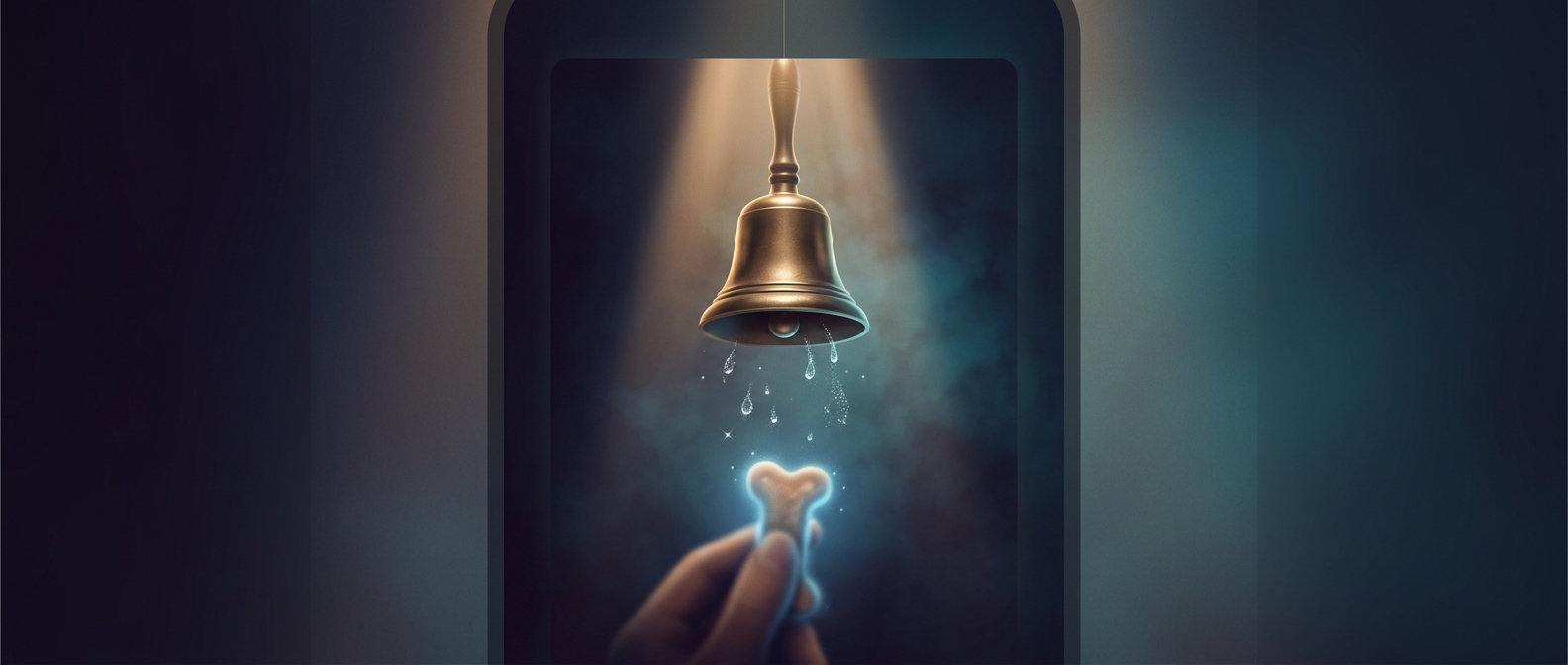
Ringing bells can trigger biological salivation
The bell doesn’t contain anything edible; its power comes from what it has predicted. After enough pairings with food, hearing it can cue the body to prepare…
Discover more
Why learned helplessness makes escape feel impossible
Repeatedly facing events you can’t control can teach you to stop looking for control. That lesson can outlast the situation that taught it, so a new…
Discover more
Why cheat bans are sometimes delayed for months
If every cheater vanished the instant a system flagged them, the rest could study the timing and change tactics. A delayed ban gives game makers time to…
Discover more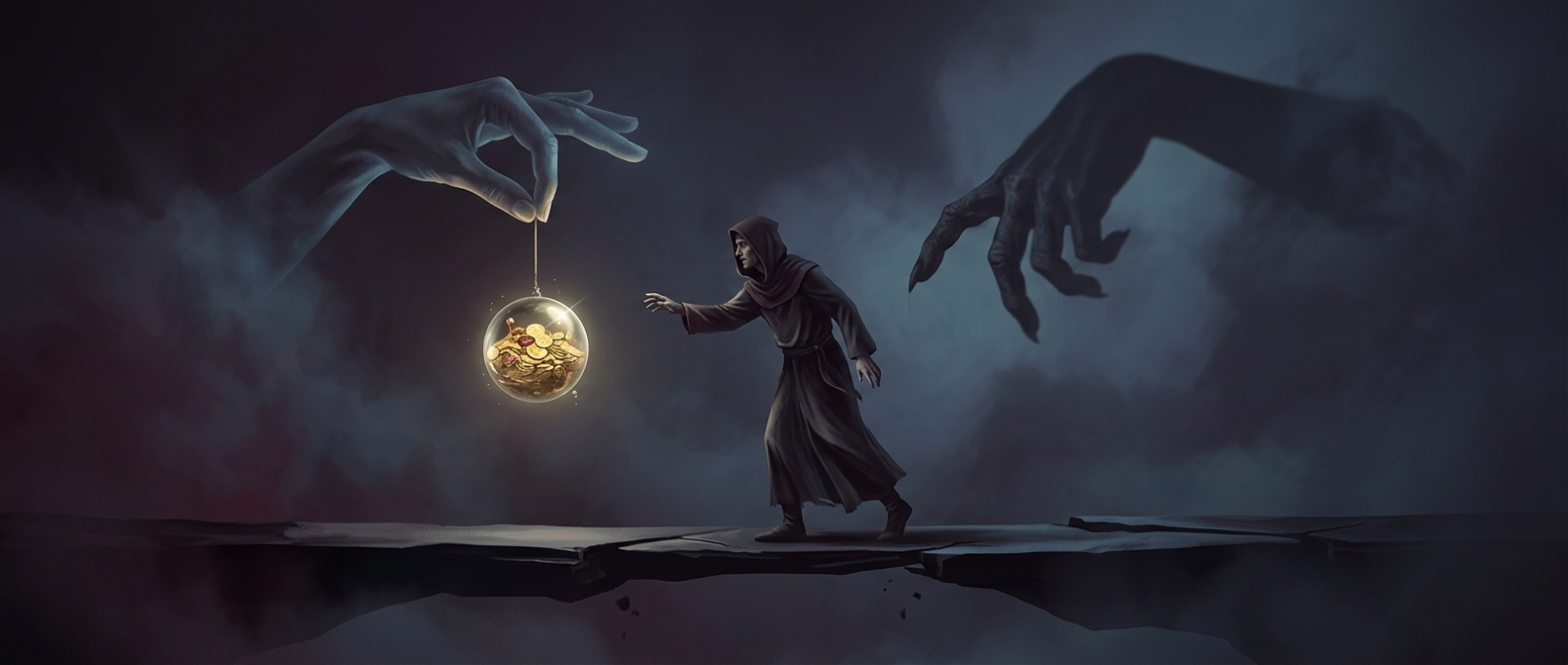
Extrinsic motivation relies entirely on bribes and threats
Extrinsic motivation makes the payoff or penalty the reason to act: finish the chore for money, or avoid trouble by following the rule. The task becomes a…
Discover more
Relearning old information takes a fraction of the time
The second time through, the material isn’t truly new. Some of the connections and cues from the first learning remain, even when you can’t call them to mind,…
Discover more
Why a two-hour task takes all week
The task may take two hours; starting it can feel like the hardest part. If it looks boring, confusing, or unpleasant, putting it off brings immediate relief.…
Discover more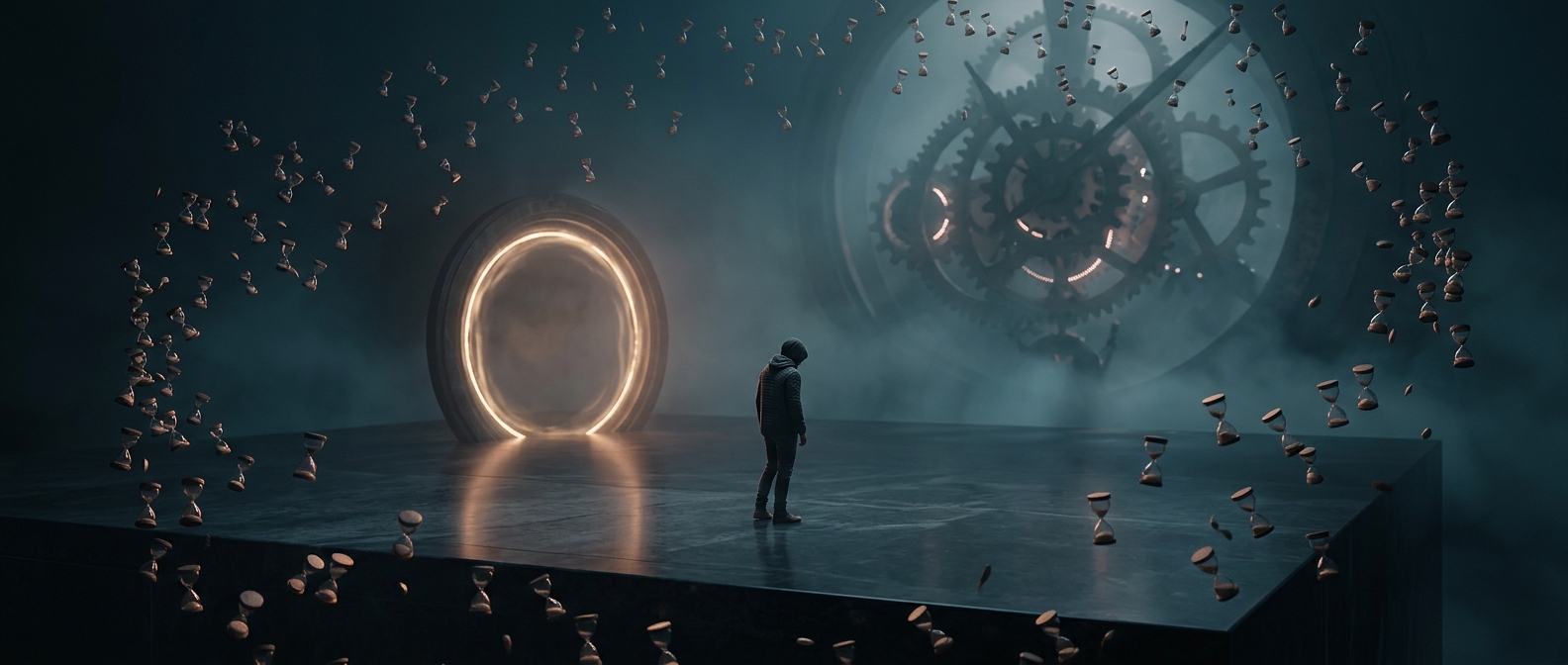
Why watching the clock makes time drag
When you keep checking the clock, your attention keeps returning to the passage of time. Each glance makes the minutes more noticeable, so a wait that might…
Discover more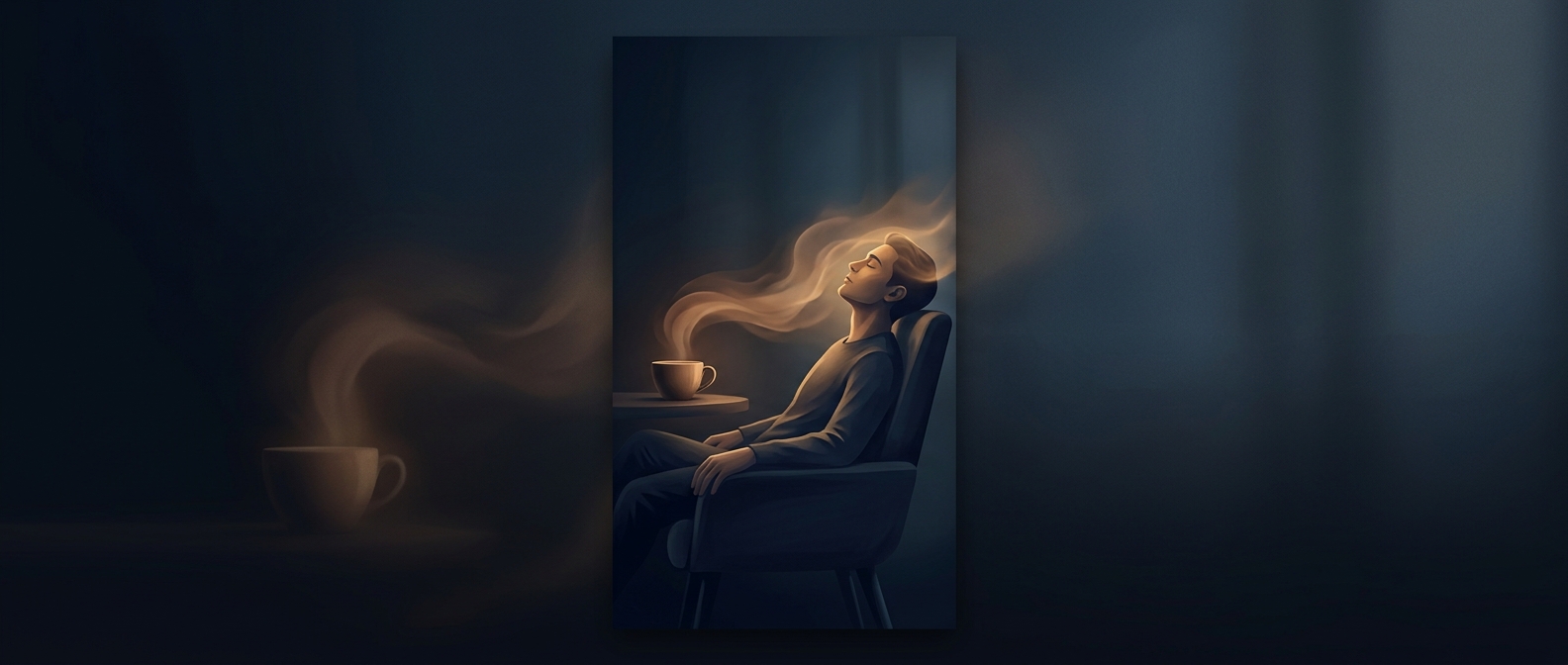
In one experiment, coffee's smell helped without any caffeine
A 2018 study found that people tackling an analytical reasoning task did better in a coffee-scented room than an unscented one. The researchers linked the…
Discover more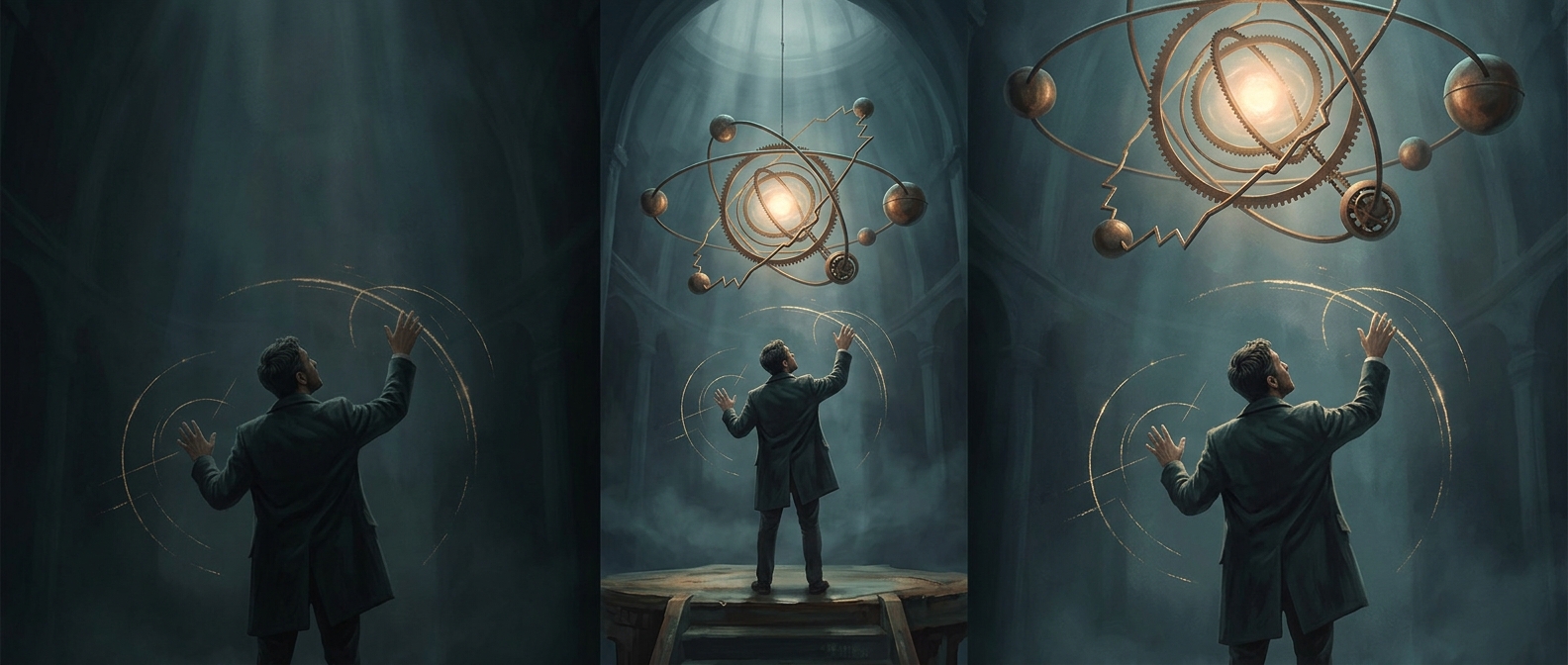
Clinging to highly flawed intuitive rules of how objects move
When a cart rolls across rough ground, it slows unless someone keeps pushing. That everyday experience can make continuous motion feel as if it requires…
Discover more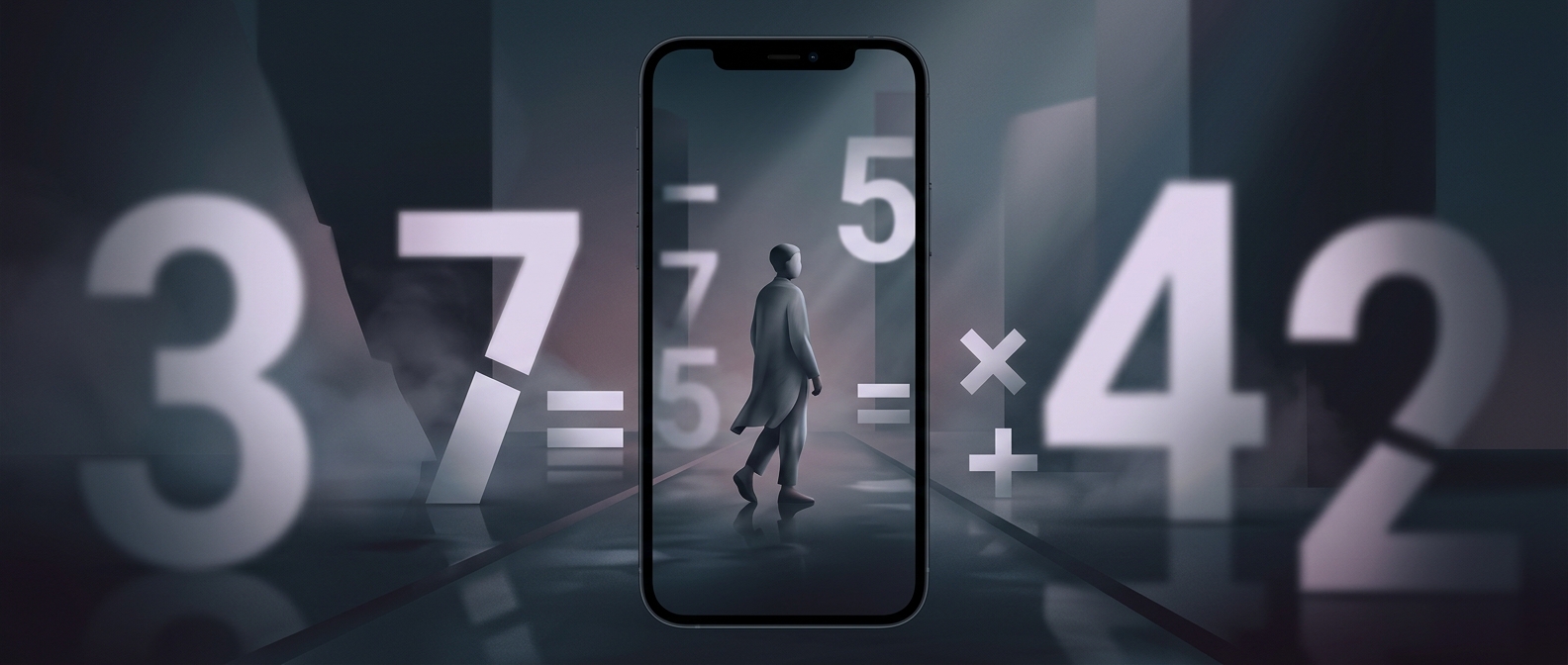
Ganser syndrome is known for answers that narrowly miss the obvious
Case reports describe people giving approximate answers to simple questions, such as saying a horse has five legs. The pattern is rare and its interpretation…
Discover more
Practicing beyond mastery locks in permanent pathways
Getting a skill right once proves you can do it; practicing it beyond that point helps make it automatic. Repeated practice strengthens the route from cue to…
Discover more
Why you can sleep ten hours and still need a nap
Your body doesn’t count sleep like hours on a receipt. A long stretch of light or broken sleep may leave you short on the deep rest you need, while your body…
Discover more
Today’s ordinary moments can shape tonight’s dreams
Your brain doesn’t need a dramatic event to stock a dream. A passing worry, a familiar room, or a detail from today can get woven into sleep’s shifting…
Discover more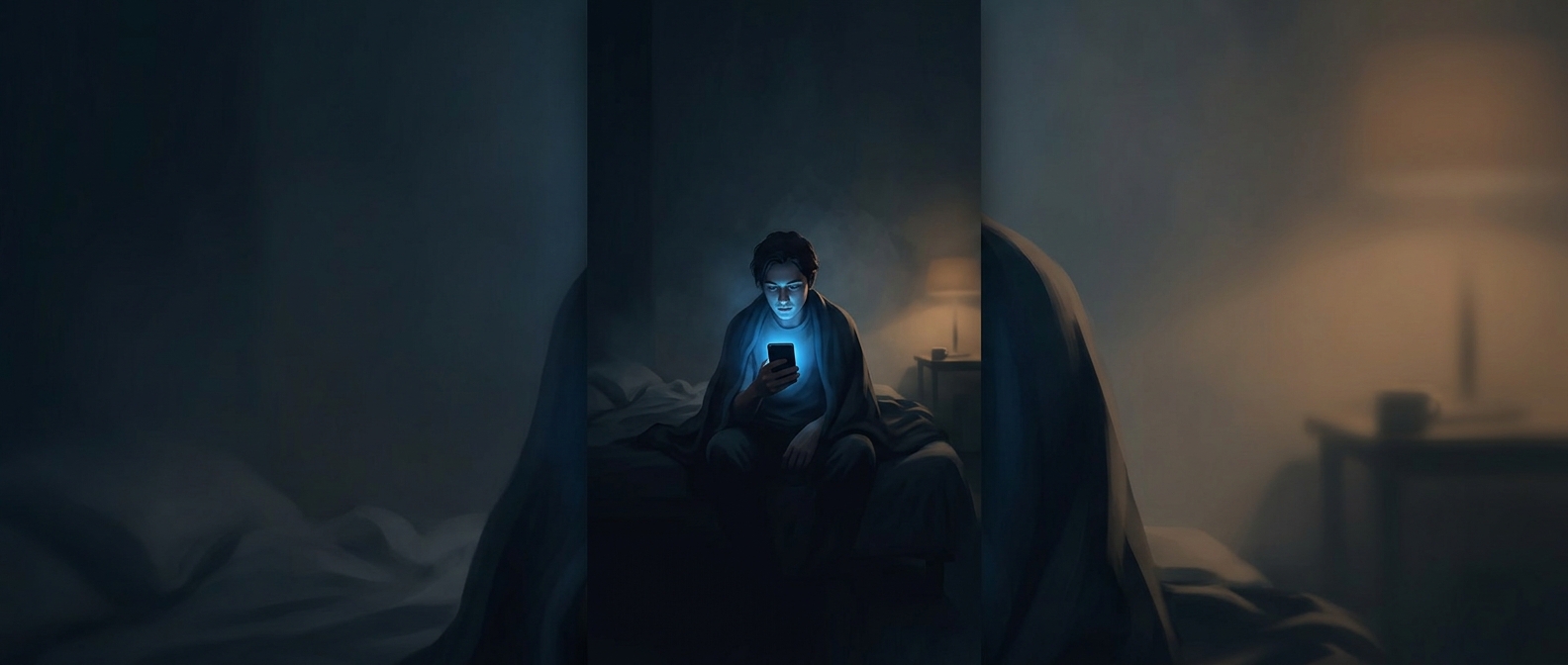
Why you stay up late to reclaim your day
You finally get a quiet hour at night, so you stay up scrolling—even though you’re exhausted. When the day has belonged to work, chores, or other people,…
Discover more
Why success doesn’t silence imposter syndrome
A success can be filed as luck, timing, or a fluke, while the next achievement becomes the new minimum. That lets the evidence pile up without changing the…
Discover more
Using harsher terms deliberately shocks listeners
A deliberately harsh word can jolt a listener because it breaks the expected rules of polite conversation. That jolt pulls attention toward the speaker and…
Discover more