Why bedtime can feel like giving something up
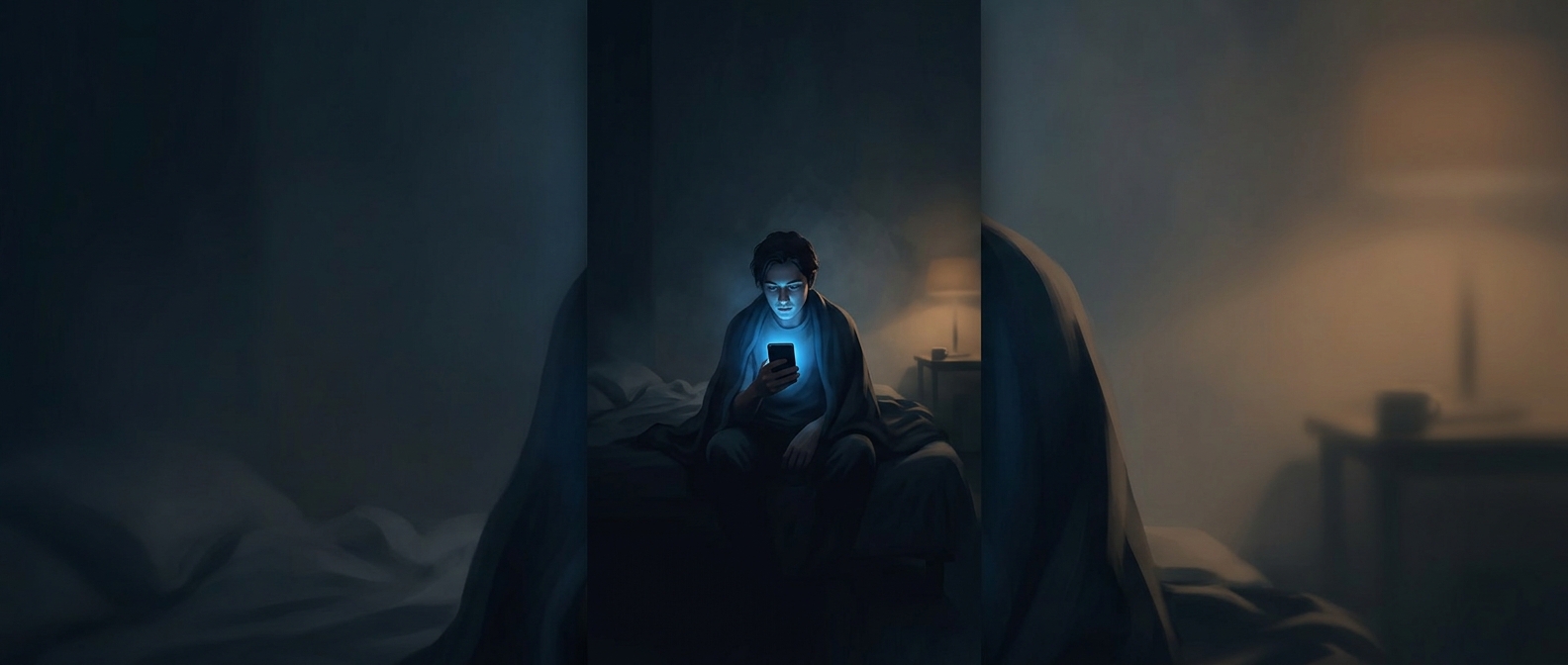
When a day is packed with obligations, free time can become scarce—and scarce time feels especially valuable. The hour before sleep may be the first stretch when nobody is asking for anything. Staying awake to watch videos, browse, or play a game can therefore feel less like a simple habit and more like taking back a piece of the day.
Psychologists often call this pattern bedtime procrastination: delaying sleep even though there is no practical reason to stay up and the person expects the delay to make tomorrow harder. The “revenge” label captures the feeling of reclaiming time, not a conscious plan to punish anyone.
Why the short-term choice wins
Sleep has a delayed payoff: going to bed now may improve how you feel tomorrow. A few more minutes of entertainment, by contrast, offer an immediate reward. When someone is tired, planning and self-control can also take more effort, making the easy, absorbing option especially tempting. Phones intensify the pull because there is always another clip, post, or message—and no natural stopping point.
The result can become a loop. A demanding day leaves little personal time; late-night activity supplies some of it but cuts into sleep; fatigue can make the next day feel harder to manage, leaving less energy for intentional leisure. That does not mean every late night has the same cause, or that the pattern is simply poor discipline. Work schedules, caregiving, stress, and sleep difficulties can all affect what bedtime feels like.
Making room for choice earlier
The useful question is not only “How do I force myself to bed?” but also “What am I trying to get from staying up?” If the answer is quiet, entertainment, or a sense of control, setting aside a small, protected period for that need earlier can make bedtime feel less like surrender. A clear stopping cue—such as finishing one episode rather than starting another—can help too.
The tradeoff is real: reclaiming an hour at night can feel satisfying precisely because the day offered so little choice. The pattern becomes costly when that brief freedom repeatedly leaves too little time for sleep.