Why intense stress can leave you feeling blank
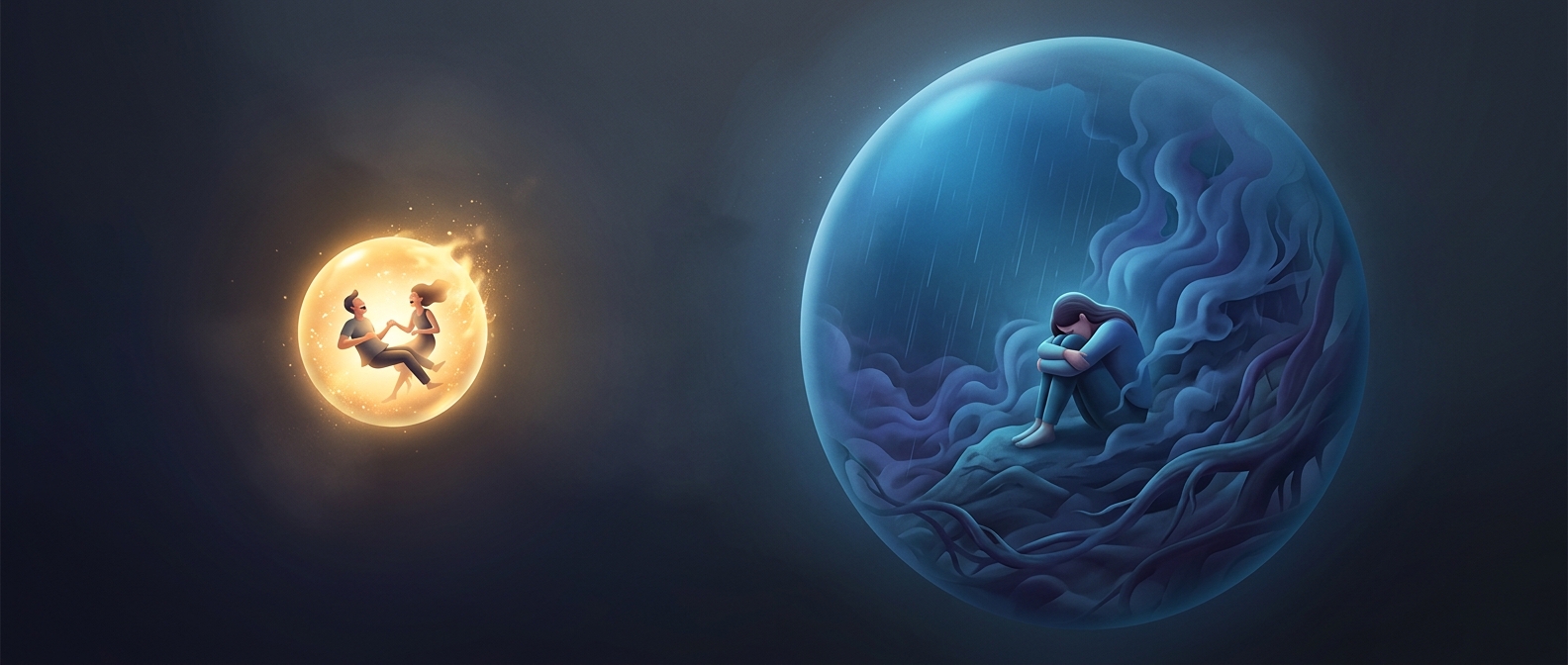
Emotional numbness can happen when a crisis demands more attention than a person can manage at once. The mind may narrow its focus toward getting through the immediate situation—following instructions, finding safety, or handling the next practical task—while feelings become muted or hard to access. This is not usually a deliberate choice. It can feel as if the event is happening at a distance, even while the person is functioning.
A short-term buffer, not an absence of impact
Stress responses do not always look like panic or visible distress. Some people feel detached, mentally foggy, or unable to react in the way they expected. When emotion is temporarily turned down, it may be easier to keep moving through an urgent situation. But numbness does not mean the event did not matter, or that the person is unaffected; feelings may become clearer later, once the immediate pressure eases.
There is no single pattern everyone follows. A person might shift between numbness and strong emotion, or feel little at first and more afterward. That variation is one reason not to judge someone’s experience by how visibly upset they seem.
When the distance persists
If numbness continues, interferes with daily life, or feels frightening, talking with a mental-health professional can help make sense of it and identify support. The useful distinction is between a temporary response during overwhelming stress and a pattern that keeps someone feeling cut off long after the crisis has passed. In the moment, feeling nothing can be part of getting through; it is not proof that nothing is happening inside.