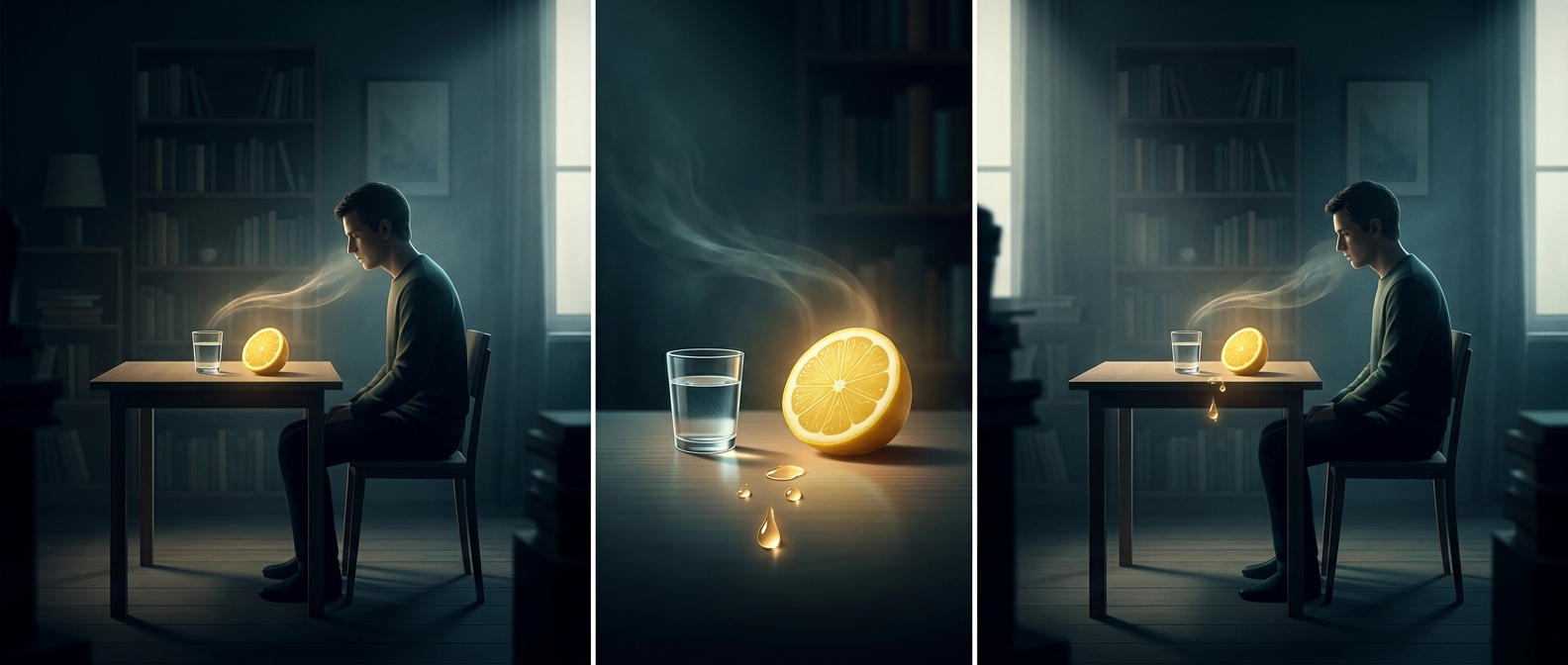
Why Some People Feel Little Pull to Make Friends
Friendship is rewarding for many people, but the motivation to seek it out is not the same for everyone. A person who feels no urge to meet new people may simply find other activities more satisfying, or prefer the predictability and quiet of time alone. The difference is often less about disliking people than about how much social contact someone wants.
Solitude Can Be a Preference, Not a Problem
Psychologists distinguish choosing solitude from feeling lonely. Solitude is time spent alone; loneliness is the distress of wanting connection and not having enough of it. Someone content on their own may experience the first without the second. At a party, that can mean no inner push to introduce themselves—not necessarily fear, sadness, or a judgment about everyone in the room.
The same person may still enjoy a few close relationships, family time, or conversation when it has a purpose. “Not interested in making friends” describes a level of motivation, not automatically a complete absence of affection or social skill.
When the Preference Changes the Picture
A low desire for new friendships is not, by itself, evidence of a disorder. The more useful question is whether the person is comfortable with the pattern and whether it interferes with things they value. Someone who wants more connection but feels blocked by intense fear or persistent distress is in a different situation from someone who simply prefers a smaller social world.
That distinction matters in everyday life: declining a party may be a genuine preference, rather than a hidden request to be persuaded. A full calendar is not the only measure of a satisfying one.