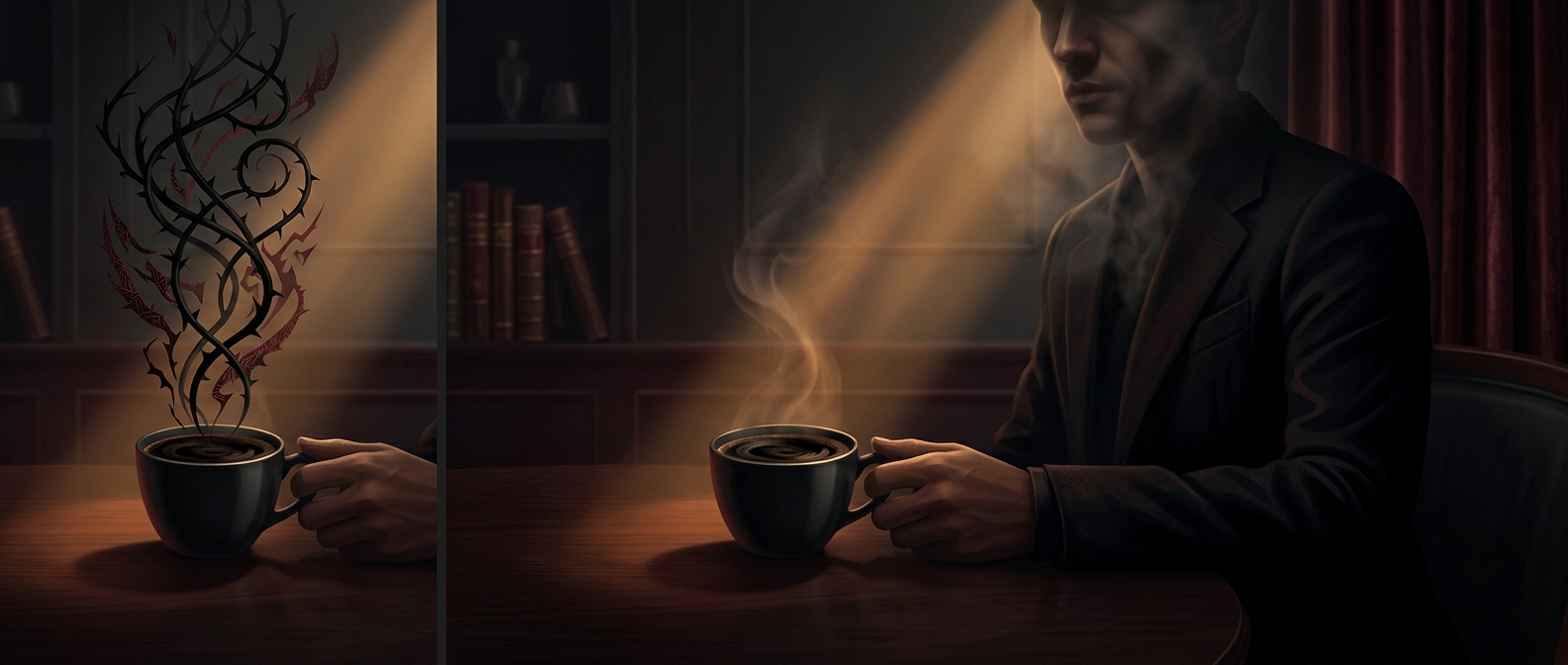
Why bitterness can feel like a reward
Bitterness is often a warning signal: many naturally bitter substances are unpleasant, and people vary in how strongly they experience that taste. Yet a warning signal is not the same as a verdict. In coffee, bitterness arrives in a familiar, chosen setting, alongside aroma, warmth, and the expected lift from caffeine. Repeated exposure can also make a once-harsh flavor feel appealing.
That makes bitter coffee a small example of how people can enjoy an intense sensation without enjoying harm. The same basic distinction applies elsewhere: someone might seek out challenging flavors or strong experiences because they find them stimulating, not because they want other people to suffer.
What a preference can—and cannot—suggest
Research has reported links between liking bitter tastes and higher self-reported scores on certain traits, including everyday sadism. “Self-reported” means participants described their own attitudes or tendencies; it does not mean that a taste preference reveals a diagnosis or predicts what someone will do.
A statistical link is a pattern across people, not a reliable personality test for an individual. Taste is shaped by many things, including experience and sensitivity, while personality traits are measured separately. So a fondness for dark, bitter coffee might fit a broader attraction to intense sensations—but the cup alone cannot explain why someone likes them. The telling detail is the gap between a group-level association and what you can actually infer from one person’s order.