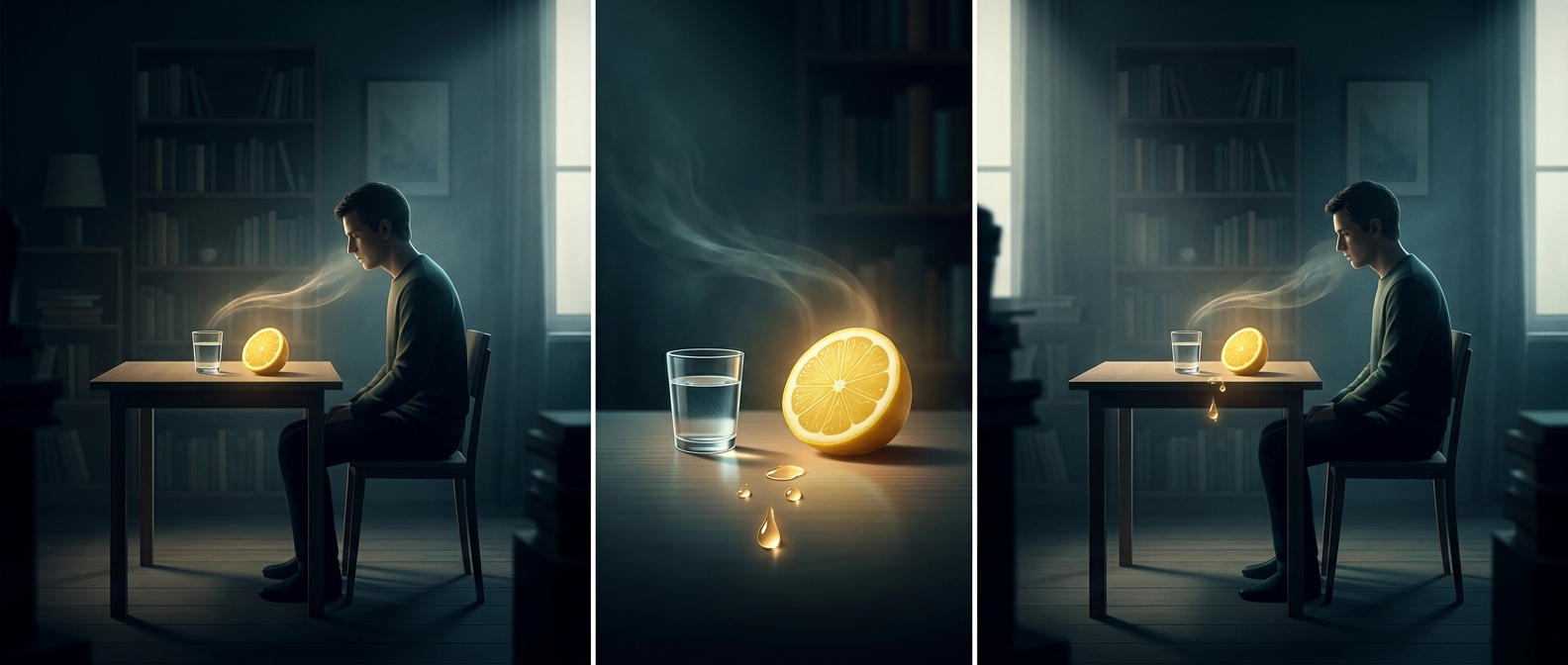
How distrust turns ambiguity into evidence
A person who expects deception approaches a conversation with a different starting hypothesis: this person may be trying to mislead me. That expectation can shape what they notice. A pause, a change in tone, or an awkward answer stands out because it seems to fit the suspicion; details that fit an innocent explanation may receive less attention.
The behavior itself has not become more revealing. People look away because they are thinking, stumble because they are nervous, and hesitate because they are choosing their words. Those cues can accompany a lie, but they can also accompany an honest answer. Treating them as proof confuses a possible sign with a reliable test.
More suspicion can mean more false alarms
Spotting lies requires distinguishing deceptive people from honest ones—not simply noticing behavior that feels unusual. If someone labels many ambiguous moments as suspicious, they may make more accusations without becoming better at identifying actual deception. In other words, confidence in one’s suspicion is not the same as accuracy.
That can also create a social feedback loop. An accusation may make an honest person tense or defensive, producing more behavior that the accuser already interprets as suspicious. A more useful approach is to ask what concrete claim can be checked, consider ordinary explanations for the behavior, and look for evidence beyond how someone appears in the moment.