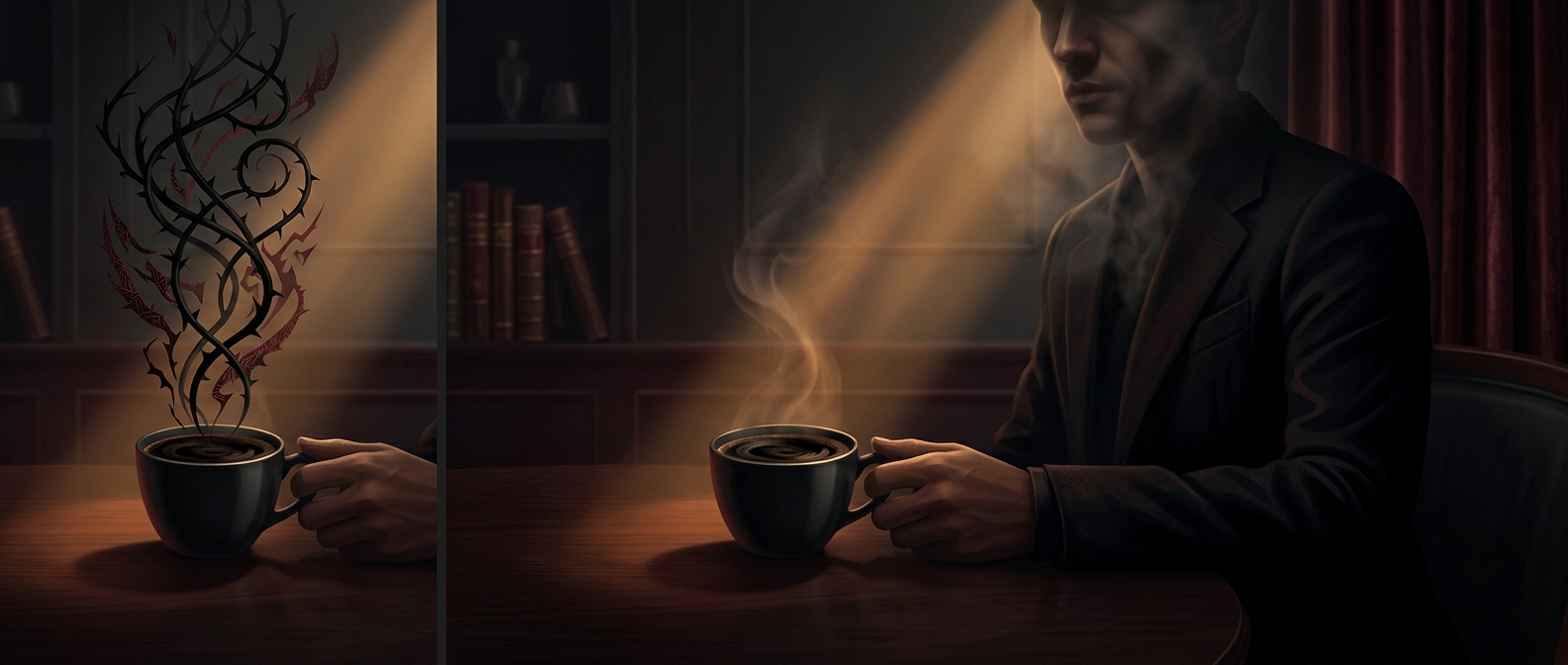
Why a crush can feel like an alarm
When someone matters to you and the outcome is uncertain, your brain has reason to stay alert. Will they respond? Did that conversation go well? The questions are emotional, not dangerous, but the body can still react to the anticipation. The nervous system shifts into a more activated state, preparing you to respond: your heart may beat faster, and you may feel restless or keyed up.
That activation can also disrupt ordinary routines. A mind that keeps replaying a conversation or imagining the next one has less room for winding down at bedtime or noticing hunger. The result can resemble the physical strain of stress—even though the trigger is hopeful attraction rather than a crisis.
Uncertainty keeps attention circling
A new relationship is full of incomplete information. A message, a pause, or a change in tone can seem unusually significant because you are trying to work out what the other person feels. That uncertainty keeps attention returning to the same person and can make small signals feel consequential.
The body’s arousal and the mind’s interpretation reinforce each other: a racing heart can make the moment feel more intense, while intense thoughts can keep the body activated. The same sensations can occur in many emotionally charged situations; they do not, by themselves, prove that someone is in love.
The feeling is real, but temporary
For many people, the unsettled phase eases as the situation becomes more familiar or less uncertain. Until then, the contrast can be striking: a hopeful possibility may produce the sleeplessness and appetite changes more often associated with worry. The body registers the stakes before it knows how the story will turn out.