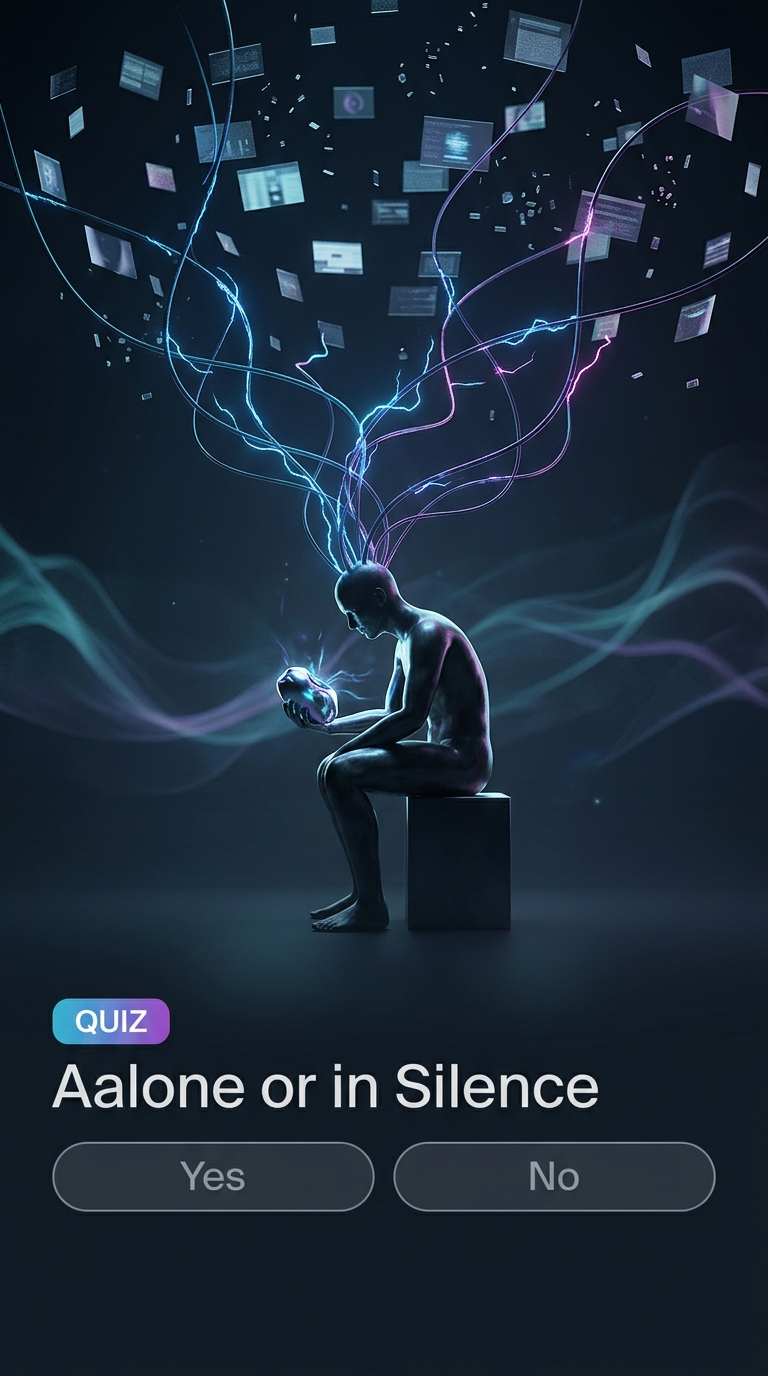
Why an empty moment can feel like pressure
Boredom is not simply having nothing to do. It often arises when a person wants to engage but cannot find an activity that feels worthwhile or absorbing. Attention keeps searching for something to lock onto, while the situation offers no satisfying target. That mismatch can turn a quiet wait into a restless, uncomfortable experience.
The urge to act has nowhere to go
When attention drifts, people may look for a change: check a phone, start a conversation, or switch tasks. If those options are unavailable—or none seems appealing—the urge remains without an outlet. The person is left noticing both the passing time and their own inability to make it feel meaningful. That can make boredom seem less like rest and more like being stuck.
People differ in how strongly they react to this state. For someone who finds uncertainty or inactivity especially uncomfortable, a slow line or an unstructured afternoon can bring a sharp sense of agitation. The discomfort is real, even when nothing dangerous is happening; it reflects an unmet desire for engagement, not necessarily a lack of willpower.
Why a small change can help
A new task does not have to be exciting to interrupt the cycle. It may be enough to give attention a clear purpose: noticing details in the surroundings, making a simple plan, or choosing one manageable thing to finish. The shift matters because it replaces open-ended waiting with an activity the mind can follow. That is why the same few minutes can feel either endless or surprisingly brief, depending on whether attention has somewhere to go.