Why an Unpleasant Shock Beat Doing Nothing
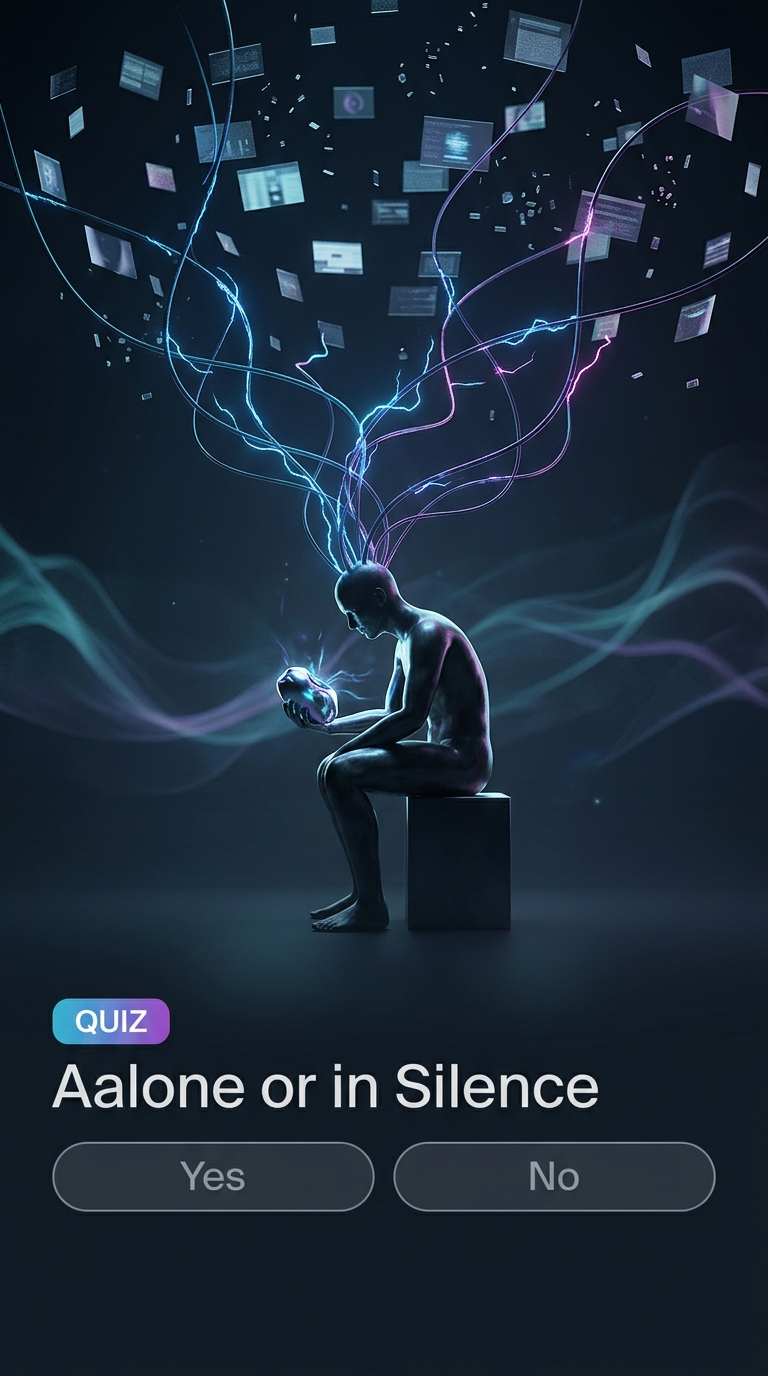
The choice was not between silence and an unknown danger. Participants had first sampled a mild electric shock, so they knew what it felt like. Later, alone with their thoughts and no phone or other activity, they could press a button to receive that shock again. Many did.
The setup matters: the shock was unpleasant, but it was also an event the participants could cause and control. In an otherwise empty stretch of time, pressing the button offered a quick change in sensation and something to do—even when that change hurt.
The Mind Keeps Reaching for Something to Do
Being alone with one’s thoughts can sound restful, but it asks people to generate their own attention and keep it there. Thoughts may wander, turn toward worries, or simply feel dull. An external sensation, even an unpleasant one, can interrupt that drift and give attention a target.
That does not mean people generally prefer pain to reflection. It shows how strongly people may seek stimulation when there is little to occupy them—and how a small, immediate action can become tempting when the alternative feels empty. The striking part is not that the shock felt good; it is that, for some participants, pressing a button was easier than staying with nothing to do.