Why a trip can stay vivid after a new sofa feels ordinary
A purchase often brings a burst of pleasure because it changes what you have. But once the new object is in place, your mind quickly folds it into the surroundings: the sofa becomes where you sit, the lamp becomes part of the room. The thing may still be useful, yet it no longer demands much attention. This shift is called hedonic adaptation—the tendency for a change in circumstances to become familiar, reducing its emotional impact.
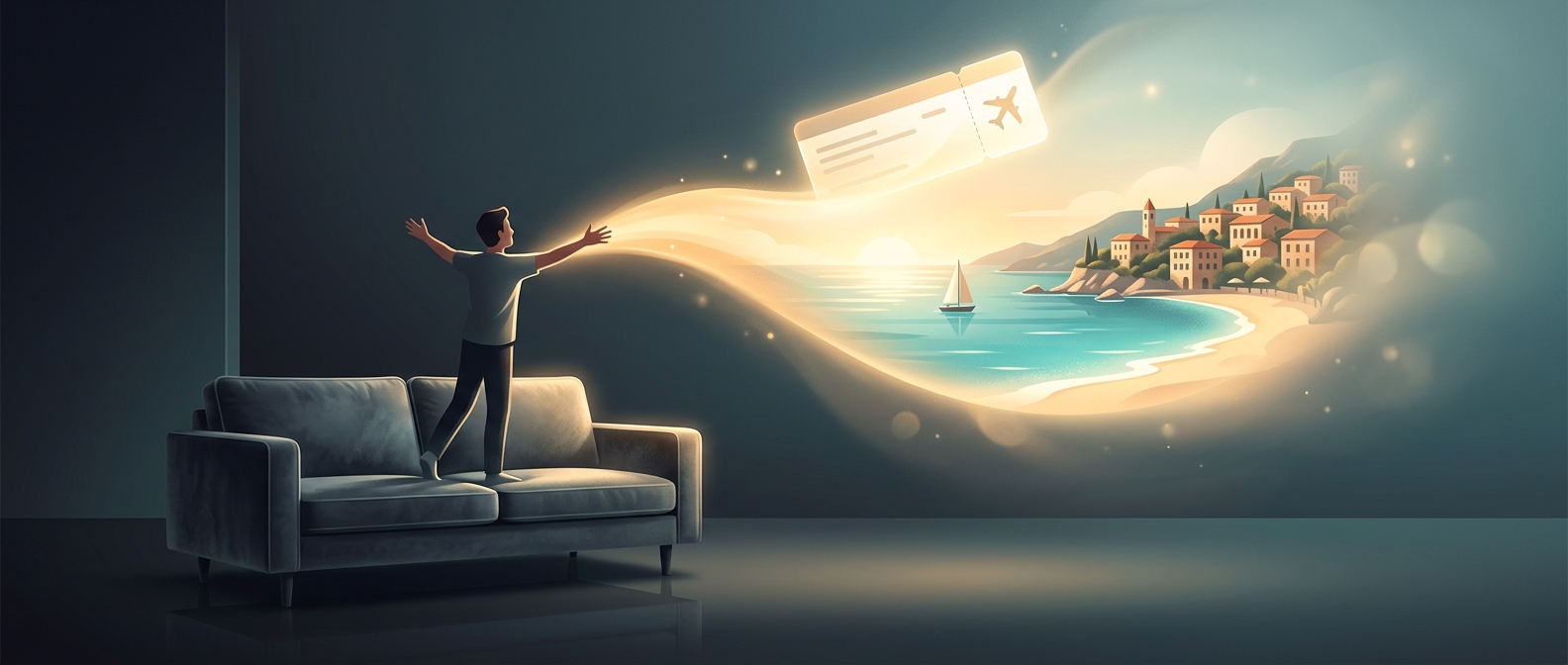
Experiences are harder to absorb so completely. A trip, performance, or difficult hike unfolds over time, with new scenes and decisions that keep attention engaged. Later, memory does not preserve every moment like a recording; it reconstructs a story from notable events, feelings, and turning points. That story can remain easy to revisit even after the experience itself is over.
Experiences keep gaining meaning
An experience can also become part of how someone explains themselves. “I went there” or “I learned to do that” connects an event to identity, while an object is often described by what it does or where it sits. Recalling an experience with friends—and hearing their memories in return—can refresh its meaning and strengthen social ties.
This does not mean every experience is happier than every purchase. A stressful trip can be remembered badly, and a well-chosen object can bring lasting pleasure. The difference is that experiences often supply a sequence of moments to remember and retell, while many possessions become familiar features of everyday life. A new chair may eventually disappear into the room; a story about the journey that brought you to it can keep coming up at the dinner table.