A tiny label changes how players are sorted
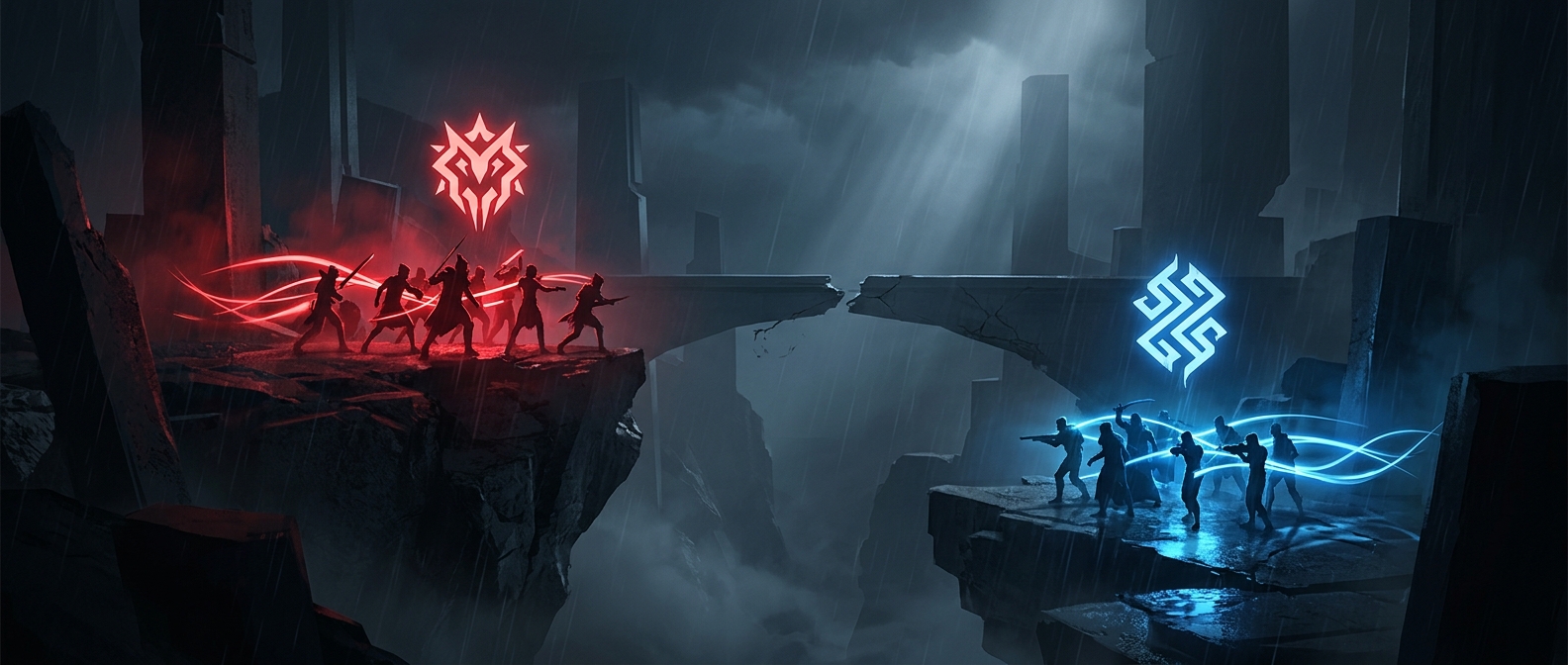
A clan tag is more than decoration: it gives a player an immediate category. Social psychologists call this social identity—the part of a person’s self-concept tied to groups they belong to. Once a match displays recognizable labels, players can quickly sort the field into “our side” and “the other side,” even if the groups formed moments ago.
That sorting can shape attention. A teammate’s mistake may seem understandable, while the same move from a rival looks deliberate. A win can feel like proof that the group is strong; a loss can feel like an insult to its standing. The tag does not need to change anyone’s actual behavior to change how that behavior is interpreted.
Competition gives the label emotional weight
Games supply clear, repeated moments of comparison: one team wins, another loses; one player helps, another blocks a path or takes an objective. The tag makes those events feel connected to a shared identity rather than isolated actions by strangers. Players may also feel they are representing their clan, which can encourage them to defend its reputation or celebrate its successes.
This is not the same as a deep, lasting feud. The intensity depends on the player, the game, and how much the group matters to them. But even a temporary label can make ordinary competition more personal: a rival’s move is no longer just an obstacle in the match—it can look like a challenge from the group on the other side.