Psychology
Discover facts about psychology. Small discoveries that change the way you see familiar things.
Psychology
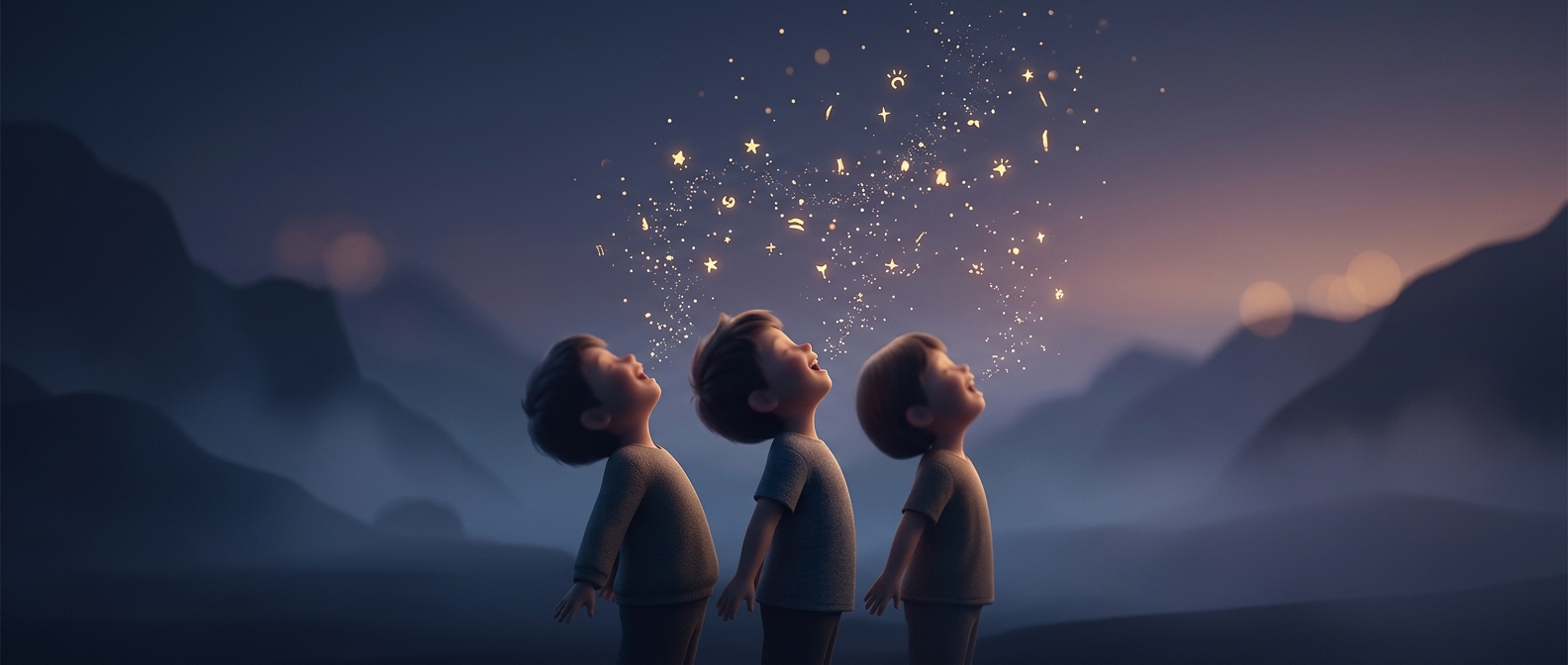
Children laugh far more than adults
A child can laugh through a game that would barely earn an adult’s smile because laughter helps keep play going. It says, “This is fun; we’re still on the…
Discover more
A rare delusion makes a familiar place seem duplicated
In reduplicative paramnesia, a person may insist that a hospital or another location exists in two places at once. Recognizing details does not necessarily…
Discover more
Saying I don't can make refusal feel more like your own choice
Experiments on self-talk have compared refusing with I don't and I can't. The first frames a boundary as something you choose, while the second can sound like…
Discover more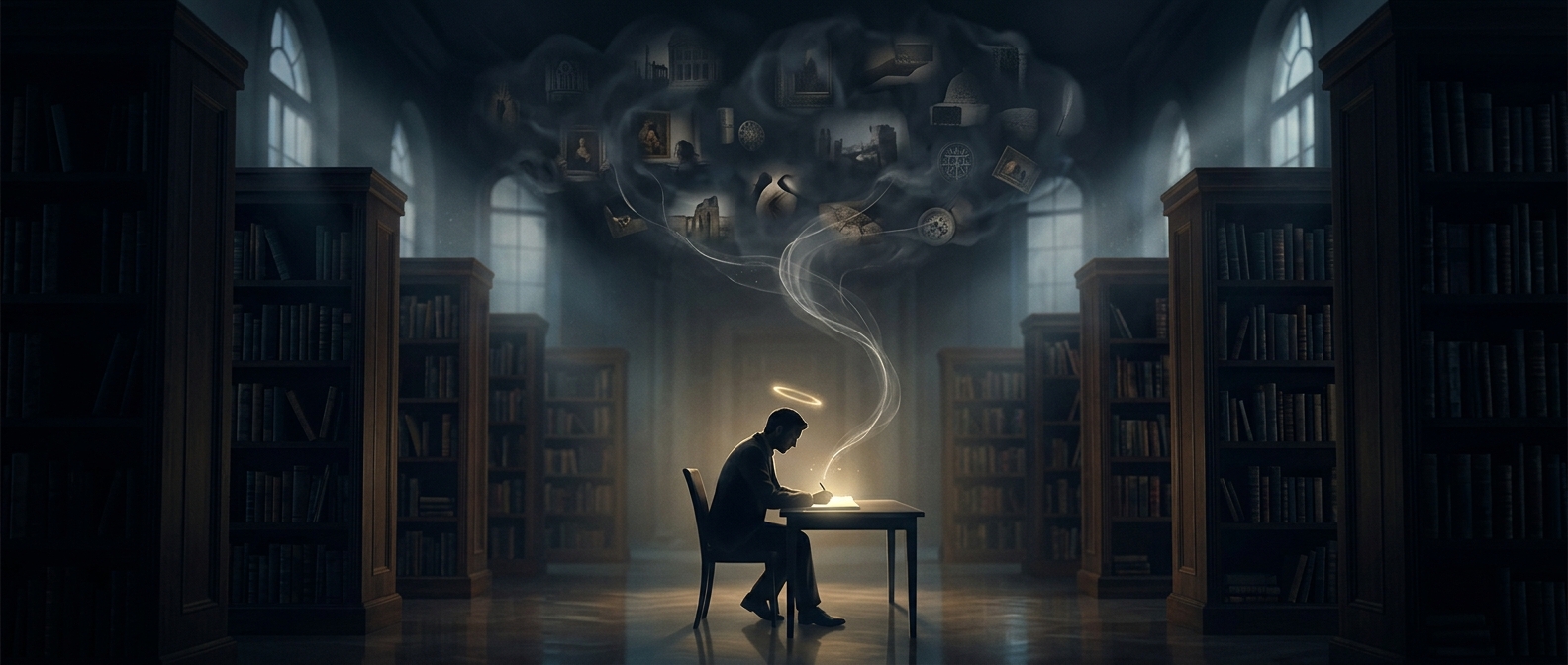
Your original idea may be an old memory
Memory stores what you encountered more reliably than where you encountered it. So a sentence, image, or solution can resurface with the feeling of…
Discover more
Your brain can remember facts but lose their source
A fact can stick while its little label—“my friend said this,” “I read it in an ad”—falls off. When the source is lost, familiarity may be mistaken for proof,…
Discover more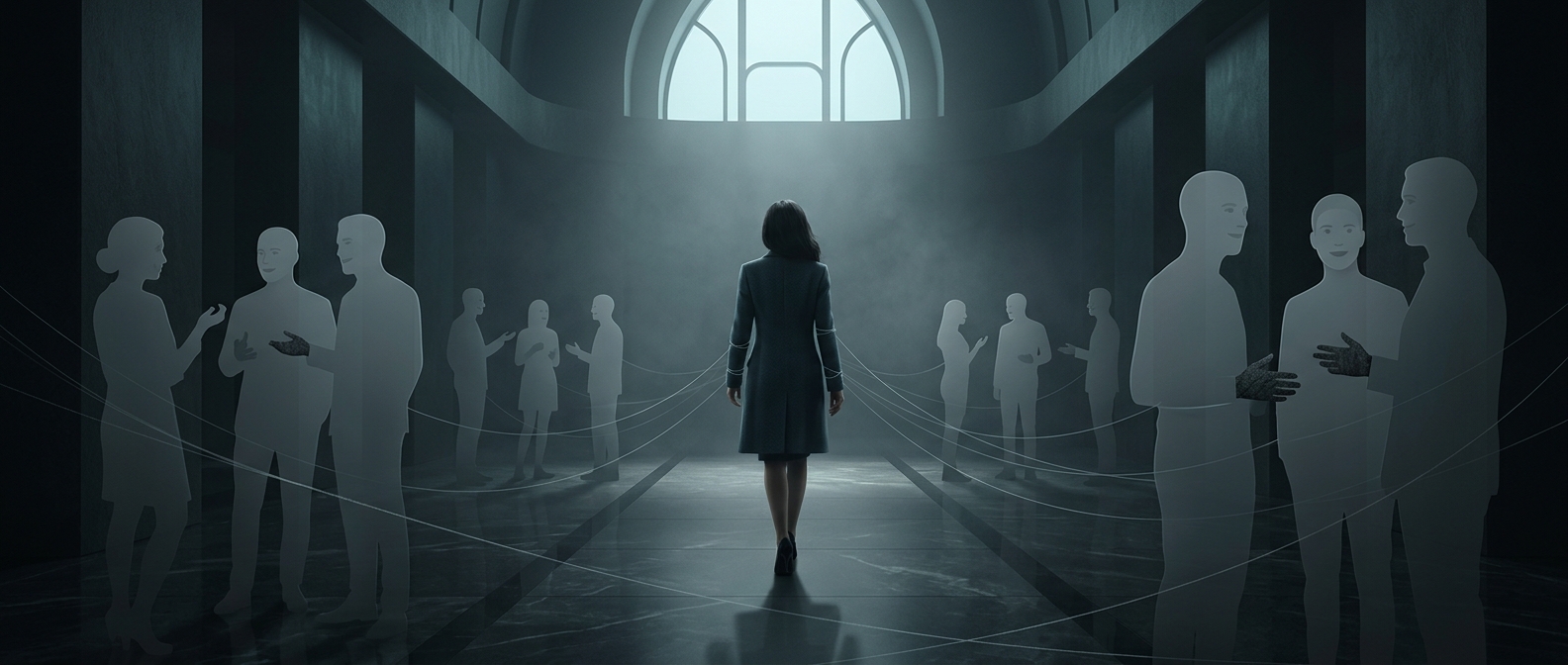
Why we're so bad at spotting lies
A lie can be hard to spot because the signs people expect are poor clues. Someone might avoid eye contact because they’re anxious, or hold it because they’re…
Discover more STACKY FOR IPHONE
A bigger world.
One discovery
at a time.
Keep discovering with Stacky. Interesting facts in an app that is always within reach.
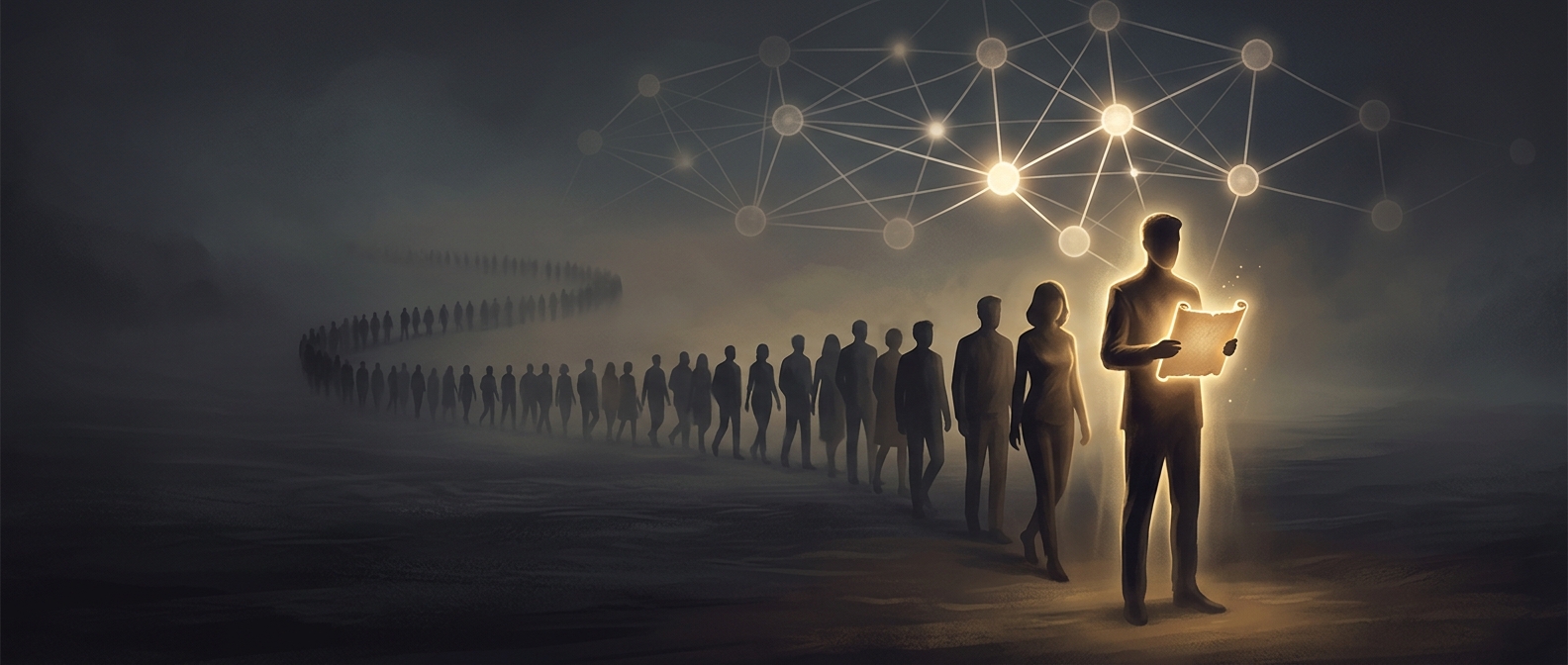
Why you remember the first names best
At a round of introductions, the first names arrive before your attention is crowded by everyone else’s. You can rehearse them while the next person speaks,…
Discover more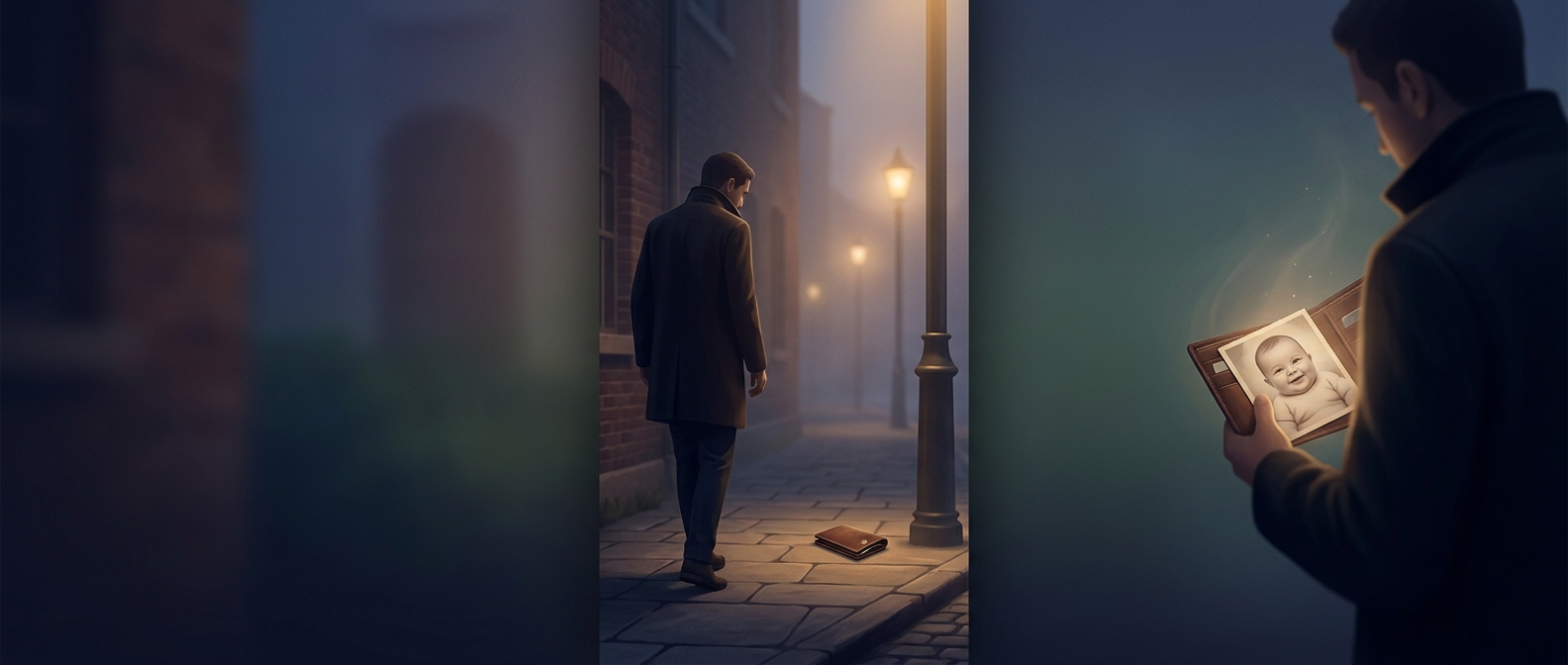
An experiment put baby photos in wallets to see which came back
Psychologist Richard Wiseman reported leaving wallets with different photographs around Edinburgh. Those containing a baby picture had the highest return rate…
Discover more
Why the funniest person may struggle to be serious
The person who can make everyone laugh may find sincerity harder because a joke gives them control over the mood. When a conversation gets too exposed, humor…
Discover more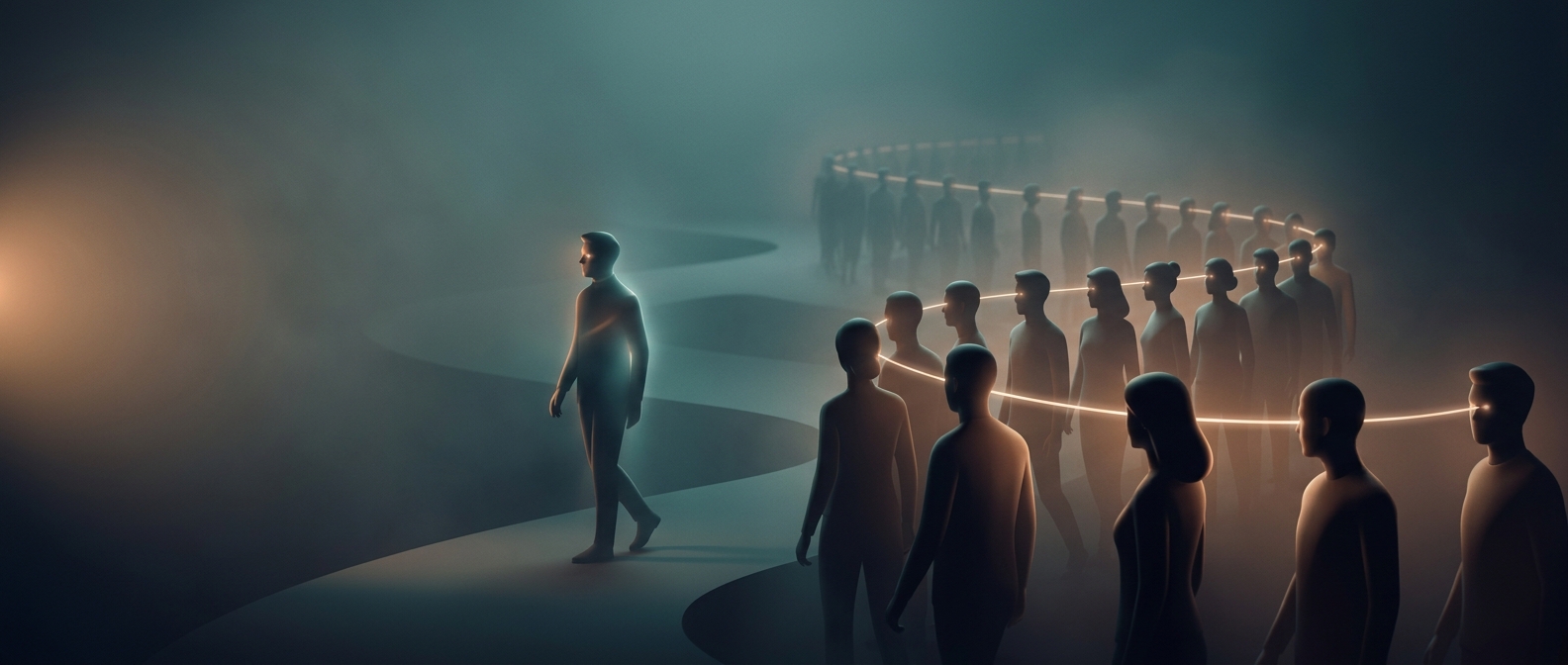
Why crowds follow your gaze
Someone’s eyes snap to the side, and yours follow before you’ve decided to look. Gaze is a fast clue that something may matter over there, so tracking it…
Discover more
Why sunglasses can make you feel anonymous
Sunglasses hide your eyes, one of the clearest signals other people use to read where you’re looking. That small barrier can make you feel less exposed and…
Discover more
Extreme joy can temporarily change the shape of your heart
An enormous rush of joy can briefly stun the heart. In takotsubo syndrome, the heart muscle weakens and part of the left ventricle can balloon outward,…
Discover more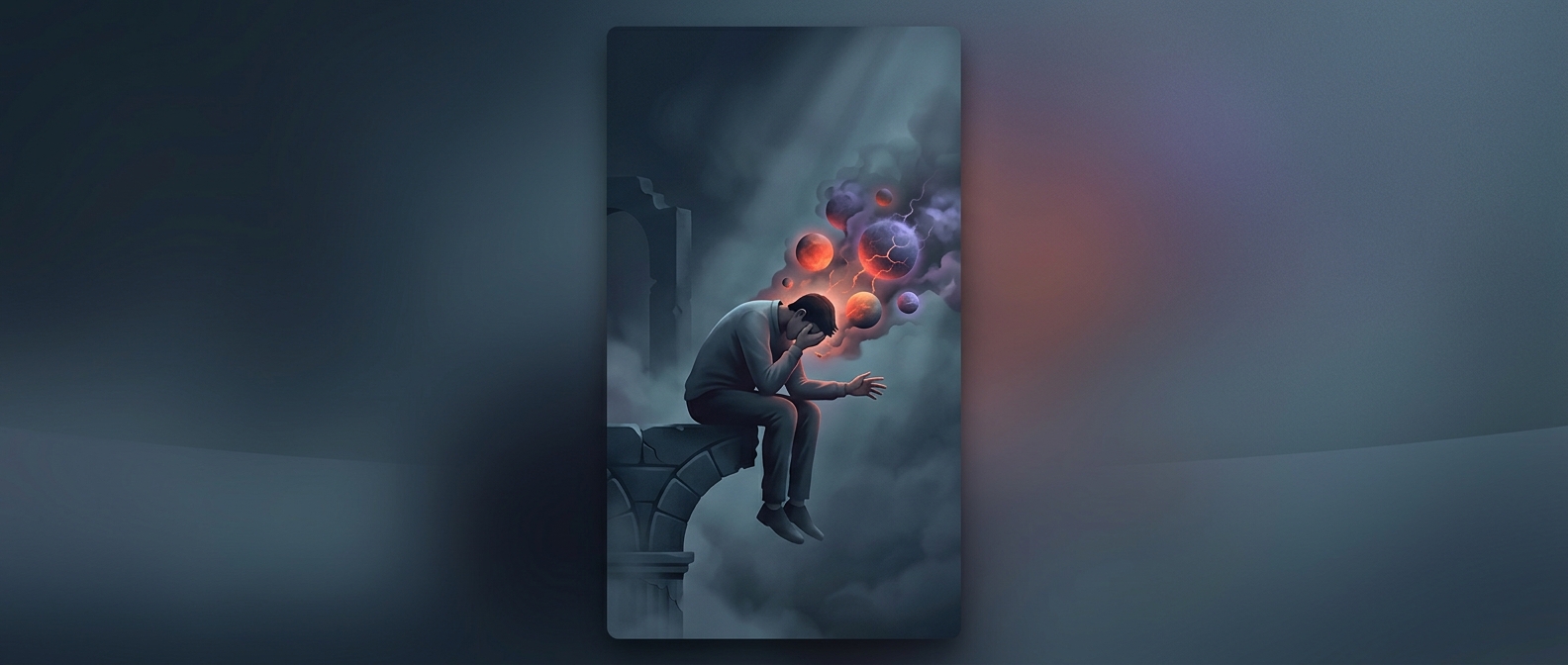
Physical exhaustion reduces emotional regulation
When you’re worn out, it gets harder to put a little space between a feeling and what you do with it. The frustration still starts small; the usual mental…
Discover more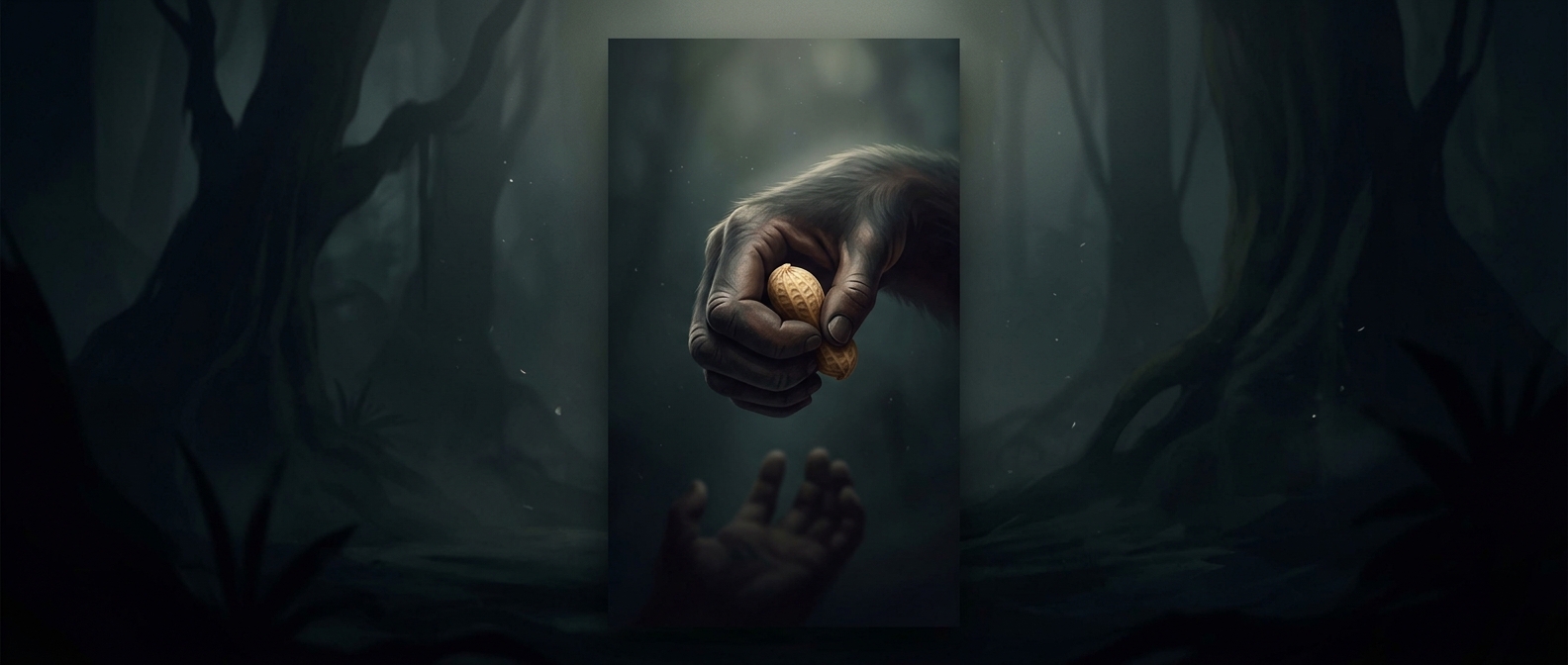
Some chimps turn down food when a neighbor gets a better deal
In a study of 16 chimpanzees, researchers varied rewards and effort in a task. The animals' willingness to participate depended partly on what their partner…
Discover more
Why you think advertising works on everyone but you
You may picture advertising working by making someone buy a product they never wanted. Its quieter influence is often changing what comes to mind first or…
Discover more
How imaginary points make chores easier
A pile of chores is vague; a score is something you can move. Giving yourself imaginary points turns each small task into visible progress, so folding one…
Discover more
Why you hate traits you secretly recognize in yourself
A trait you’ve pushed out of your self-image can look especially glaring in another person. Their behavior brings the unwanted possibility close—“I can be…
Discover more
A forgotten subscription is still a paying customer
Automatic renewal separates the decision to start paying from the decision to keep paying. Unless you return to cancel, the original choice repeats on its…
Discover more
Why your brain can’t maintain thousands of friendships
A friendship stays close through repeated contact, and your day has only so many hours for calls, visits, and messages. As the number of relationships rises,…
Discover more
How your brain turns violent urges into hobbies
A person can channel aggressive energy into a demanding sport, a competitive game, or another absorbing pursuit. In psychoanalytic theory, that redirection is…
Discover more
A red car can feel fast before it moves
Bright paint, an aggressive shape, and a familiar sports-car image can all suggest speed while a vehicle is parked. That impression is a judgment about…
Discover more
Why some people love pointless overthinking
A pointless question can still give the mind something satisfying to do. You can run possibilities, spot patterns, and build little explanations without…
Discover more
Digital overstimulation shrinks human attention spans
A ping, a swipe, a new tab: each one asks attention to turn and start over. Frequent digital interruptions can make sustained focus harder by repeatedly…
Discover more
The subscription trick that makes bundles look cheap
Bundles turn one price into a pile of apparent savings: this service plus that one, all for less than the listed individual prices. Your attention shifts from…
Discover more