A reward changes when another chimp gets more
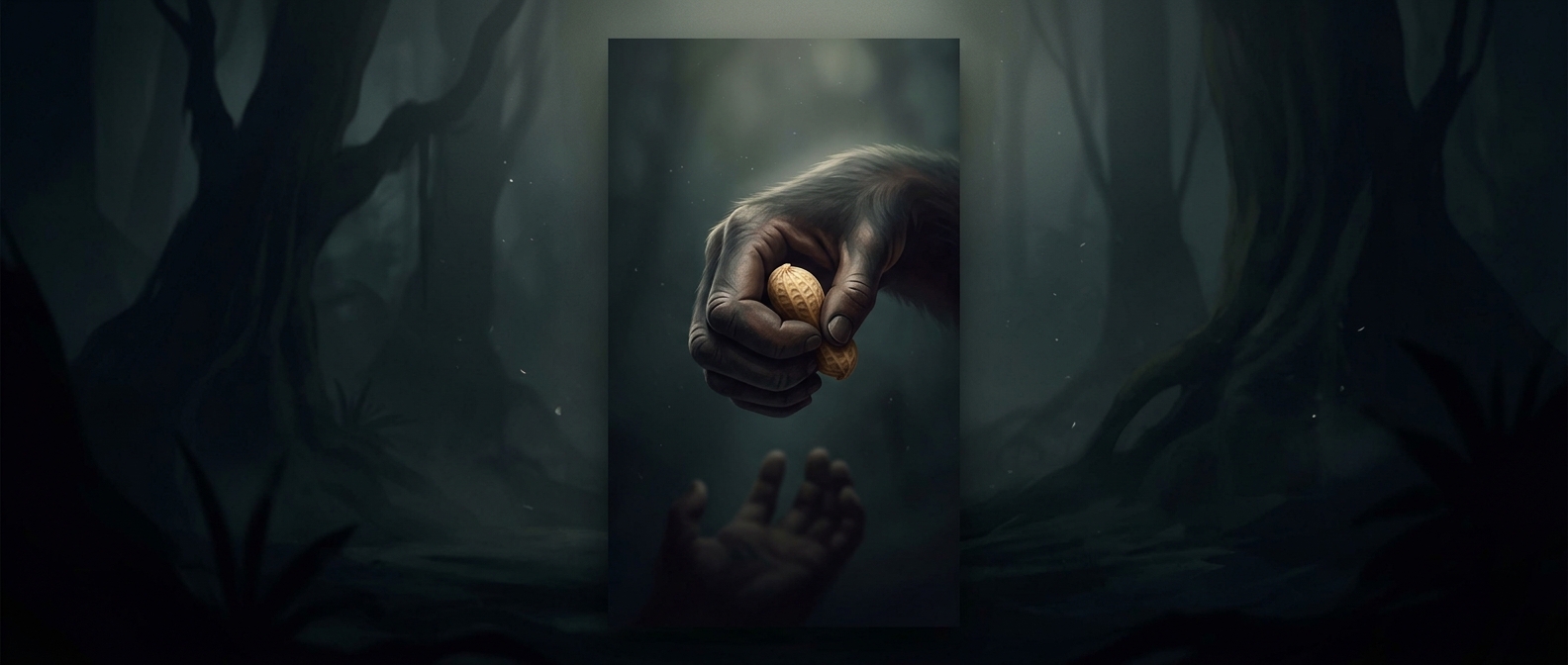
A peanut can be worth eating—until a chimpanzee sees a companion receive a more desirable piece of fruit for comparable work. The food has not changed, but its value in that moment has. The chimp is responding not only to the snack in its own hand, but also to the gap between its reward and the other animal’s.
That contrast can make an ordinarily acceptable treat seem like a poor deal. Refusing it is a visible response to the mismatch: the chimp may delay taking the food, reject it, or stop cooperating. The comparison is especially meaningful when the animals can see each other’s rewards and appear to be doing similar tasks.
Social comparison is not the same as a human verdict
This behavior is often described as sensitivity to unfairness, but a refusal alone cannot show exactly what the chimp is thinking. It may reflect attention to unequal outcomes, frustration at receiving the less-preferred food, or both. Researchers can observe the choice; they cannot read a chimp’s private judgment from it.
The important point is that appetite is contextual. A peanut may be attractive on its own and disappointing beside fruit. By watching what a companion receives, a chimp gains a comparison that can change whether its own reward is worth accepting.