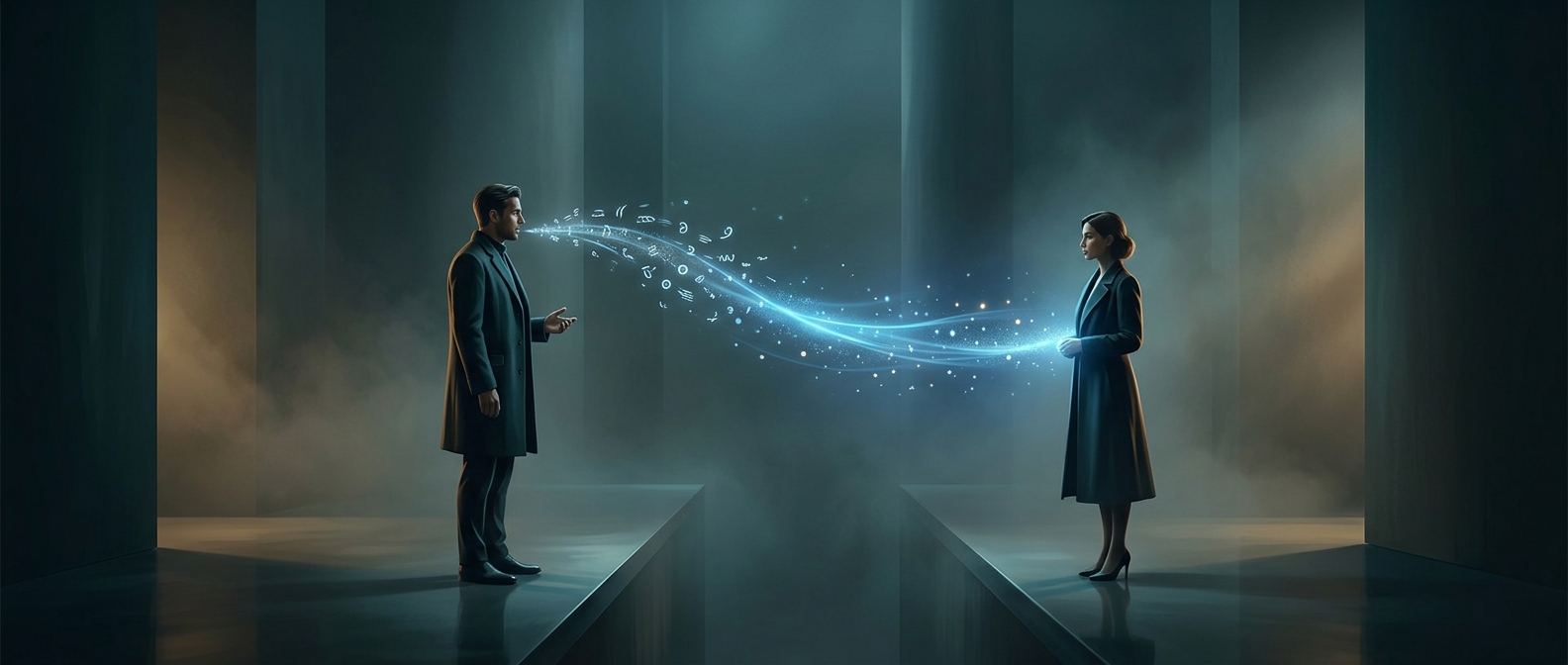
A voice that makes attention easy to catch
When people speak to pets in a high, lilting voice, the important change is not just pitch. They often slow down, stretch a vowel, and make the rise and fall of each phrase more pronounced. Those cues make speech sound emotionally expressive and easier to notice amid other sounds.
That can help in a simple interaction: a person wants a dog to look over, a cat to stay nearby, or a young animal to respond. The voice signals friendly engagement before the animal needs to interpret any particular word. Pets can learn that certain words predict food, walks, or play, but much of the immediate effect comes from tone, timing, and the situation around the sound.
The animal helps shape the voice
People also adjust their speech to what the pet does. A dog turns its head or trots over; the person responds with more animated talk. If the animal loses interest, the person may change tone, repeat a sound, or try a different cue. This back-and-forth resembles the way adults naturally exaggerate speech when trying to hold a young listener’s attention, though pets are not human infants and do not acquire language in the same way.
The result is a small feedback loop: expressive speech attracts attention, the pet’s reaction rewards the speaker, and the speaker keeps using the style. The squeaky monologue is less a belief that the animal understands every sentence than a social tool for making an interaction feel inviting—and for giving the human an unmistakable way to show warmth.