Why waiting can make a meal harder to abandon
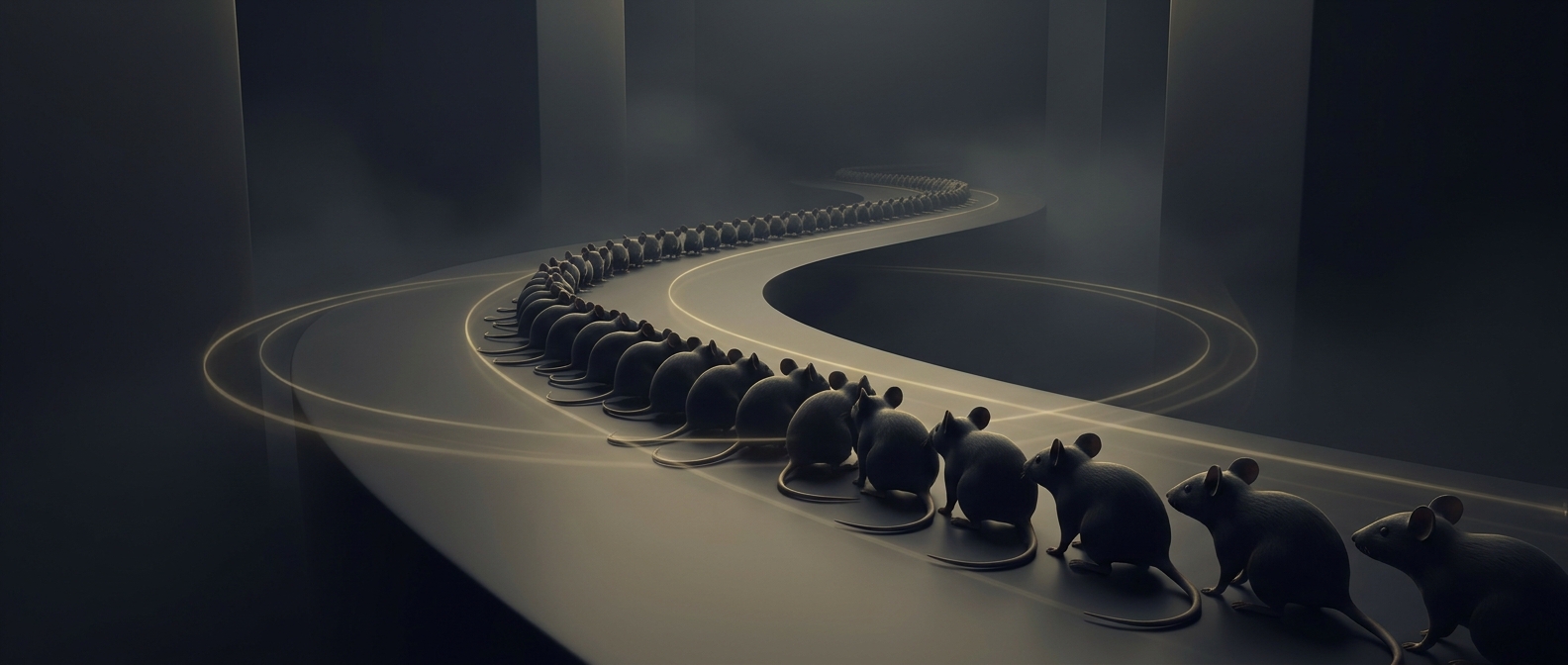
Imagine a mouse approaching two food sources. One is close but offers a modest reward; the other promises more food but lies at the end of a slow line. As the mouse waits, the minutes already spent can become part of how it judges the choice. Leaving may feel like giving up on that investment, even though the time is gone either way.
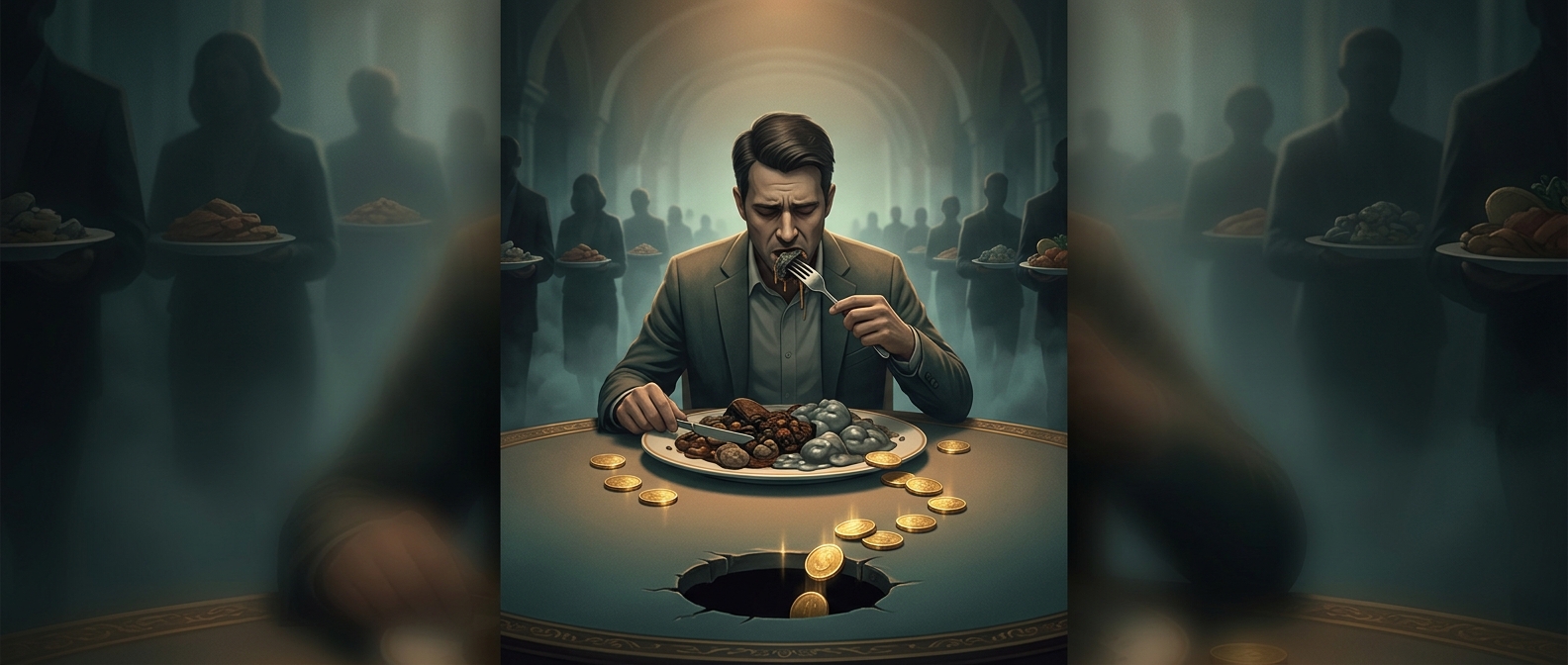
That is the sunk-cost effect: past costs influence a decision that should be based on future consequences. The rational question is whether staying will bring a better payoff from this point onward—not whether the wait so far was worth it.
How time spent changes the decision
A delay can make the expected reward seem more valuable simply because the animal has been working toward it. The mouse may also keep using the same route or waiting strategy because it has already committed to it. In either case, its behavior reflects not just the food available now but the effort that came before.
This does not mean every mouse will stay, or that waiting is always a mistake. If the distant food is genuinely better and likely to arrive soon, continuing can be sensible. The trap appears when time already spent counts as a reason to stay even though it cannot improve the reward still to come.
A small animal, a familiar human pattern
People do something similar when they finish a disappointing movie because they have already watched half, or keep pursuing a plan because they have invested money and effort in it. The mouse’s line makes the logic visible: the past can shape a choice, but it cannot be recovered by waiting longer.