How a moving figure becomes a duckling’s guide
A newly hatched duckling cannot rely on experience to identify its mother. Instead, it has an early learning process called imprinting: exposure to a moving figure during a brief, sensitive period can lead the duckling to treat that figure as the one to follow. In nature, the first likely candidate is usually its mother.
Movement matters because it gives the young bird a clear, immediate cue. A nearby figure that moves can be tracked, while a still object offers less reason to keep close. Following the right adult helps a duckling stay with the group and reach food and shelter; wandering away can leave it exposed.
A strong early lesson, not a permanent identity
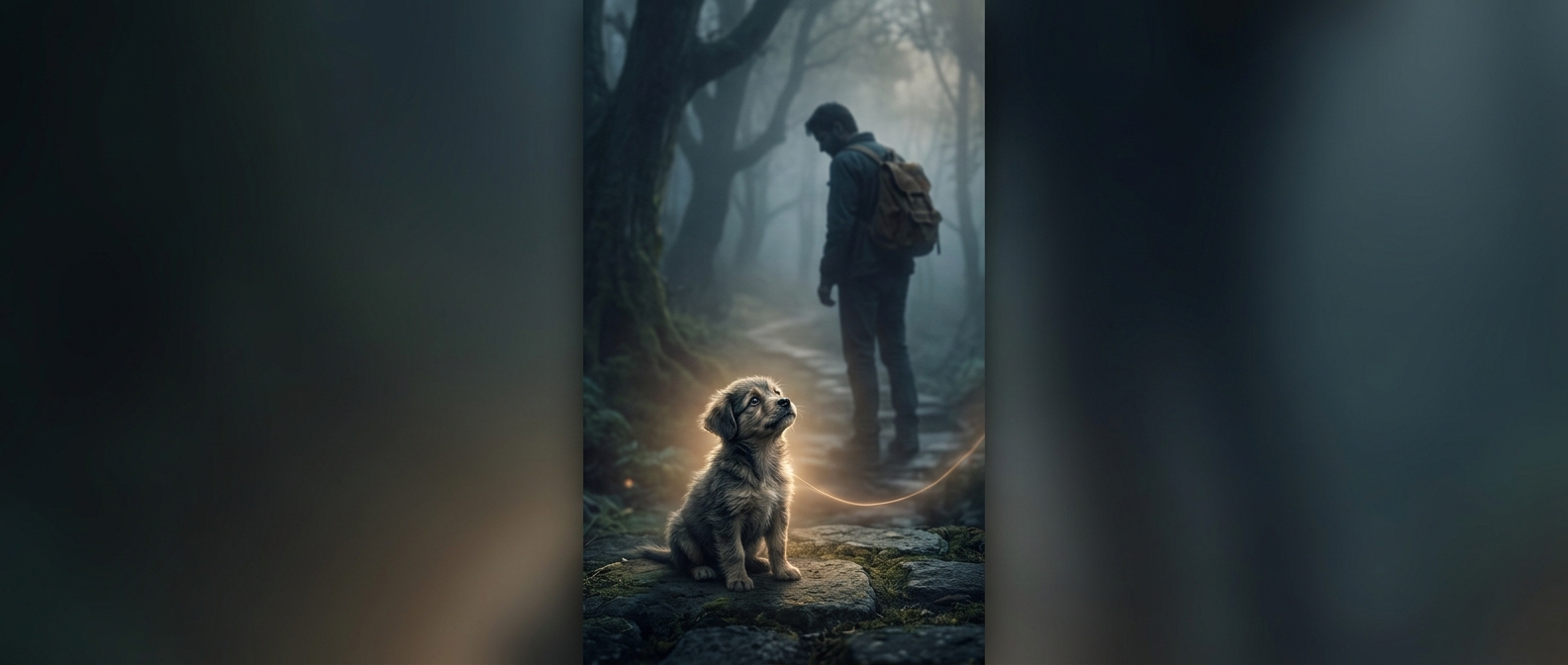
Imprinting is not simply a duckling consciously deciding that the first thing it sees is its parent. It is a rapid form of early learning that makes a particular figure a target for following. If a human or an object is encountered under the right conditions, the duckling may follow that instead—even though it is not its mother.
The attachment is especially associated with this early window, rather than ordinary learning that continues in the same way throughout life. That timing helps explain why the behavior can seem so striking: a brief encounter can shape what the duckling treats as its guide.
Why the behavior is useful—and risky
For a wild duckling, quickly settling on a caregiver is better than repeatedly searching for the perfect one. The same shortcut can misfire when the first moving figure is not a parent. A duckling that follows a person may look as if it has chosen a companion, but its behavior reflects an early-following system doing its job with the information available. The first guide can become the one the duckling keeps close behind.