stackyFACTS
Psychology

A baby photo can help a lost wallet come back

HERE’S THE INTERESTING PART

Our moral compass is entirely dictated by adorable round faces. Experiments dropping hundreds of lost wallets revealed that people are ruthlessly selfish unless they see a photograph of an infant inside. The evolutionary drive to protect vulnerable offspring is so overpowering that it accidentally turns thieves into decent samaritans.
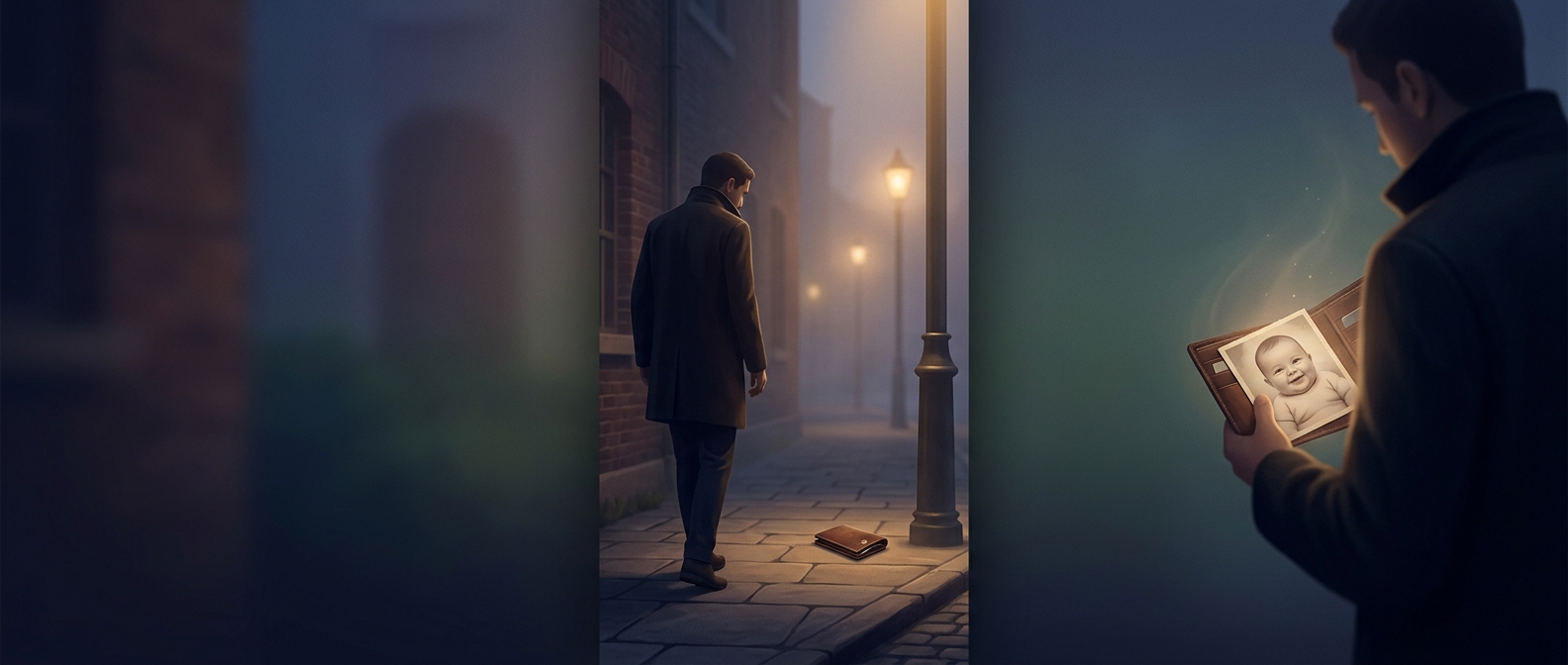
A baby photo can help a lost wallet come back
STACKY / Psychology
One discovery leads to another.

Keep exploring facts in this topic.

Psychology →
STACKY FOR IPHONE

A bigger world.
One discovery
at a time.

Keep discovering with Stacky. Interesting facts in an app that is always within reach.

Download on the App Store
ONE MORE DISCOVERY?

Keep exploring

All in this topic →
Why guilt can make you better at reading emotions
Psychology

Why guilt can make you better at reading emotions

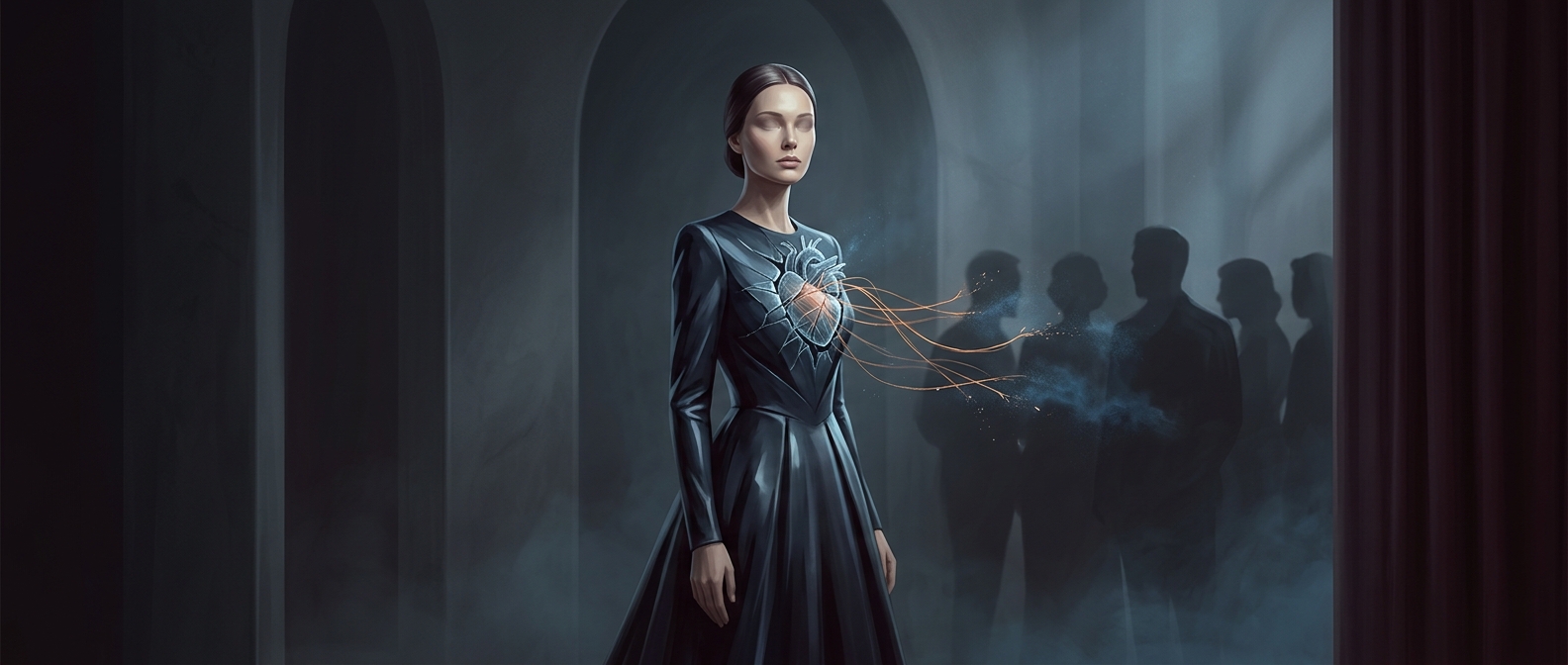
Your crippling guilt complex is basically just a superpower for empathy. People prone to intense feelings of guilt are hyper-vigilant about how their actions…

Discover more
Why yawns spread from person to person
Psychology

Why yawns spread from person to person

Yawning is the ultimate subconscious vibe check. Contagious yawning is completely unrelated to how tired you are; it is actually a biological marker of social…

Discover more
Why other people's struggles can drain you
Psychology

Why other people's struggles can drain you

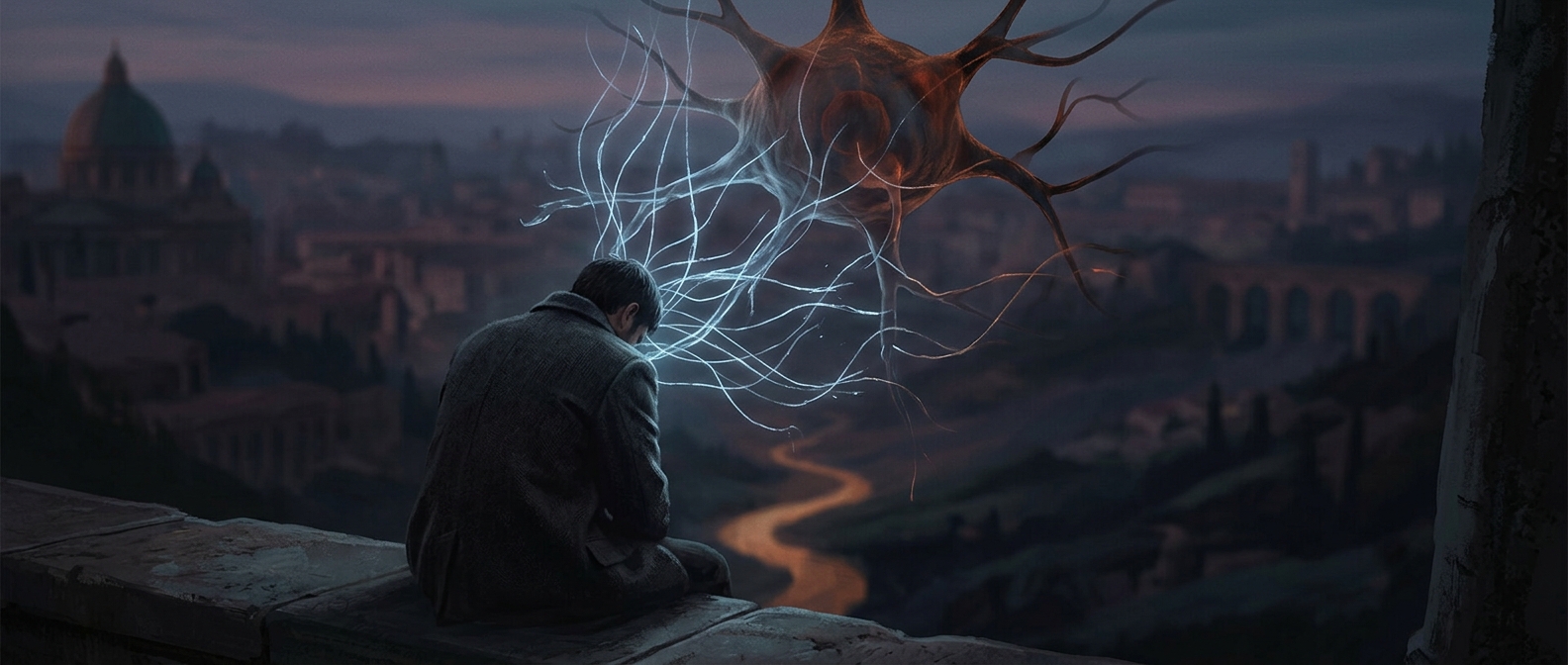
Caring about other people's problems literally drains your internal battery. Your brain actively mirrors the struggles of those around you, turning a friend's…

Discover more
Can Botox affect how we read other people's emotions
Psychology

Can Botox affect how we read other people's emotions

Emotions aren't just invisible magic happening inside your skull; they require physical muscle movements to properly compute. Because humans understand the…

Discover more
Why a puppy can move us more than a grown man
Psychology

Why a puppy can move us more than a grown man

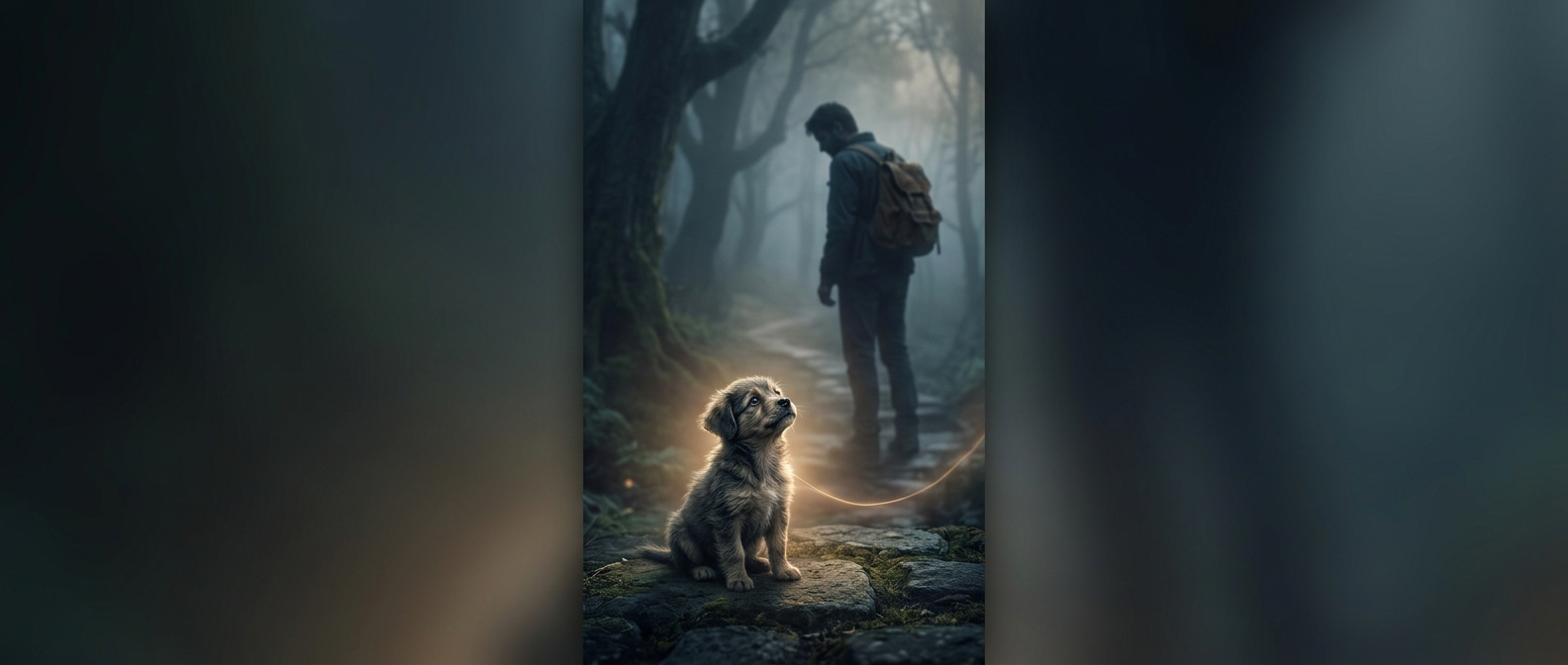
Our compassion is fiercely tied to the perception of vulnerable helplessness. The 'cute response' triggers extreme protective instincts toward animals and…

Discover more
Pareidolia is the psychological tendency to impose a meaningful interpretation on a nebulous stimulus, usually seeing faces in inanimate objects.
Psychology

Pareidolia is the psychological tendency to impose a meaningful interpretation on a nebulous stimulus, usually seeing faces in inanimate objects.

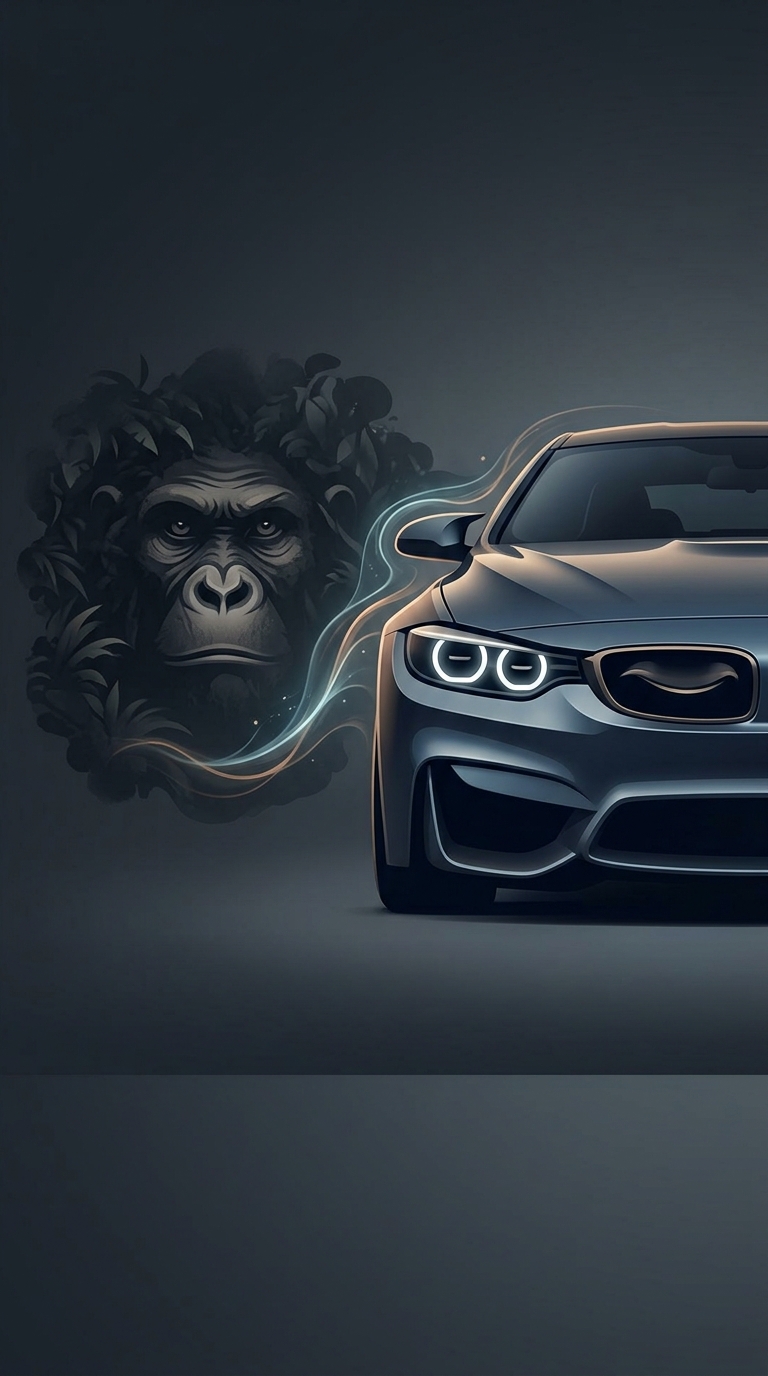
Pareidolia is the psychological tendency to impose a meaningful interpretation on a nebulous stimulus, usually seeing faces in inanimate objects. This…

Discover more
StackyMore discoveries in the app
Download on the App Store