Why an interruption leaves a mental residue
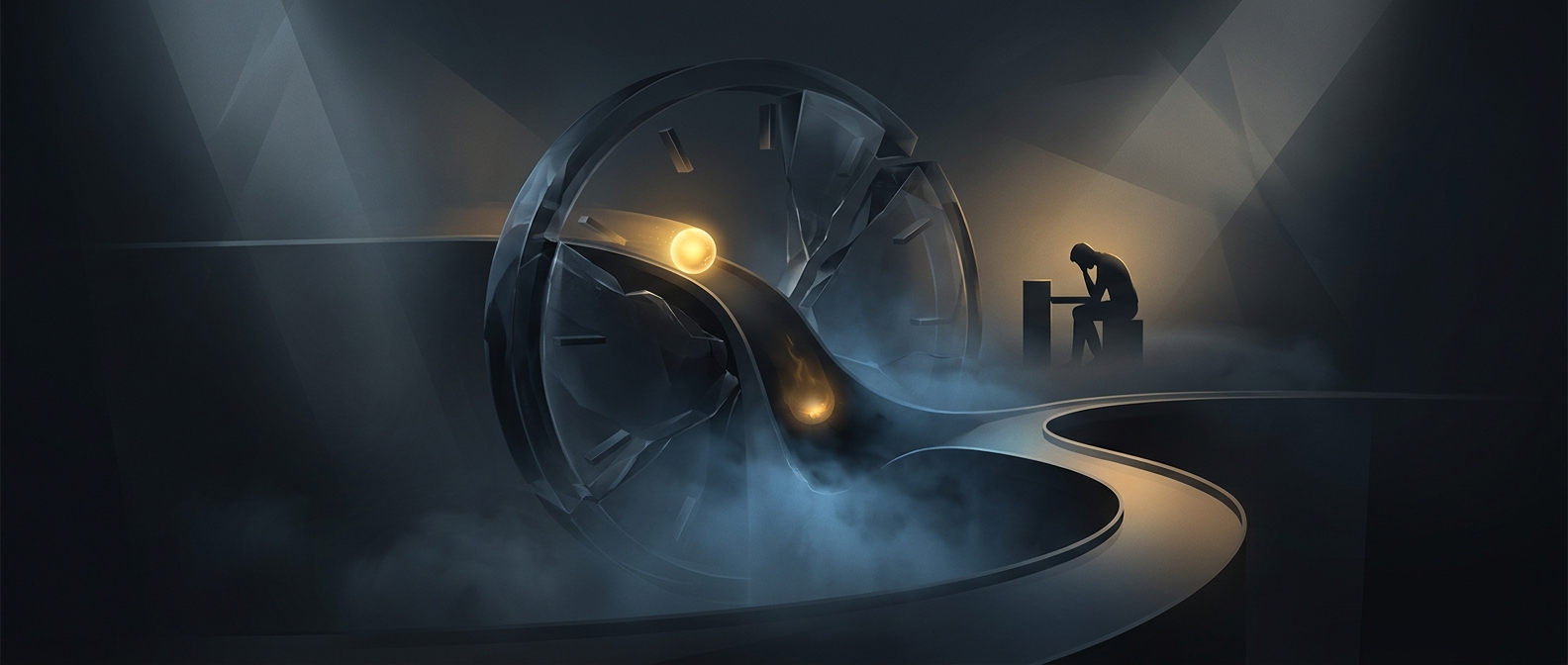
A notification does more than occupy the seconds it takes to glance at a screen. It redirects attention, and the brain must then recover the goal it had been pursuing: the sentence being drafted, the calculation in progress, or the point of an argument. If that goal was complex, returning may mean reconstructing several linked steps rather than simply picking up where you left off.
Psychologists often describe this lingering pull as attention residue. Even after a person switches back to the original task, part of the mind may still be tracking the message or wondering what comes next. The result can be a slower, less coherent return to work.
Why frequent switching makes focus harder
Each interruption invites a fresh decision: respond now, ignore it, or check one more thing. The novelty of a ping or new post can make it especially tempting to switch, while unfinished tasks remain mentally active. When these switches happen repeatedly, sustained work is broken into shorter stretches, leaving fewer uninterrupted moments to build an idea or hold several pieces of information in mind.
This is not the same as permanently losing the ability to concentrate. The practical problem is that attention has to be redirected and the original train of thought rebuilt again and again. A person may spend much of a work session returning to the task without getting far into it.
The cost depends on the task
A brief interruption may barely affect a simple action. It matters more when the work depends on a chain of reasoning, such as comparing evidence or composing a careful explanation. In those cases, losing the thread can cost more than the interruption itself because the person must recall not only what they were doing, but why each step followed the last.
That is why a stream of small digital prompts can feel disproportionately draining: the visible seconds are only part of the cost. The harder-to-see expense is repeatedly rebuilding the mental context that lets a complicated thought hold together.